LED vs. CFL vs. Incandescent: The Honest Comparison
Three bulb types still share shelf space at most hardware stores, and the differences between them are bigger than most people realize. This guide walks through incandescents, CFLs, and LEDs in plain…

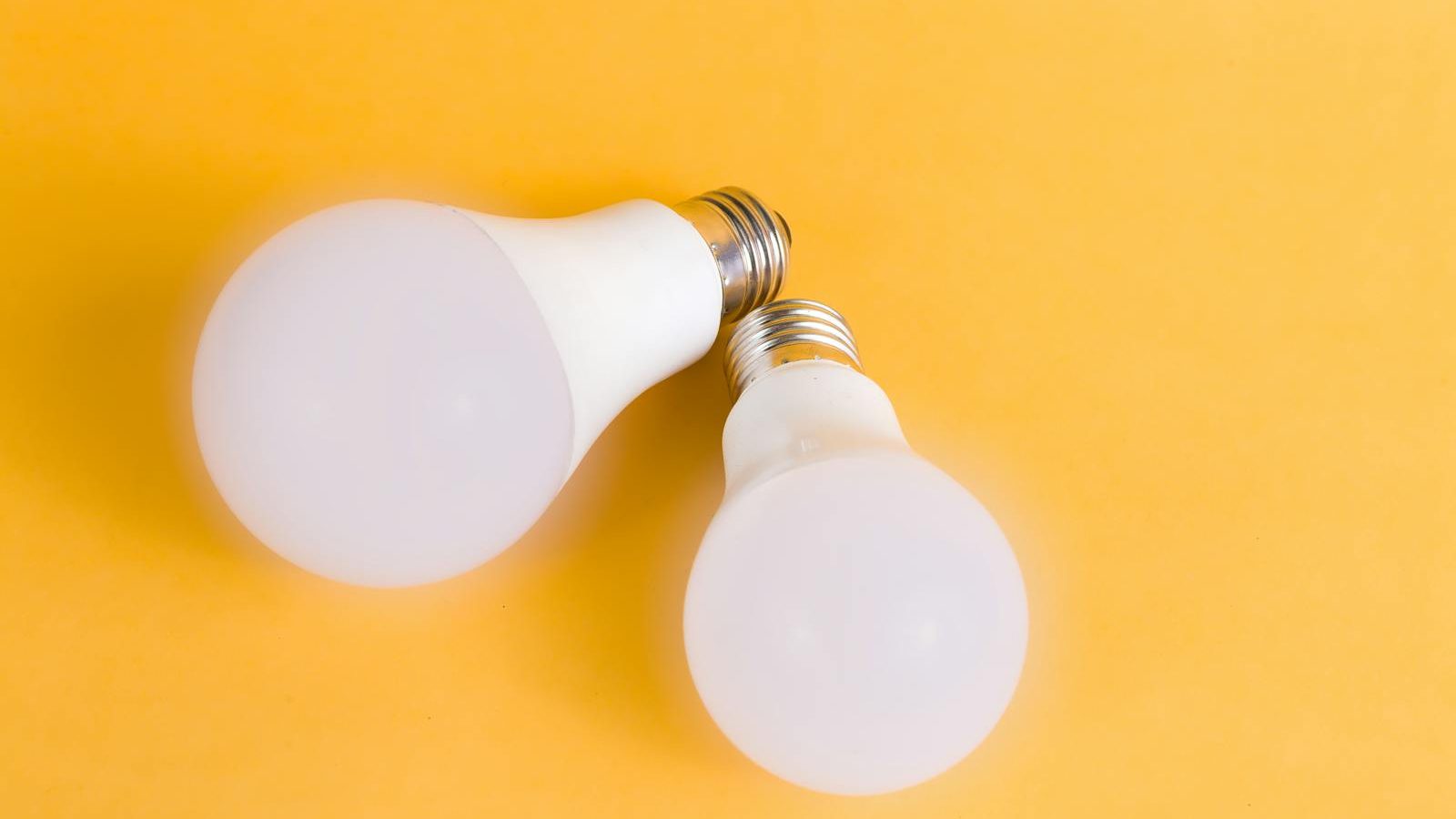
Three bulb types still share shelf space at most hardware stores, and the differences between them are bigger than most people realize. This guide walks through incandescents, CFLs, and LEDs in plain language, with a real math example and clear advice for picking the right bulb today. No hype, no jargon, just the trade-offs that actually matter once a bulb is in the socket.
Lighting is one of the easiest places to lower a home electricity bill, and it is also one of the most confusing aisles in any hardware store. Three technologies still sit on those shelves: the old incandescent bulb that warmed kitchens for a century, the spiral CFL that briefly took over in the 2000s, and the LED that now dominates almost every fixture. Each one has fans, critics, and a few stubborn myths attached to it.
This article walks through all three honestly. We will look at where each technology came from, what it actually does well, where it falls short, and what a year of running each one costs in real dollars. By the end, you should be able to stand in front of a bulb display and pick the right one for the room without second-guessing yourself.
A 30-second history of the household bulb
The incandescent bulb was patented in the late 1870s and reached mass adoption by the 1920s. For roughly eighty years, it had no serious household competitor. You bought a 60-watt bulb, you got a familiar warm glow, and you replaced it about once a year. The technology was simple: pass current through a tungsten filament until it glows white-hot inside an inert gas. About 90 percent of the energy left as heat, but few people questioned that until electricity prices started climbing.
Compact fluorescent lamps, or CFLs, arrived in homes during the 1990s and went mainstream by the mid-2000s. They were a shrunken version of the long fluorescent tubes already common in offices and garages. CFLs used roughly a quarter of the energy of incandescents for the same light output, which felt revolutionary at the time. Then the LED quietly caught up. By around 2014 the price of a residential LED dropped below 10 USD, and by 2020 it was often under 3 USD. The combination of low price, long life, and high efficiency pushed both incandescents and CFLs out of most rooms.
Incandescent: what we lost and what we didn’t
It is fair to start with what was genuinely good about the incandescent bulb, because it was not a bad product. It was just inefficient. The light it produced had a continuous color spectrum, which meant skin tones, food, and fabrics looked the way our eyes expected. The bulbs dimmed smoothly with any cheap dimmer switch. They turned on instantly at full brightness, with no warm-up. They were also cheap to buy, often under a dollar each.
The problem was everything else. A standard 60-watt incandescent produced about 800 lumens. That works out to roughly 13 lumens per watt, which is the lowest efficacy of any modern lighting technology. Lifespan was typically 1,000 hours, so a bulb used three hours a day lasted under a year. And the heat output was substantial. A room with six incandescents running was, in effect, also running a small space heater, which mattered less in winter and a lot more in summer when the air conditioner had to work harder.
What we did not lose, despite the headlines, is the warm aesthetic of incandescent light. Modern LEDs labeled 2700K mimic that glow closely, and the best ones do it without any of the green or yellow cast that early CFLs were known for. If you miss the look of an incandescent, you can have it back at one-eighth the energy cost.
CFL: the awkward middle child
The CFL was the bridge technology that taught a generation of consumers to think in lumens instead of watts. It also taught us a few lessons about what we would tolerate from a light bulb, mostly by failing to deliver them.
On paper, CFLs looked great. A 13- to 15-watt CFL replaced a 60-watt incandescent, using roughly 75 percent less energy for the same brightness. Lifespans were quoted at 8,000 to 10,000 hours, which is eight to ten times an incandescent. Prices fell from around 15 USD in the late 1990s to 2 to 4 USD by the mid-2010s.
In practice, three issues stuck to the technology. The first was warm-up time. Most CFLs took 30 seconds to 2 minutes to reach full brightness, which felt strange in places like closets and bathrooms where you wanted instant light. The second was color quality. Early CFLs had a flat, slightly greenish cast that made interiors feel like a waiting room. Later versions improved, but the reputation stuck. The third was mercury. Each CFL contained between 1 and 5 milligrams of mercury vapor, which is a small amount but not zero. Broken bulbs required a careful cleanup, and disposal was supposed to go through a recycling program rather than the trash, which most households ignored.
- Warm-up time: typically 30 seconds to 2 minutes to reach 80 percent brightness
- Mercury content: 1 to 5 mg per bulb, requiring careful disposal
- Dimming: only certain CFLs dim, and they often flicker or buzz
- Cold weather: outdoor CFLs underperform in winter, sometimes failing to start below freezing
- Lifespan reality: frequent on-off cycling shortened life dramatically, sometimes by half
For households that still have CFLs in less-used fixtures, there is no urgent need to rip them out. Run them until they fail, then swap for LEDs. If you do break one, ventilate the room for 10 minutes and clean up with damp paper towels rather than a vacuum.
LED: why it actually won
The LED bulb did what CFLs promised, but without the trade-offs. A modern 8- to 10-watt LED produces the same 800 lumens as a 60-watt incandescent or a 14-watt CFL. That is roughly 80 to 100 lumens per watt for residential bulbs, compared to about 60 lumens per watt for CFLs and 13 for incandescents. Commercial-grade LEDs reach 150 lumens per watt or higher, though residential bulbs rarely push that limit because the higher cost is not worth it for a kitchen ceiling.
Lifespan is where LEDs really pull ahead. A quality residential LED is rated for 15,000 to 25,000 hours, with premium ones reaching 50,000 hours. Used three hours a day, a 25,000-hour bulb lasts about 23 years. In practice, you are more likely to replace the fixture or move out of the house before the bulb dies.
The color quality issue that haunted CFLs has been solved. Look for a Color Rendering Index, or CRI, of 90 or above. Most budget LEDs sit at 80 to 82 CRI, which is acceptable for hallways and closets. Higher-CRI bulbs cost 1 to 3 USD more and are worth it in kitchens, bathrooms, and any room where you read or get dressed.
LEDs also dim properly, turn on instantly, work in cold weather, and contain no mercury. The only quirk worth knowing is that not every LED is dimmable. Check the package. If a fixture has a dimmer, buy a bulb labeled dimmable and check that the dimmer itself is rated for LEDs. Older dimmers were designed for incandescent loads and may flicker or buzz with LEDs.
A real-world math example
Numbers settle these debates faster than opinions. Imagine a kitchen with six bulbs, each running about four hours a day. That is 24 bulb-hours per day, or roughly 8,760 bulb-hours per year. Assume an electricity rate of 0.16 USD per kilowatt-hour, which is close to the US average in 2025.
- Incandescent (60 W): 8,760 hours times 60 W equals 525.6 kWh per year. At 0.16 USD per kWh, that is 84.10 USD in electricity. Add six bulb replacements per year at 1 USD each, and the total is roughly 90 USD per year.
- CFL (14 W): 8,760 hours times 14 W equals 122.6 kWh per year, or about 19.62 USD in electricity. Add one bulb replacement every two to three years, and the total averages 22 USD per year.
- LED (9 W): 8,760 hours times 9 W equals 78.8 kWh per year, or about 12.61 USD in electricity. LEDs in this scenario rarely need replacing, so the total is roughly 13 to 15 USD per year.
Over ten years, the spread becomes hard to ignore. The incandescent kitchen costs roughly 900 USD to run. The CFL kitchen costs around 220 USD. The LED kitchen costs around 140 USD, plus the one-time purchase of about 25 USD in bulbs. The same logic applies to every fixture in the house, which is why efficient appliances and bulbs tend to compound into noticeable annual savings.
How to choose between LEDs today
With incandescents and CFLs effectively retired for most rooms, the real decision is which LED to buy. Three labels do most of the work.
Color temperature is measured in Kelvin. 2700K is the warm yellow glow most people associate with home lighting. 3000K is slightly cooler, often called soft white. 4000K is neutral white, common in kitchens and bathrooms. 5000K to 6500K is daylight, useful for garages, workshops, and task lighting but cold for living rooms. Pick warm for relaxation spaces and cool for work surfaces.
Lumens, not watts, tell you how bright the bulb is. A 60-watt incandescent equivalent is about 800 lumens. A 75-watt equivalent is about 1,100 lumens. A 100-watt equivalent is about 1,600 lumens. The watt number on an LED package now refers to its energy use, which is roughly one-tenth the equivalent incandescent.
Dimmable and smart options matter only if you will use them. Dimmable LEDs cost a small premium and require a compatible dimmer. Smart bulbs add Wi-Fi or Bluetooth control and run 8 to 25 USD each. They are useful for porches, bedside lamps, and any fixture you control from your phone, but they are overkill for a basement ceiling.
One last note on context. Lighting is rarely the largest line on a household electricity bill. Heating, cooling, water heating, and laundry usually outrank it. Swapping bulbs is still worth doing because it is so cheap and so easy, but the bigger savings often hide in appliance habits that quietly run up your bill. Treat the bulb swap as a warm-up exercise. Once you see the math work for lighting, the same thinking applies to every other plug in the house.
Frequently asked questions
Should I throw out my working incandescent and CFL bulbs to switch to LEDs?
No, but plan the transition. For incandescents, swapping the most-used fixtures first usually pays back within the first year, so do those now and let the rarely used ones burn out naturally. For CFLs, the savings of swapping early are smaller, so running them until they fail is reasonable. When you do dispose of CFLs, use a recycling drop-off rather than household trash because of the small mercury content inside the glass.
Why do some LEDs flicker on my old dimmer switch?
Dimmers built for incandescent bulbs work by chopping the AC waveform, and LEDs do not always respond cleanly to that signal. The fix is either a new LED-rated dimmer, which usually costs 15 to 30 USD, or LED bulbs specifically labeled as compatible with legacy dimmers. Replace the dimmer if you have more than two flickering fixtures in the room, since the new switch will handle every bulb you put under it later.
Are LED bulbs safe to use in fully enclosed fixtures?
Most are, but check the package for an enclosed-fixture rating. Heat shortens LED life, and enclosed fixtures trap that heat near the bulb base where the electronics sit. A standard LED in a sealed glass dome may last 5,000 hours instead of 25,000. Enclosed-rated bulbs cost about a dollar more and handle the trapped heat without dramatic lifespan loss. The same applies to recessed cans without ventilation.
What color temperature should I use in different rooms?
Bedrooms, living rooms, and dining rooms work best at 2700K to 3000K for a relaxed feel. Kitchens, bathrooms, and home offices benefit from 3500K to 4000K for clearer task light. Garages, laundry rooms, and workshops can go up to 5000K for crisp visibility. Mixing temperatures within one room usually looks off, so pick a single Kelvin number per space and stick with it across all the fixtures.
How can I tell if a cheap LED is actually any good?
Look at three numbers on the package. Lifespan should be at least 15,000 hours for an everyday bulb. CRI should be 90 or higher for spaces where color matters, and 80 is acceptable elsewhere. Warranty should be at least three years for a name-brand bulb. If the package is missing any of those, the bulb is likely cutting corners on the LED chips or the driver electronics, which is where early failures usually start.
Do smart LED bulbs use a lot of standby power?
A small but measurable amount. Most Wi-Fi smart bulbs draw 0.3 to 0.5 watts in standby, which works out to about 3 to 5 kWh per bulb per year. For a household with five smart bulbs, that is roughly 25 kWh annually, or about 4 USD at average rates. Worth knowing, but rarely a reason to avoid them in fixtures where the smart features actually get used regularly.
Read next in Home Energy Savings
If this guide was useful, these two neighbouring pieces will fill in the surrounding context:
Sources and further reading
For the underlying data behind the numbers in this guide, and for the standards, incentive programs, and safety rules referenced throughout, see:
Related guides
Step by Step: Tuning Your Thermostat for Savings
Your thermostat quietly controls one of the biggest slices of your energy bill, and most of us never really tune it. In this tutorial I walk through the exact steps I use…
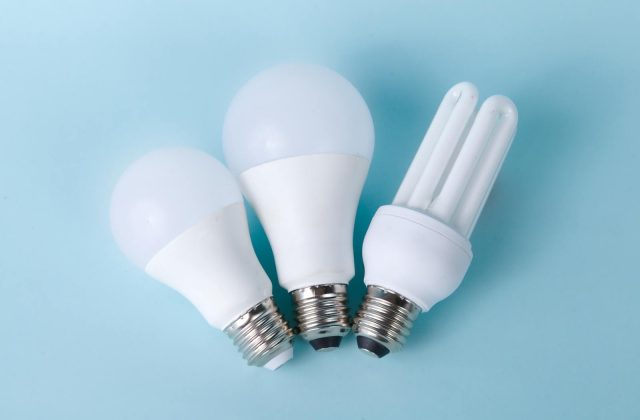
Scenario: Cutting Bills in a Rental Apartment
Renters often feel stuck. You cannot change the windows, the appliances, or the insulation, so the usual advice about home energy savings reads like it was written for someone else. This article…
Dehumidifiers and Your Electric Bill in a Humid Summer
Last August, my sister in Charleston texted me a photo of her thermostat set to 68 degrees with a caption that read, "why does this still feel like a swamp?" Her AC…