Common Heat Pump Myths That Cost Homeowners Real Money
A friend called me last February in a small panic. Her HVAC contractor had just told her a heat pump "quits working" below 30°F and she should cancel the install she had…

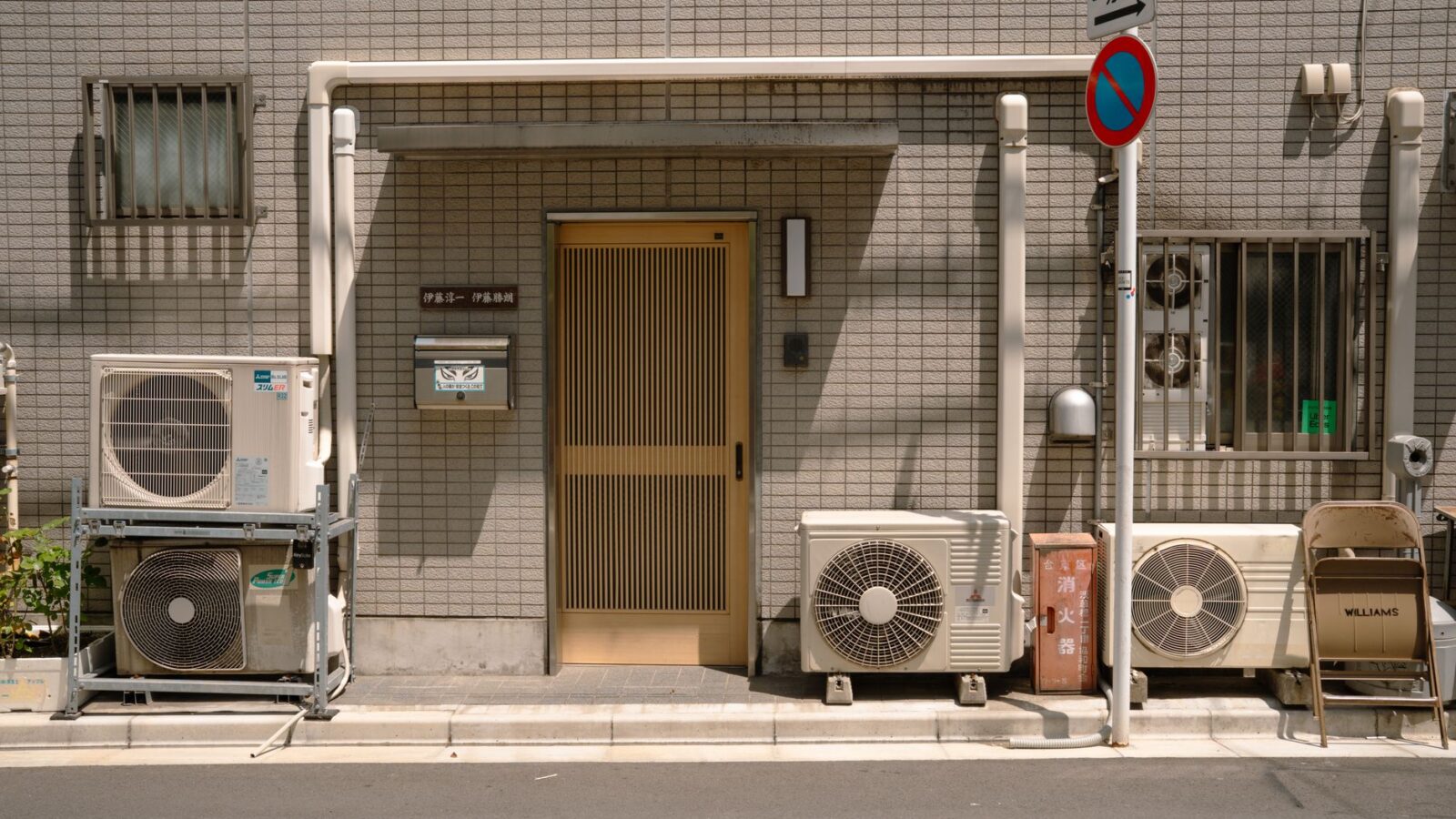
A friend called me last February in a small panic. Her HVAC contractor had just told her a heat pump “quits working” below 30°F and she should cancel the install she had scheduled for spring. She lives in Bend, where January mornings sometimes drop into the low teens, and the quote she was ready to walk away from was $14,200 after rebates. I asked her to send me the model number before she called anyone. It was a Mitsubishi MXZ-SM series, an actual cold-climate unit rated for full capacity down to 5°F. The contractor was wrong, and that one piece of misinformation almost cost her a working system plus the incentive money attached to it.
Myth 1: Heat pumps stop working when it gets cold
This is the myth that does the most damage, because it stops people from even getting a proper quote. The truth is more specific than the myth. A standard air-source heat pump built in 2005 really did lose most of its capacity around 25°F. A cold-climate heat pump built in 2024, using variable-speed inverter compressors and enhanced vapor injection, holds rated capacity down to about 5°F and continues producing usable heat well below zero.
The two model families I recommend most in the Pacific Northwest are Mitsubishi Hyper Heat (the H2i platform) and Fujitsu XLTH. Both are third-party tested to deliver 100% of nameplate heating capacity at 5°F and roughly 75% at minus 13°F. That is not marketing copy. You can look up individual model numbers on the NEEP Cold Climate Air Source Heat Pump Database, which lists tested performance at 47°F, 17°F, and 5°F for every certified unit.
What this myth costs: turning down a system that would have handled your Portland or Salem winter without breaking a sweat, and instead paying to replace a 20-year-old gas furnace with another 15 years of fuel bills.
Myth 2: You always need electric resistance backup
Contractors love to add 10 kW of electric strip heat “just in case.” Sometimes it makes sense. Often it does not, and it changes the sizing math in a way that quietly raises your electric bill for years.
Here is the reality. If your 99% design temperature (the coldest hour you should expect in a typical year) is above the heat pump’s low-temperature capacity, you do not need supplemental heat as a primary source. My house sits at a design temperature around 23°F. My 3-ton unit puts out more than 30,000 BTU/hr at that temperature. The strip heat kit in the air handler exists as an emergency defrost assist, not as a nightly workhorse.
The problem: many installers still set the outdoor “balance point” at 35°F or 40°F, which fires strip heat every cold morning. A 10 kW element pulling for four hours adds about 40 kWh to your daily use. At Portland’s roughly 14 cents per kWh residential rate, that is around $5.60 a day, or about $170 over a cold month, for no additional comfort.
How to check your setup after install
- Ask your installer for the balance point setting on your thermostat or control board.
- Confirm it is set at or below your design temperature, not above it.
- Ask them to demonstrate emergency-heat lockout so strip heat cannot cycle above, say, 30°F.
- Check your utility interval data during the first cold week. A sudden spike outside the typical daily curve usually means strip heat is running when it should not.
Myth 3: Heat pumps are always more expensive
Installed cost, yes, often higher upfront than a like-for-like gas furnace swap. Total cost of ownership over 10 to 15 years is where the story changes, and the 2022 Inflation Reduction Act incentives shifted the math again.
A worked example from a project I helped scope last spring, using published rates and public rebates only:
| Scenario | Upfront installed | Annual heating + cooling | 10-year total |
|---|---|---|---|
| New 96% AFUE gas furnace plus 16 SEER AC | $12,500 | $1,850 | $31,000 |
| Cold-climate ducted heat pump (before rebates) | $16,800 | $1,150 | $28,300 |
| Same heat pump after 25C credit and local rebate | $12,300 | $1,150 | $23,800 |
The 25C tax credit gives you 30% of the project cost up to $2,000 for a qualifying heat pump. Utility rebates in Oregon through Energy Trust of Oregon add another $1,000 to $2,500 depending on equipment tier and household income. Federal eligibility details are on the ENERGY STAR federal tax credits page.
Myth 4: You must replace your ductwork
This one gets expensive fast when believed. A rip-and-replace duct job in an 1,800 sq ft house runs $6,000 to $14,000, and most homes do not need it.
What your ducts actually need for a heat pump: sealed joints, correct static pressure, and enough return air. That is often achieved with $400 to $1,200 in mastic sealing plus one added return, not a full replacement. My own 1920s craftsman has original galvanized trunk lines from a converted gravity furnace. We paid $850 to seal them and add a jumper duct between two bedrooms. Return air improved, static pressure dropped from 0.9 to 0.6 inches WC, and the 2.5-ton heat pump we installed moves air quietly.
If your ducts are genuinely undersized, a competent HVAC designer will run a Manual D calculation before quoting anything. If they skip that step and just say “your ducts are too small,” get a second opinion. The U.S. Department of Energy guide to heat pump systems is a useful sanity check on what a proper design conversation should include.
What goes wrong when these myths get followed
I see the same pattern repeat in homes retrofitted based on bad advice.
- Oversized unit chosen because the installer assumed capacity loss that does not happen with modern equipment. It short-cycles, humidity control suffers, and comfort drops.
- Aggressive strip-heat lockouts left at factory defaults, quietly doubling winter kWh use.
- Backup gas furnace kept “just in case,” then defaulting to gas at 40°F because the hybrid control was set wrong. Homeowner sees no gas bill savings and blames the heat pump.
- A brand new duct system installed for $11,000 when $900 of sealing and one balancing damper would have fixed the actual airflow problem.
- Missed rebate windows, because the installer was not pre-registered with the utility program before work started.
A short checklist before you sign a contract
- Get the specific model number and confirm it appears on the NEEP database with tested capacity at 5°F.
- Ask for a written Manual J load calculation, not a rule-of-thumb tonnage.
- Ask what the balance point will be set to and why.
- Ask if strip heat is required by code in your climate zone or being added optionally.
- Compare total 10-year cost after incentives, not just sticker price.
- Confirm the installer is registered for your utility rebate program before any work begins.
These myths persist because they were true in 1995 and because some contractors have not updated their catalog since. The equipment sold today is genuinely different, and believing the old story can cost real money in three places at once: a system that never gets installed, a system installed wrong, or expensive extra work you did not actually need.
Frequently asked questions
What outdoor temperature is too cold for a modern heat pump?
Cold-climate models like Mitsubishi Hyper Heat and Fujitsu XLTH are rated to produce useful heat down to around minus 13°F, and some units keep running to minus 22°F. In most of the lower 48 states, including the entire Pacific Northwest, ambient temperatures almost never drop that low. The real question is not “will it work” but “will it work at rated capacity when you need it,” which the NEEP database answers for each specific model number.
Should I keep my gas furnace as backup after installing a heat pump?
Sometimes, if your electric rates are high and gas is cheap, a dual-fuel setup makes sense. But the switchover point matters more than most people realize. If it is set at 40°F, you will burn gas most of the winter and see almost no savings. Ask your installer to set the switchover based on cost parity for your specific rates, which is usually somewhere between 20°F and 30°F for most Oregon homes.
How long does a heat pump actually last?
Well-maintained ducted heat pumps last 15 to 20 years, roughly the same as a central AC system. Mini-split heads often last a bit longer because they run at lower speeds most of the time. The biggest killers are undersized returns, dirty filters left in for a year at a stretch, and installers who never commissioned the refrigerant charge correctly at start-up.
Do I need a heat pump water heater too, or can I keep my gas one?
They are separate decisions. A heat pump water heater is one of the most efficient upgrades available and has its own IRA rebate, but it is not required to make a heating-and-cooling heat pump work well. If your gas water heater is under seven years old, I usually suggest waiting until it fails naturally before swapping, unless you are already doing an electrical panel upgrade.
Will a heat pump make my house feel cold and drafty like people say?
No, but the supply air is cooler than what a gas furnace produces (about 95°F to 105°F versus 120°F to 140°F for gas). If your ducts were designed for gas-furnace-hot air blasting a room warm quickly, you may notice longer, gentler cycles. Most people describe the result as more even and less startling after a week of adjustment, especially in shoulder-season weather.
Related guides

Five Mistakes That Shorten a Home Battery’s Life
A home battery should last 10 to 15 years, but the warranty assumes you treat it the way the engineers intended. Most batteries that die early are not defective. They were used…
Five Marketing Claims That Look Honest, But Are Not
Home energy marketing has its own dialect. The phrases sound technical, the numbers sound precise, and the brochures look clean. Most of the time, the claims are not exactly lies. They are…
Scenario: Buying a Portable Power Station Without Doing the Math
Nadia wanted peace of mind before hurricane season. She watched a few videos, picked a 1500Wh portable power station that looked sturdy, and felt prepared. Twelve hours into her first real outage,…