Dehumidifiers and Your Electric Bill in a Humid Summer
Last August, my sister in Charleston texted me a photo of her thermostat set to 68 degrees with a caption that read, "why does this still feel like a swamp?" Her AC…

Last August, my sister in Charleston texted me a photo of her thermostat set to 68 degrees with a caption that read, “why does this still feel like a swamp?” Her AC was running almost constantly, her bill had jumped about 40 percent from June, and the bathroom towels never really dried. I asked her one question back: what is your indoor humidity right now? She checked the little hygrometer on her bookshelf and answered 68 percent. That number, not the temperature, was doing most of the damage.
Humid air holds heat differently than dry air, and it makes your body shed heat more slowly through sweat. So the AC keeps cycling, the compressor keeps burning kilowatt-hours, and the house still feels sticky. A properly sized dehumidifier can flip that equation. It uses electricity, yes, but it can meaningfully reduce what the AC has to do, and the total bill can drop.
Why removing moisture can cut your total electric bill
An air conditioner is already a dehumidifier in a sense. As warm air passes over the cold evaporator coil, water condenses out and drains away. The problem is that AC only pulls moisture when the compressor is actively running, and modern systems are often oversized for cooling, so they short-cycle and never get around to serious moisture removal.
Here in Portland we do not think of ourselves as a humid climate, but July and August afternoons regularly hit 60 to 70 percent relative humidity indoors in older houses without central air, and my 1920s craftsman is Exhibit A. Downstairs in the finished basement it can sit at 72 percent even when the outdoor dew point is moderate.
The comfort research from the U.S. Department of Energy on humidity control puts the healthy indoor target at 30 to 50 percent. Once you get a room down into that band, most people feel comfortable at 76 or 77 degrees instead of 72. Every degree you raise the thermostat in cooling season saves roughly 3 percent on cooling energy, so raising it four degrees while running a dehumidifier can offset a lot of the dehumidifier’s own draw.
What a dehumidifier actually costs to run
A modern ENERGY STAR certified 35-pint portable draws around 300 to 480 watts while the compressor is on, and cycles off once it hits its humidistat setpoint. A 50-pint unit runs closer to 500 to 700 watts. At the current U.S. residential average of about 16 cents per kWh reported by the EIA in its Electric Power Monthly, that works out to roughly 6 to 11 cents per hour of actual runtime.
Nobody runs one 24 hours a day at full tilt. A typical basement duty cycle in July is 6 to 10 hours a day, so budget somewhere between $12 and $30 per month for a well-sized unit in a single problem room. Compare that to what a central AC compressor pulls, often 3,000 to 5,000 watts, and the arithmetic starts to make sense.
Sizing: pint capacity, square footage, and how wet the room actually is
The pint number on the box is how many pints of water the unit can remove from the air in 24 hours under a standardized test condition. Since the 2019 DOE test procedure update, that condition is a colder 65 degree ambient, which is why the same physical machine that used to be labeled 70 pints is now labeled 50 pints. It is the same hardware.
Here is the sizing table I actually use when I am helping a neighbor pick one:
| Room size | Moderately damp (50-60% RH) | Very damp / musty smell | Wet (visible moisture on walls) |
|---|---|---|---|
| 500 sq ft | 20 pint | 25-30 pint | 35 pint |
| 1,000 sq ft | 25-30 pint | 35 pint | 45-50 pint |
| 1,500 sq ft | 35 pint | 45-50 pint | 50+ pint |
| 2,500 sq ft | 45-50 pint | 50 pint (whole-home) | Whole-home ducted |
Two mistakes I see over and over. First, undersizing to save $60 at the store, then running a struggling unit at 100 percent duty cycle so it dies in two summers. Second, buying a 50-pint monster for a 250 square foot bedroom, where it will short-cycle and never actually reach the humidistat setpoint accurately.
Portable vs whole-home ducted units
Portable units from Frigidaire, GE, Midea, and hOmeLabs typically cost $180 to $320 and last 6 to 9 years if you clean the coil annually. A whole-home ducted unit like an Aprilaire 1830 or Santa Fe Ultra costs $1,500 to $2,800 plus installation, ties into your existing ductwork, and handles up to about 2,800 square feet from one place.
I recommend whole-home only if you already have forced-air ducts, humidity is a problem across the entire house, and you plan to stay in the home at least 7 years. Otherwise two well-placed portables at $250 each solve the problem for a decade at a quarter of the cost.
A worked example from my own basement
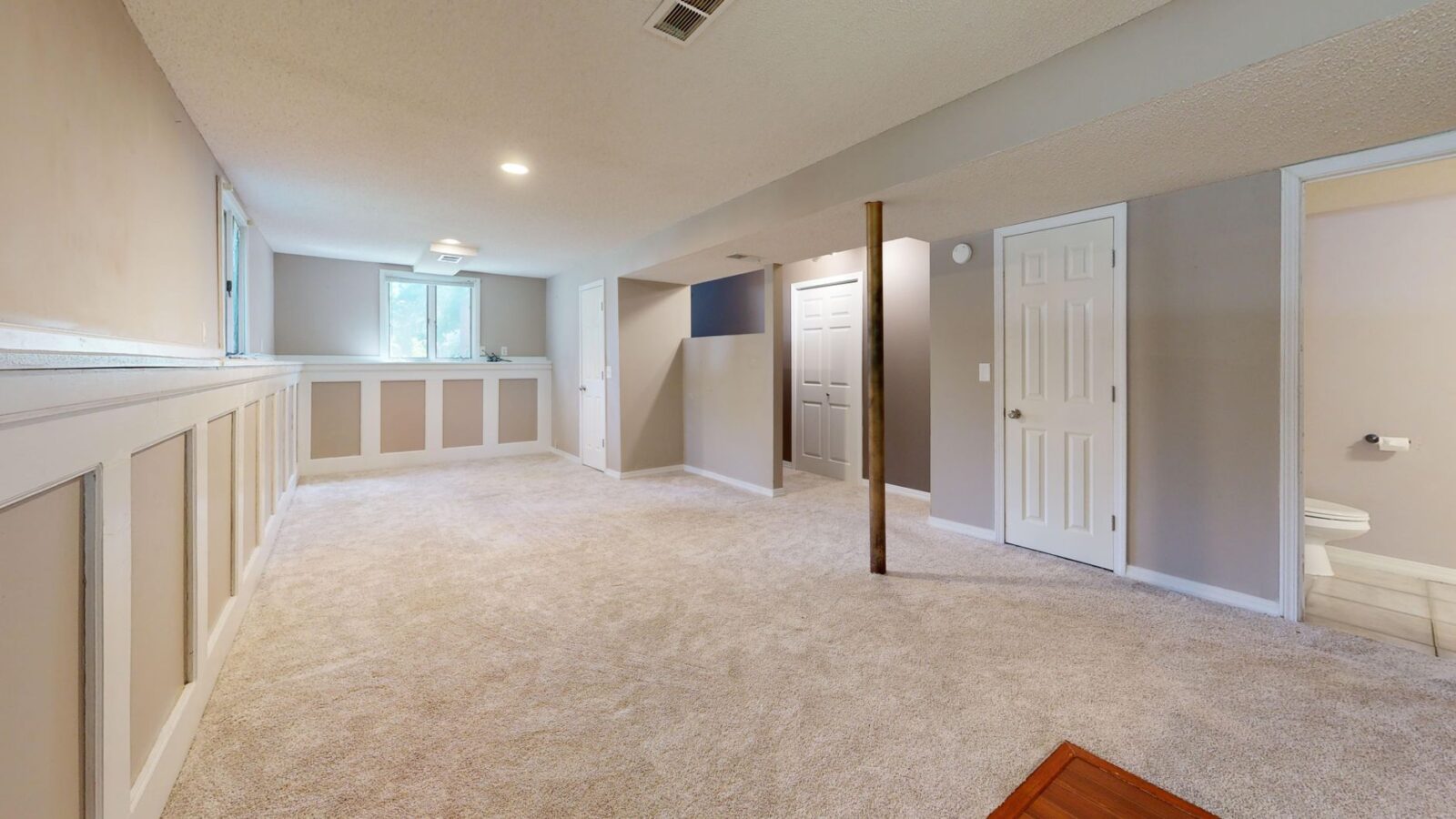
My finished basement is about 700 square feet, sat at 71 percent RH on July afternoons, and smelled like a used library. I bought a 35-pint Frigidaire for $229, set the humidistat to 50 percent, and plugged in a Kill A Watt meter for a month.
Results over 31 days: 168 hours of compressor runtime, 62 kWh consumed, about $9.90 in electricity at our local rate. The upstairs thermostat went from 72 degrees (never comfortable) to 76 degrees (fine in a t-shirt), and my July electric bill dropped $34 compared to the previous July, weather-adjusted using degree-day data. Net savings: about $24 that month, plus my books stopped warping.
When a dehumidifier is the wrong answer
Sometimes the humidity is a symptom, not the disease. Running a dehumidifier against an active water problem is like putting a bucket under a leaking roof forever instead of fixing the roof.
- Standing water, efflorescence (white powder) on foundation walls, or musty smell that returns within hours of drying: get a foundation drainage assessment before buying anything.
- Missing or torn vapor barrier in a crawl space: the EPA’s mold prevention guidance puts encapsulation ahead of dehumidification for a reason.
- Bathroom fan that vents into the attic instead of outside, or a clothes dryer with a disconnected vent hose. Fix the vent for $40 instead of running a machine that costs $20 a month.
- New construction drying out in its first year: that moisture load is finite. Ventilate instead.
- Winter humidity above 50 percent: usually caused by a combustion appliance venting indoors, which is a carbon monoxide risk. Get a technician, not a dehumidifier.
Setup steps that actually matter
- Buy a $12 hygrometer first and log readings morning, afternoon, and night for a week before you buy anything else. You need to know your real numbers.
- Pick the room with the highest sustained RH. Do not put the unit in the room that feels sticky if a different room is actually wetter.
- Set the humidistat to 50 percent for comfort, or 45 percent if you have visible condensation. Going below 40 percent wastes energy and dries out wood floors.
- Route the drain hose to a floor drain or condensate pump. Emptying a bucket twice a day is how people give up on dehumidifiers.
- Once the room stabilizes, raise your AC setpoint two to four degrees and see if you still feel comfortable. This is where the bill savings actually appear.
- Clean the intake filter monthly and vacuum the coil once a season. A clogged coil can double the runtime for the same water removal.
Humid air is expensive air. Once I stopped trying to freeze my house into comfort and started pulling the water out first, my summer bills stopped shocking me, and the greyhound stopped sighing dramatically on the tile floor. That last part might be the best result.
Frequently asked questions
Should I run my dehumidifier and AC at the same time?
Yes, in a humid climate that is usually the right move. Let the dehumidifier hold the room at 50 percent RH and raise the AC setpoint by 2 to 4 degrees. The combined electricity draw is typically lower than running the AC alone at a low temperature, because the compressor cycles less often and each cycle does less work.
How low should I set the humidistat?
Set it to 50 percent for general comfort, or 45 percent if you have a mold-prone basement or visible condensation on windows. Going below 40 percent starts to dry out hardwood floors, wood trim, and musical instruments, and it wastes electricity because the unit runs longer for diminishing comfort returns.
Do I need to empty the bucket every day?
Only if you have not connected a drain hose. Every modern portable has a threaded outlet on the back for a standard garden hose that can gravity-drain to a floor drain, laundry sink, or condensate pump. Set that up on day one, otherwise you will eventually forget, the bucket will fill, the unit will shut off, and the room will spike back to 70 percent.
Are desiccant dehumidifiers worth the extra money?
For most homes, no. Desiccant units use more electricity per pint removed at typical basement temperatures (65 to 80 degrees) than a compressor unit. They earn their keep only in cold spaces below about 60 degrees, like an unheated garage or a cool crawl space in winter, where compressor models struggle to work efficiently.
How long should a good dehumidifier last?
A quality portable that gets an annual coil cleaning and a clean filter should give you 6 to 9 years of service. Units that die at year three are almost always undersized ones that ran at 100 percent duty cycle every summer. Sizing up one bracket from what the store suggests is usually cheaper over the life of the machine.
Related guides

Step by Step: Doing Your First Home Energy Audit
A home energy audit sounds like a big project, but it is really just a careful afternoon of looking, listening, and writing things down. By the end of this tutorial you will…

Energy-Efficient Appliances Explained Without the Jargon
Shopping for a new fridge or washer can feel like decoding a foreign language, with stickers, stars, and acronyms competing for your attention. This guide walks through what efficiency labels actually mean,…

A Realistic Budget for an Energy-Friendly Home Upgrade
People often ask me what an "energy upgrade" really costs, and the honest answer is that it depends on how much you want to do this year versus over the next five.…