Five Sustainable Lifestyle Myths Worth Letting Go
Sustainable living is full of well-meaning advice that does not quite hold up under a second look. Some of it was true a decade ago, some was never true, and some has…

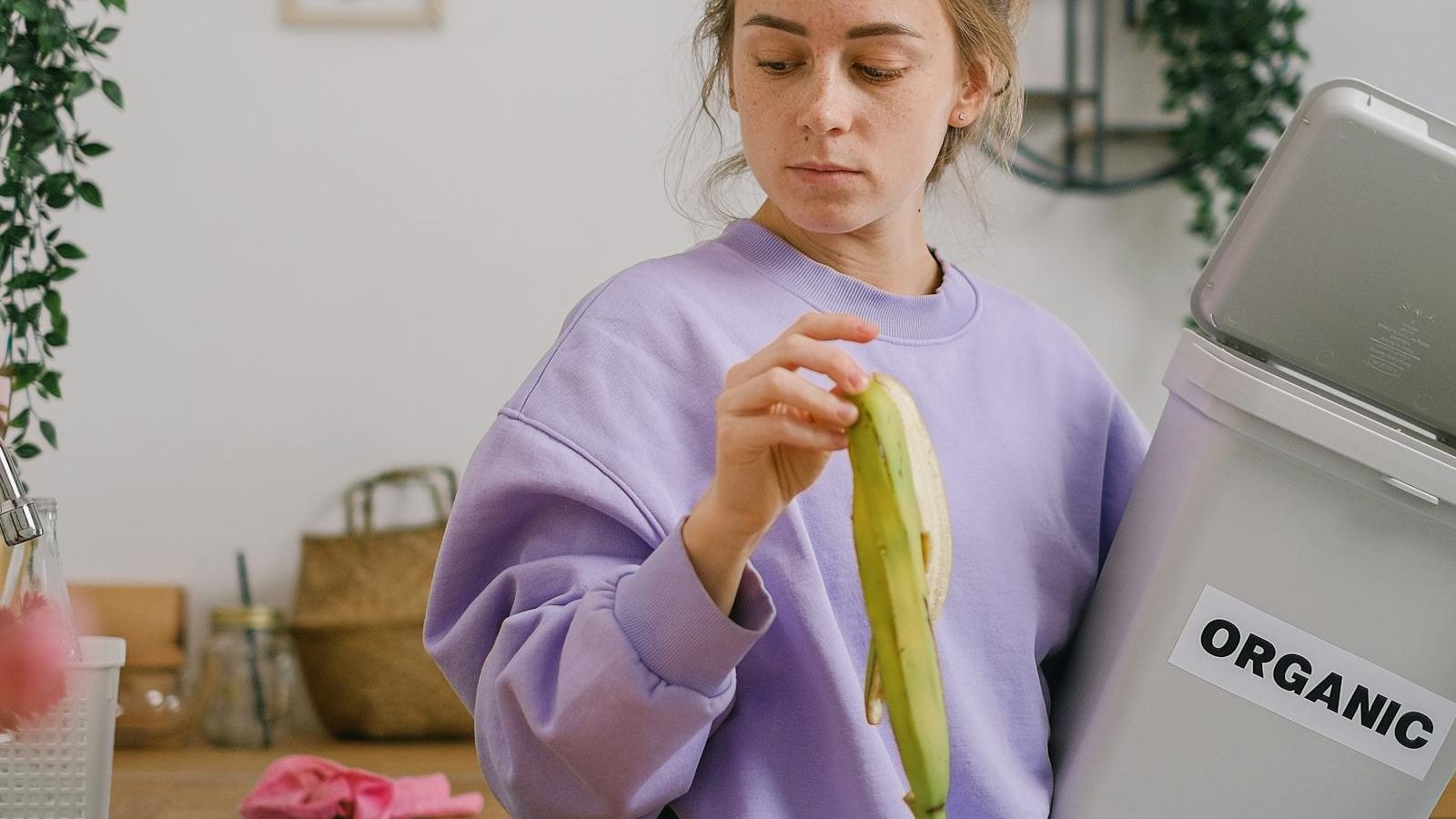
Sustainable living is full of well-meaning advice that does not quite hold up under a second look. Some of it was true a decade ago, some was never true, and some has a kernel of truth wrapped in a much bigger overstatement. Letting go of a few of these myths can free up energy for the choices that actually move the needle, without the guilt.
If you have spent any time reading sustainability tips online, you have probably collected a quiet shelf of rules that no longer feel right when you actually try to live by them. The cloth bag that you forget to wash. The bamboo gadget that snapped after two months. The vague guilt about not being vegan, or not composting, or not driving an electric car yet. None of that means you are doing it wrong. It usually means the advice you absorbed was simplified to the point of being misleading.
The five myths below are not meant to talk you out of caring. They are meant to give you a more accurate map. Each one started somewhere reasonable, then got flattened by repetition until the nuance fell off. Knowing where they came from, what the more accurate picture looks like, and what to do instead will help you spend your effort where it actually counts, and stop spending it where it does not.
Myth #1: Every reusable beats every disposable, every time
The reusable-versus-disposable comparison is one of the most repeated rules in sustainable living, and it gets stated as if it were a law of physics. Bring your own bag, your own cup, your own bottle, and you are automatically doing better than someone who used the paper or plastic version. The instinct is good, but the math is more interesting than the rule suggests.
Where the myth comes from is the genuinely large waste stream produced by single-use packaging. Plastic bags and disposable cups are visible, they pile up in landfills, and they often end up in waterways. Reusables feel like the obvious answer because they swap one item used many times for many items used once. Most of the early sustainability messaging in the 1990s and 2000s leaned hard on that intuition.
The more accurate picture is that reusables only beat disposables after they cross a break-even point in number of uses. The break-even depends heavily on what the reusable is made of and how it is washed. A few rough ranges from life-cycle assessments, assuming average manufacturing footprints and typical washing:
- Cotton tote bag: roughly 50 to 150 uses to beat a single-use plastic bag on climate impact, more if it is organic cotton
- Stainless steel water bottle: about 10 to 25 uses to beat a single-use plastic bottle, depending on bottle weight and shipping distance
- Ceramic mug at home: usually 20 to 100 uses to beat a paper cup, depending on whether it is hot-washed in a dishwasher or rinsed by hand
- Reusable produce bag in mesh: typically 20 to 40 uses to beat a thin plastic produce bag
What to do instead is simpler than tracking use counts. Pick reusables you will actually use for years, not the cute one you will lose in a month. Keep them where you need them, like a bottle by the door or a tote in the car. And if you forget and grab a single-use version once in a while, that is not a moral failure, it is just one use closer to break-even on the reusable you already own.
Myth #2: Buying eco products is the answer
The shelves are full of products that promise to fix your footprint if you just swap them in. Bamboo toothbrushes, compostable phone cases, plant-based dish soap in a new bottle, a slightly different laundry detergent in cardboard. The implication is that sustainable living is mostly a shopping problem, and the solution is to buy the right version of everything you already buy.
Where the myth comes from is a real shift in the consumer market over the last fifteen years. Brands noticed that people wanted to feel better about their purchases, and an entire category of green-labeled products grew to meet that demand. Some of those products genuinely have lower impacts than the conventional version. Many of them have impacts that are very close, or sometimes higher once you account for shipping a heavier glass bottle or a less efficient manufacturing process.
The more accurate picture is that the largest part of any household’s footprint is not which brand of soap they buy. It is the total volume of stuff that comes through the door, plus a few high-impact categories like home heating, transportation, and food. A standard finding in household carbon studies is that the top three to five categories usually account for 70 to 85 percent of a typical footprint, and the entire universe of “green products” sits inside the remaining slice. Swapping brands inside that slice is rarely the move with the largest effect.
What to do instead is to shift attention upstream. Before buying the eco version of something, ask whether you need a new one at all. Repair, borrow, or buy used when it makes sense. When you do buy new, prioritize durability and repairability over the marketing label. A regular toothbrush you use for three months is not the planet’s main problem, and a closet full of green-labeled gadgets is not the solution.
Myth #3: Small actions do not matter, only policy does
This one comes from the opposite direction as the first two, and it has been gaining ground over the last few years. The argument goes that household choices are statistically negligible against industrial emissions, so anything short of voting and protest is a distraction. People who internalize this myth often stop caring about their daily habits entirely, which feels like clarity but tends to slide into disengagement.
Where the myth comes from is a real and important correction. For years, the dominant message in sustainability was personal responsibility, sometimes pushed by industries that benefitted from keeping the focus on consumers. The carbon footprint concept itself was popularized in a campaign by a major oil company in the mid-2000s. Pushing back on that framing is fair. Industrial and policy choices do dwarf any single household.
The more accurate picture is that the personal-versus-policy split is a false choice. Household decisions and policy decisions feed each other in both directions. Demand for electric vehicles, heat pumps, plant-rich diets, and efficient appliances shapes which products manufacturers invest in and which policies become politically possible. People who change their own habits also tend to talk about those changes, vote on related issues, and influence the few people around them, which is where most behavior change actually spreads.
What to do instead is to hold both at once without letting either cancel the other. Care about your routine because it makes your immediate footprint smaller and signals real demand. Care about policy because it shapes the choices available to millions of other households. Our guide on building an eco-friendly daily routine walks through the kind of low-friction habits that compound over years without requiring you to become a different person.
Myth #4: You have to give up comfort to live sustainably
The mental image many people carry of a sustainable life is a slightly uncomfortable one. Cold showers, hand-washing clothes, sweating through summer without air conditioning, eating bland food, never traveling. That picture keeps a lot of people from trying anything at all, because they assume the entry fee is suffering. It is one of the most quietly damaging myths on this list.
Where the myth comes from is partly older environmental writing, which often framed sustainability as a return to a simpler and more austere way of life. Some of that came from genuine philosophy, some from the technology of the time. Forty years ago, the energy-efficient version of a household genuinely was less comfortable. Insulation was thinner, heat pumps were rare, LED lighting did not exist, and induction stoves were expensive curiosities. Today, most of those tradeoffs have flipped.
The more accurate picture is that the modern efficient home is often more comfortable than the inefficient one. Better insulation means more even temperatures and quieter rooms. A heat pump delivers both heating and cooling from one quiet outdoor unit, often with better air quality than a forced-air furnace. Induction stoves heat faster and waste less heat into the kitchen. LED lighting comes in dozens of color temperatures, so you can match the warm glow of an old incandescent without the energy bill. Even a well-insulated electric car tends to be quieter and smoother than the gasoline version it replaced.
What to do instead is to drop the assumption of sacrifice and start asking which upgrades genuinely improve daily life. A few examples worth knowing:
- Sealing air leaks around windows and doors typically improves comfort and lowers heating costs by 5 to 15 percent
- A modern heat pump runs at about 200 to 400 percent efficiency, meaning it delivers three to four units of heat per unit of electricity, which is hard to beat for both comfort and cost
- Smart thermostats can pre-warm or pre-cool the house on a schedule, so you arrive to a comfortable room without paying to maintain it all day
- LED bulbs in warm color temperatures match the visual feel of incandescent bulbs while using about a tenth of the energy
If you want a longer look at the comfort and cost differences between very different home setups, our piece on minimalist vs techy homes the energy comparison walks through where each approach actually wins and where the marketing oversells.
Myth #5: Second-hand is always greener
Buying used has become a near-default piece of sustainability advice, and for good reason. Reusing existing items avoids the manufacturing footprint of new ones, which is often the largest part of a product’s life cycle. The trouble is that the rule gets applied too broadly, and in a few categories the second-hand choice is genuinely worse than the new one.
Where the myth comes from is the fashion and furniture industries, where the rule largely holds. A used wool sweater or a used wooden dresser carries close to zero new manufacturing impact, lasts for decades, and avoids a disposal stream that would otherwise grow. The case for thrift, vintage, and resale platforms in those categories is strong, and the math usually checks out even after accounting for transport.
The more accurate picture is that second-hand is excellent for some categories and questionable for others. The categories where used almost always wins include clothing, furniture, books, tools, kitchenware, and most home goods. The categories where it gets complicated include large appliances and vehicles, where an inefficient older model can use enough extra energy over its remaining life to wipe out any manufacturing savings.
A few rough rules of thumb to keep in mind, assuming typical electricity rates and average use:
- A refrigerator from before about 2005 often uses two to three times the electricity of a current Energy Star model, which can outweigh the manufacturing footprint of buying new within five to seven years
- An older clothes dryer without moisture sensing can use 20 to 40 percent more energy per load than a recent model
- A used gasoline car can be the better climate choice over a new gasoline car, but a new or used electric car usually beats either, especially in regions with a cleaner electricity grid
- Used electronics like laptops and phones are almost always greener than new, because the manufacturing footprint dwarfs the use-phase energy
What to do instead is to apply the second-hand rule by category, not as a universal command. For most stuff, used is the right call and the savings are real. For the few big-ticket items that consume meaningful energy every day, do the math, or at least pause to check the energy label before committing. The same instinct that makes you avoid buying a brand-new sweater should also nudge you to avoid inheriting a power-hungry refrigerator just because it was free. Our companion piece on five eco living mistakes people quietly make covers a few related patterns that catch people off guard.
None of these myths were invented to mislead anyone. Each grew out of a real concern and got stretched too thin as it traveled. Letting them go does not mean caring less. It means caring more accurately, with your effort pointed at the places where it actually changes something. Pick the one that lands hardest for you this week, sit with it for a few days, and let the others go when you are ready.
Frequently asked questions
Are reusable bags really not always better than plastic ones?
They are better, but only after a certain number of uses. A cotton tote typically needs roughly 50 to 150 uses to beat a single-use plastic bag on climate impact, depending on the cotton type and how often you wash it. A stainless steel bottle reaches break-even in about 10 to 25 uses. The practical takeaway is to pick reusables you will actually use for years, keep them where you need them, and stop feeling guilty about the occasional forgotten trip.
If buying eco products is not the main answer, what is?
The biggest household impacts usually live in a few high-volume categories like home heating, transportation, and food, which together often account for 70 to 85 percent of a typical footprint. Swapping brands inside small everyday products is rarely the move with the largest effect. Reducing total consumption, choosing durable repairable items, and addressing the high-impact categories first will move the number much faster than restocking your bathroom with bamboo versions of what you already had.
Do small personal actions actually matter against industrial emissions?
Yes, but not as an isolated rescue mission. Personal habits and policy work feed each other. Household demand shapes which products manufacturers invest in and which policies become politically possible, and people who change their own habits tend to influence the small number of people around them. Holding both at once, personal and structural, is more useful than treating them as a choice. Neither one cancels the value of the other, and disengagement helps no side.
Does living sustainably really not require giving up comfort?
For most modern upgrades, comfort actually improves. A well-insulated home with a heat pump delivers more even temperatures, quieter rooms, and cleaner air than the inefficient version, often at a lower running cost. LED bulbs match the warm glow of incandescent lighting at about a tenth of the energy. Induction stoves heat faster and keep kitchens cooler. The older image of sustainability as cold showers and bland food reflects technology from forty years ago, not today.
When is second-hand the wrong choice for sustainability?
Mostly for large appliances and vehicles where the older model uses far more energy than a current one. A refrigerator from before about 2005 often uses two to three times the electricity of a recent Energy Star model, which can outweigh the manufacturing savings within five to seven years. Used electronics, furniture, clothing, and most home goods remain solidly greener than new. Apply the second-hand rule by category, not as a blanket rule for everything.
How do I pick which myth to let go first?
Start with the one that has been quietly nagging at you, which is usually a sign it has been costing you energy or guilt without producing much benefit. For many people that is either the constant brand-swapping treadmill or the assumption that comfort and sustainability are opposites. Pick one, sit with the more accurate picture for a week or two, and notice where it changes a decision. The rest can wait until you are ready.
Read next in Sustainable Lifestyle
If this guide was useful, these two neighbouring pieces will fill in the surrounding context:
Sources and further reading
For the underlying data behind the numbers in this guide, and for the standards, incentive programs, and safety rules referenced throughout, see:
Related guides

Five Eco-Living Mistakes People Quietly Make
Most eco-living mistakes are not loud failures. They are small, well-meaning choices that look right at first and quietly add up to more waste, more spending, or more burnout than the old…
How to Talk to Your Family About Energy-Conscious Choices
Most energy conversations inside a family go sideways for reasons that have nothing to do with watts or kilowatt-hours. They go sideways because of identity, history, and the small daily friction of…
Line-Drying Clothes in a Real Modern Home
Our craftsman's basement has a slightly damp corner that no amount of dehumidifying will fully fix, so for years I assumed line-drying in a 1920s Portland house was a fantasy for people…