Eight Buying Mistakes First-Time Solar Shoppers Make
Most rooftop solar regret traces back to the same handful of small choices made early in the process. People sign too fast, trust the first friendly quote, or focus on the wrong…

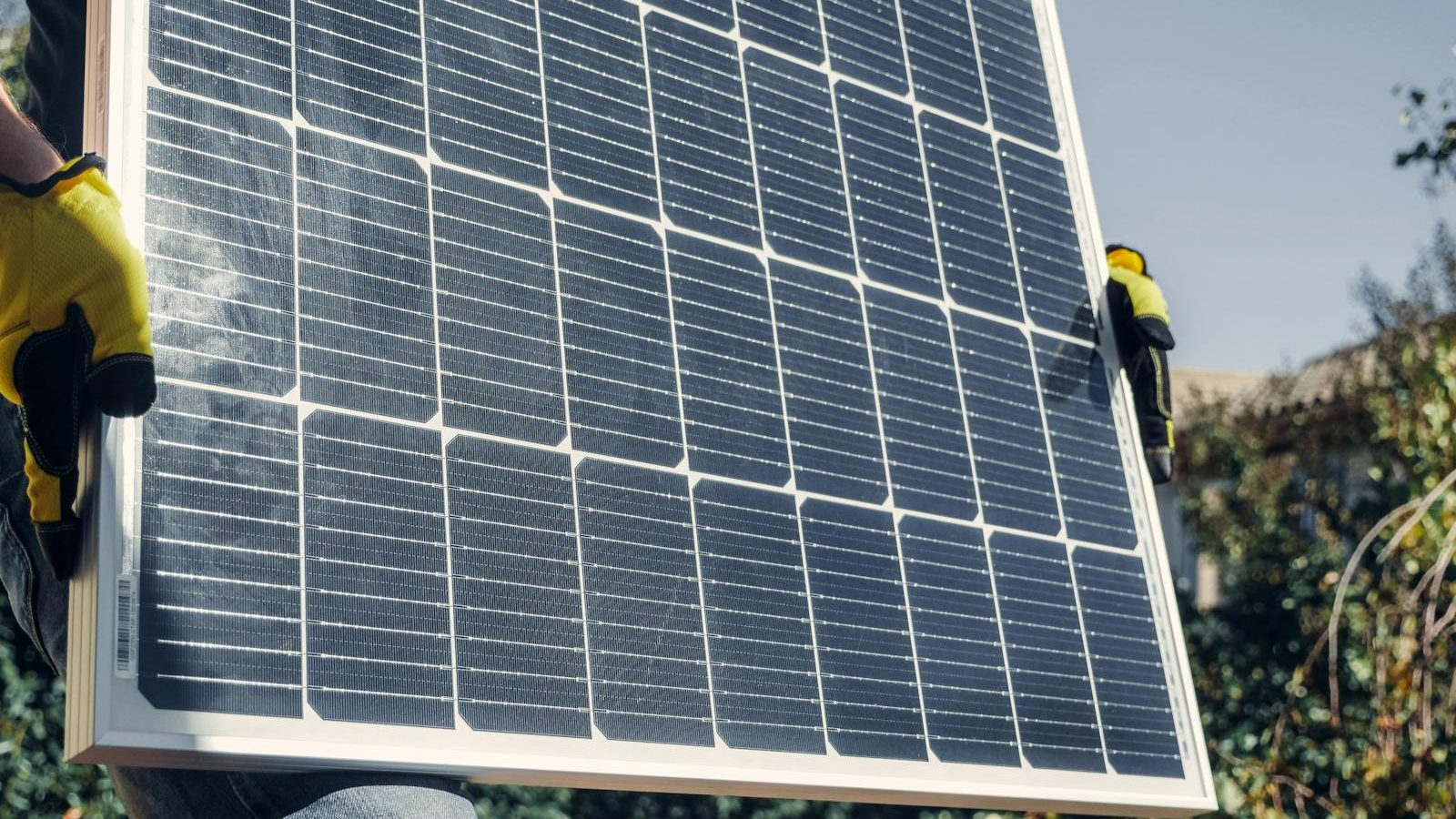
Most rooftop solar regret traces back to the same handful of small choices made early in the process. People sign too fast, trust the first friendly quote, or focus on the wrong line item on the bid. The eight mistakes below are the ones I see again and again, with a calmer path through each so your first solar purchase is one you still feel good about a decade from now.
The first solar purchase is unusual because the salesperson knows the product and you almost certainly do not. That gap is where most buying mistakes live. They are not dramatic scams. They are small, ordinary decisions made under pressure: signing a contract the same afternoon as the pitch, picking the cheapest panel brand without asking about the inverter, or skipping a question about the roof because it felt rude.
I have walked through enough quotes with friends and readers to notice the patterns. The good news is that every mistake on this list is preventable with a single extra question or a single extra day. None of it requires becoming an engineer. It just requires slowing down by one notch and knowing what to look at before you sign.
Mistake #1: Only getting one quote
The most common mistake is signing with the first installer who knocks. The pitch feels personal, the rep is patient, and the quote looks reasonable on the page. So the homeowner signs. The trouble is that pricing across installers in the same zip code routinely varies by 20 to 40 percent for nearly identical equipment, and warranty terms can swing even wider. Without a second opinion, there is simply no way to know whether the number you got was fair.
Aim for three quotes, with at least one from a local installer who has been operating for five years or more. Ask each company to use the same assumptions: similar panel wattage range, same offset target, comparable financing terms. That apples-to-apples view turns a confusing pile of PDFs into a real comparison.
For a deeper look at how to line up bids side by side, my piece on mistakes comparing renewable energy quotes walks through the framing in plain language.
Mistake #2: Signing the same day as the pitch
Solar salespeople are trained to close at the kitchen table. The expiring promotion, the “today only” discount, the rep who needs to “get this approved by my manager before I leave” are all routine tactics. Almost none of that urgency is real on a one-week scale. The federal tax credit does not vanish next Tuesday, and the installer will absolutely take your money seven days from now at the same price.
The fix is a personal rule that costs nothing: never sign a solar contract on the same day you first see it. Take it home, read it in a quiet room, and bring questions to a second meeting. Reputable installers expect this. The ones who push back hardest are usually the ones whose contracts will not survive a careful second read.
If a rep refuses to leave a copy of the contract overnight, that single behavior is enough information to walk away from the deal.
Mistake #3: Financing a 25-year loan from the installer without comparing
Installer-arranged financing is often the most expensive money in the entire transaction. The structure usually works like this: the installer offers you a low advertised rate, say 2.99 or 3.99 percent, and the lender charges the installer a fee for offering you that rate. The installer then bakes that fee into your financed price, often 15 to 30 percent above the cash price. You see the same total cost on the cover page either way, but you are paying thousands of dollars in disguised interest.
Before you accept any installer loan, ask for the cash price in writing. Compare it to the financed price. The gap is the dealer fee. Then call your credit union and your bank and ask what rate they would offer on a home equity line or a personal solar loan for the same amount. Sometimes the installer loan still wins. Often it does not.
Things to confirm on any 20 to 25 year solar loan:
- The cash price and the financed price, side by side
- Whether there is a prepayment penalty if you pay it off early
- What happens to the loan if you sell the house before it is paid off
- Whether the monthly payment is fixed or has an escalator clause
- Whether the federal tax credit is assumed to be applied to the loan in year two
Mistake #4: Ignoring monitoring features
Monitoring is the unglamorous part of solar that gets glossed over in the sales meeting. Beginners assume every modern system tells you how much electricity it is producing. Not all of them do, and even fewer tell you which panel is underperforming or whether the inverter threw an error code last week. You only learn the difference when something goes wrong in year three and you realize the system has been quietly producing 18 percent below estimate for nine months.
Ask each installer two specific questions. First, is the monitoring at the system level or the panel level? Panel-level monitoring (typical with microinverters and some optimizer setups) shows you exactly which module is having a bad day. System-level monitoring only shows total output, which is useful but slower to flag problems. Second, does the monitoring app belong to you or to the installer? If they go out of business in year seven, will you still be able to see your own production data?
A calm benchmark: any modern residential install should offer an app or web portal that shows daily and lifetime production. If the answer is “we will check it for you,” that is not monitoring. That is hoping nothing breaks.
Mistake #5: Undersizing for future EV needs
People shop solar based on the bills they have today, not the bills they will have in three years. That is understandable, but it is also the most common reason a system that looked right at signing feels too small by year four. The big variable is the electric car. Charging an EV at home typically adds 2,500 to 4,500 kWh per year for a single driver, which can be 25 to 50 percent of a household’s existing usage. If your system was sized for 100 percent of last year’s bill, an EV in the driveway turns it into a 65 percent system overnight.
If there is even a moderate chance an EV is in your next five years, tell the installer up front. Ask them to model two sizing scenarios: current usage, and current usage plus an EV. The cost gap between the two is often smaller than people expect, because the marginal panels and racking are cheap once the crew and inverter are already on site. Adding capacity later, as a separate project, is almost always more expensive per watt.
Same logic applies if you are thinking about a heat pump, a heated pool, or finishing a basement. Future-proof the sizing decision, not the panel brand.
Mistake #6: Oversizing without checking net metering rules
The opposite mistake is just as expensive. Some homeowners install a system far larger than they need, assuming the utility will pay them retail rates for every surplus kilowatt-hour. Sometimes that is true. Often it is not. Net metering policies vary wildly by state and by utility, and many have shifted in the last few years toward export rates that are 30 to 70 percent lower than retail. A 12 kW system in a market with poor net metering can produce thousands of “free” kilowatt-hours per year that earn you almost nothing.
Before signing, ask the installer to put the export rate in writing as part of the production estimate. Then ask what happens if the policy changes during your loan term. The honest answer is usually “we cannot guarantee that,” which is fine. What matters is that you priced the system based on realistic assumptions, not optimistic ones.
Mistake #7: Focusing on panel brand instead of inverter quality
Beginners obsess over panels because panels are visible and panel brands have marketing budgets. Inverters are the boring box on the side of the house that nobody photographs. But the inverter is the component most likely to fail in the first 15 years of a residential solar system. Panels typically last 25 to 30 years with slow, gentle degradation. String inverters often need replacement somewhere between year 10 and year 15. A single inverter replacement can cost 1,500 to 4,000 dollars depending on system size and labor.
What to actually compare between bids:
- Inverter manufacturer and model number (not just “high quality inverter”)
- Warranty length: budget string inverters often come with 10 years, premium string and microinverters often offer 12 to 25
- Whether the warranty covers labor or only the replacement part
- Whether the brand has a US service presence or relies on overseas RMA processes
Panels matter, but for most homeowners the spread between mid-tier and top-tier panel brands is smaller than the spread between a 10 year inverter warranty and a 25 year one.
Mistake #8: Accepting “estimated production” without seeing the calculation
Every quote you receive will list an estimated annual production number, usually somewhere between 8,000 and 16,000 kWh per year for a typical residential system. That number is the foundation of every payback calculation in the proposal. If it is 15 percent too optimistic, your real payback period stretches by a year or more. Beginners take the estimate at face value because the PDF looks official. Reputable installers can show you exactly how they produced it.
Ask for the shade analysis report and the production model output. A real installer uses software (Aurora, HelioScope, or a Solmetric SunEye) that generates a multi-page PDF showing your specific roof modeled hour by hour across the year. If the response is “we estimated based on regional averages,” that is a visual estimate from the driveway dressed up in confident language. Push for the document.
If you want help pressure-testing the math an installer hands you, my walkthrough on troubleshooting the payback math you were handed shows how to spot the assumptions that quietly inflate the savings number.
Bonus mistake worth knowing: forgetting the age of your roof. This one is the saddest because it is so preventable. A solar array typically lasts 25 to 30 years. An asphalt shingle roof typically lasts 20 to 30. If your roof is already 15 years old when the panels go up, you are likely paying to remove and reinstall the entire system in seven to ten years to replace shingles underneath. That removal and reinstall usually runs 2,000 to 5,000 dollars on a typical residential system, sometimes more.
Before any installer touches your roof, have a roofer give you an honest assessment of remaining life. If the answer is “you have got maybe eight more years,” do the roof first. Yes, it delays the solar project by a few months. It is also much cheaper than doing it twice.
Common sense check that I run on every quote:
- How old is the roof under the proposed array, in years?
- What is the realistic remaining life expectancy?
- If under 10 years remaining, is reroofing in the project scope or a separate decision?
- Does the installer’s workmanship warranty cover penetrations if leaks appear in year 5?
If you want a tighter sense of how to spot a pitch that is glossing over any of these mistakes, my checklist for spotting a bad solar sales pitch turns the warning signs into a quick reference you can keep on your phone during the meeting.
None of this is meant to scare anyone off solar. The technology works, the economics work for most homes, and the homeowners I know who love their systems are not the ones who paid the least. They are the ones who slowed down by one week, asked one more question, and made sure the equipment, the financing, and the production assumptions all held up to a quiet second look. That is the whole job.
Frequently asked questions
How many solar quotes should a first-time buyer really get?
Three is the sweet spot. Two quotes are not enough to know whether one bid is unusually high or low, and past four most people get tired rather than better informed. Try to include at least one local installer who has been operating for five or more years alongside any national brands. Local companies often have better warranty follow-through, and national ones often have stronger financing options.
Is installer financing always worse than a bank loan?
Not always, but it is worth comparing every time. Installer loans often hide a dealer fee of 15 to 30 percent of the system cost inside the financed price, even when the advertised interest rate looks low. Ask for the cash price and the financed price side by side. If they differ by thousands, that gap is the fee. A credit union or home equity loan can sometimes beat it cleanly.
How can I tell if my roof is too old for solar?
A rough rule: if your asphalt shingle roof has fewer than ten years of expected life left, do the roof first. Get a written assessment from a roofer who is not affiliated with the solar installer. Removing and reinstalling a solar array to replace shingles underneath typically costs 2,000 to 5,000 dollars on a residential system, which usually outweighs any benefit from rushing the panels onto an aging roof.
What is the difference between system-level and panel-level monitoring?
System-level monitoring shows total production from the whole array. Panel-level monitoring, common with microinverters and optimizer setups, shows exactly which panel is producing what. Panel-level is more useful because it flags a single shaded or failing module immediately, while system-level only tells you the array is down overall. If you want to catch problems early, ask for panel-level visibility before signing.
Should I oversize my solar system if I might buy an EV later?
Probably yes, within reason. A single EV typically adds 2,500 to 4,500 kWh per year to home electricity use, which can be 25 to 50 percent on top of current usage. Tell the installer up front and ask for two sizing scenarios: current usage, and current usage plus an EV. Adding panels during the original install is almost always cheaper per watt than expanding the system as a separate project later.
How long does it usually take from first quote to signing a solar contract?
Plan for three to six weeks. That timeline lets you collect competing bids, verify equipment specs and warranty lengths, read contracts carefully at home, and check references from past customers. Reputable installers will respect that pace. If a salesperson pressures you to decide in 24 or 48 hours to lock in a promotion, treat that pressure as useful information about how the company operates, and act accordingly.
Read next in Mistakes & Myths
If this guide was useful, these two neighbouring pieces will fill in the surrounding context:
Sources and further reading
For the underlying data behind the numbers in this guide, and for the standards, incentive programs, and safety rules referenced throughout, see:
Related guides

Five Marketing Claims That Look Honest, But Are Not
Home energy marketing has its own dialect. The phrases sound technical, the numbers sound precise, and the brochures look clean. Most of the time, the claims are not exactly lies. They are…
A Realistic Checklist for Grid-Independence Claims
Most homes labeled "off grid" still lean on a propane generator, a wood stove, or an occasional grid connection during bad weeks. That is fine, but the marketing rarely says so. This…
Lithium vs. Lead-Acid: The Honest Comparison for Beginners
A reader who was building out a small off-grid cabin asked me last spring whether the dusty pile of golf cart batteries her uncle gave her could replace the lithium pack the…