The Eight Most Common Renewable Energy Myths, Explained
Renewable energy gets talked about more than almost any other household topic, which means a lot of outdated ideas keep circulating long after the technology moved on. Some of these myths once…

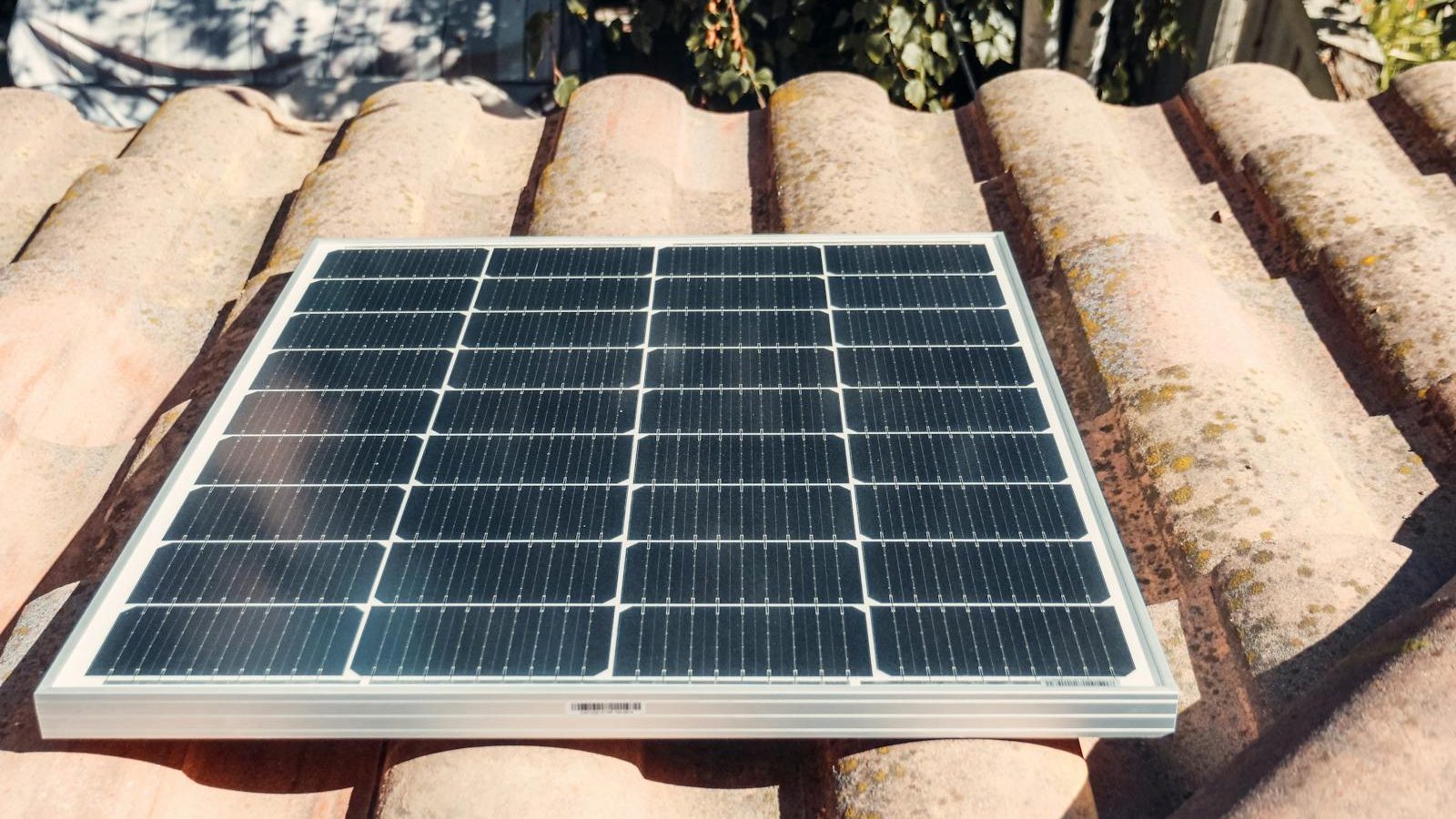
Renewable energy gets talked about more than almost any other household topic, which means a lot of outdated ideas keep circulating long after the technology moved on. Some of these myths once had a kernel of truth, others were never quite right. Let us walk through eight of the most common ones in plain language, with realistic numbers and no scolding, so you can make calmer decisions.
Most renewable energy myths started somewhere reasonable. A friend bought a panel kit in 2009 that did not pay off, an early electric car had a small battery, a wind farm got bad press for a single year. Those stories froze in time, then traveled by word of mouth, while the underlying hardware kept changing fast. Panel prices fell by more than 70 percent in many markets between roughly 2010 and 2024, battery costs dropped by a similar amount, and the average new EV now drives farther on one charge than most people drive in three days.
None of the myths below are silly. Each one made sense at some point. The trouble is that repeating decade-old advice in 2026 usually means missing out on real savings, real comfort, or both. Let us go through eight of the most common myths, look at where they came from, and replace them with a calmer, more current picture.
Myth #1: Renewable energy is too expensive for normal households
This one feels true because it used to be true. In 2008, a residential solar system could easily cost 40,000 to 60,000 dollars before incentives, and home batteries were essentially a custom industrial product. Most middle-income households genuinely could not afford the upfront price.
The math today looks different. A typical 6 to 10 kilowatt residential solar system in the United States runs roughly 14,000 to 22,000 dollars after the federal tax credit, with monthly savings of 80 to 200 dollars depending on local rates and sun. Heat pumps, which run on whatever electricity your home uses, cost about the same as a comparable furnace and central AC bundle and often run 30 to 50 percent more efficient. Even small wind turbines, which are still the most niche category, have come down meaningfully in price for rural lots with steady wind.
A few rough ranges to keep in mind, assuming average installation conditions and current incentives:
- Residential solar: 7 to 12 year payback in most US markets, 25 to 30+ year panel life
- Heat pump replacement: 0 to 5 year payback over a failing furnace and AC unit
- Home battery for backup: 8,000 to 15,000 dollars installed for a single Powerwall-class unit
- Small wind turbine on rural acreage: 15,000 to 40,000 dollars depending on tower height and site
Financing has also changed. Many utilities, credit unions, and state programs now offer loans where the monthly payment is less than the monthly electricity savings, which means a household with no money down can come out ahead from month one. The honest version of this myth is not “it is too expensive” but “the upfront math depends on your specific roof and rates.” That is a very different conversation.
Myth #2: Renewables only work in sunny, warm places
Picture solar and you picture Arizona. Picture wind and you picture a coastline. The instinct is that renewable energy needs a postcard climate, so homes in Buffalo, Maine, or the Pacific Northwest are out of luck.
What actually drives solar production is annual sun hours plus the price you pay for grid electricity. Cloudy regions often have higher utility rates, which quietly cancels out the lower sun. Germany, which gets about as much sunshine as Alaska, has been one of the largest residential solar markets in the world for over a decade. Panels also lose a small amount of efficiency as they heat up, roughly 0.3 to 0.5 percent per degree Celsius above about 25 C. A cool, bright day in Vermont can produce more electricity per panel than a sweltering July afternoon in Phoenix.
Wind is similar. The best small-turbine sites are usually rural lots with steady 10 to 14 mile per hour average wind, which exists in plenty of inland and northern locations. Heat pumps, often dismissed as “only for mild climates,” now work efficiently down to about minus 15 to minus 25 degrees Celsius depending on the model. Norway, Sweden, and Finland have some of the highest heat pump adoption rates on the planet. If your roof gets a reasonable amount of unshaded daylight and your utility rates are above roughly 14 to 16 cents per kilowatt-hour, it is worth at least modeling the numbers.
Myth #3: Solar panels never actually pay for themselves
This is the cousin of myth one, and it has remarkable staying power. The story usually involves a neighbor who installed panels in 2011 and is “still waiting” for them to pay off. The number twenty years gets thrown around as if it were a law of physics.
Across most US regions with typical sun exposure and average electricity rates, a residential solar system pays for itself somewhere in the range of 7 to 12 years. Households paying above-average electricity rates and layering strong local incentives can reach payback in as few as 5 to 6 years. Homes with low utility rates, partial roof shading, or premium installation quotes typically see 13 to 15 year paybacks instead. A payback beyond twenty years is now unusual and typically points to oversized capacity, very low local electricity rates, or an unusually expensive install costs.
Three things changed. Module prices have fallen sharply over the past decade, federal and state incentive programs have broadened, and utility rates have outpaced general inflation in many regions. Most homeowners stay in their homes long enough to enjoy 10 to 20 years of nearly free electricity after payback. Even if you move, studies from the Lawrence Berkeley National Laboratory have found that homes with owned solar systems tend to sell for a measurable premium. Where this myth still has bite is in how systems get marketed, and we look at that more carefully in five marketing claims that look honest but are not.
Myth #4: Wind turbines kill so many birds that they are not worth it
This claim gets repeated more confidently than almost any other, and it has real emotional weight. Nobody wants to participate in killing wildlife. The trouble is that the numbers, when you actually look at them, tell a very different story from the headlines.
Wind turbines in the United States are estimated to kill roughly 230,000 to 700,000 birds per year, depending on the study. That sounds large until you compare it to other human-related causes. Domestic cats kill about 1.3 to 4 billion birds per year. Building and window collisions kill roughly 365 million to 1 billion. Vehicle strikes account for about 200 million. Fossil fuel infrastructure, including coal plants and oil ponds, kills tens of millions when you include habitat loss and air pollution effects.
Modern turbine siting has also improved significantly. Sites are now selected to avoid major migration corridors, blade speeds and colors are tuned to be more visible, and some installations use radar systems that pause turbines when large flocks approach. None of this means wind is harmless to wildlife, but in the broader picture, choosing wind power over coal or gas almost certainly results in fewer total bird deaths once habitat and pollution are counted. We dig into how this gets spun in marketing materials in our look at wind power marketing claims versus reality.
Myth #5: EVs are actually dirtier than gas cars once you count the battery
This one circulates in well-meaning forms. The argument usually goes that mining lithium, cobalt, and nickel for batteries creates such a large emissions footprint that an EV never catches up to a comparable gas car. It sounds rigorous because it brings up the supply chain, which most pro-EV arguments skip over.
The current evidence does not support it. A modern EV does have higher manufacturing emissions than a gas car, mostly from battery production. But over the full lifetime of the vehicle, the EV typically emits 50 to 70 percent less CO2 than a comparable gas car, depending on how clean the local grid is. Even in regions with coal-heavy electricity, EVs come out ahead within roughly 1 to 3 years of normal driving. In regions with cleaner grids, the breakeven happens in well under a year.
A few practical numbers, assuming a midsize sedan driven about 12,000 miles per year:
- Manufacturing emissions: roughly 30 to 70 percent higher for an EV than a gas car, mostly from the battery
- Operating emissions per mile: typically 60 to 80 percent lower for the EV on an average US grid
- Lifetime breakeven on total emissions: usually 12 to 36 months of normal driving
- Battery recycling recovery rates: currently 50 to 95 percent for lithium and cobalt at modern facilities, and improving each year
The grid is also getting cleaner over time, which means every EV on the road quietly gets greener as the years pass. A gas car does not get cleaner as it ages. That asymmetry is worth sitting with.
Myth #6: The electric grid cannot handle a lot of renewables
The intuition here is reasonable. Solar produces only during the day, wind blows irregularly, and the grid was originally designed around steady output from large fossil plants. So adding a lot of variable renewables must, the thinking goes, cause blackouts or instability.
In practice, grids around the world are already running with much higher renewable shares than most people realize. Iowa, Kansas, South Dakota, and Oklahoma routinely get 40 to 60 percent of their annual electricity from wind. Several European countries regularly hit 70 to 100 percent renewable production for hours or days at a time. California now meets a large share of its midday demand from solar. None of these grids are collapsing. They are using a combination of better forecasting, regional interconnections, demand response, and growing battery storage to balance supply and demand.
Grid operators have known how to handle variable resources for a long time. What is new is the scale, and the engineering response has kept up. Battery storage on the grid has roughly tripled in the United States between 2020 and 2024, and pumped hydro, demand response programs, and smart inverters all add flexibility. There are real challenges, including transmission upgrades and interconnection queues, but those are policy and permitting issues, not laws of physics. The myth that the grid simply cannot handle renewables tends to come from people who have not noticed how much it already does.
Myth #7: Home batteries always die after about five years
This number gets repeated with the same confidence as “twenty year solar payback,” and it comes from the same place. Early lithium-ion batteries in laptops and phones did degrade noticeably over a few years, and those experiences shaped how people think about all batteries.
Modern home batteries, including the Tesla Powerwall, LG Chem RESU, Enphase IQ, and similar products, are typically warrantied for 10 years and rated to retain about 70 to 80 percent of their original capacity at the end of that warranty. Real-world data from installations now 5 to 8 years old suggests most units are tracking those specs or doing slightly better. The cells themselves are also a different chemistry than your phone battery, often lithium iron phosphate (LFP), which is more thermally stable and has a longer cycle life than the older lithium cobalt oxide used in early consumer electronics.
A few useful expectations to anchor this:
- Typical warranty: 10 years with 70 to 80 percent capacity retention
- Expected real-world life: 12 to 20 years for daily cycling, longer for backup-only use
- Cycle ratings: usually 4,000 to 10,000 full cycles depending on chemistry
- Degradation pattern: usually steady and predictable, not a sudden failure
Where the myth has some bite is in how batteries get sized and sold. Some installers oversell capacity, undersell maintenance, or quietly skip details that affect lifespan. We walk through the most common traps in our piece on battery myths that cost real homeowners money. The technology itself is solid. The sales process is where most disappointment actually comes from.
Myth #8: Going renewable means giving up comfort and convenience
This is maybe the most emotionally loaded myth. The picture is of cold showers, dim lights, an EV that strands you on the highway, and a house that feels like a science experiment. Nobody wants that, so the easiest response is to stick with what feels familiar.
The reality, for most households, is much less dramatic. A heat pump keeps a house at the same temperature as a furnace, often more evenly because it runs at variable speeds. A modern EV with 250 to 350 miles of range covers more than 95 percent of typical daily driving without thinking about charging. Induction stoves boil water faster than gas. LED lighting is brighter, warmer, and more controllable than the incandescent bulbs it replaced. Solar plus a battery often makes the lights stay on during a grid outage, which is a comfort upgrade rather than a sacrifice.
The friction that does exist is usually around the edges. Long road trips in an EV require slightly more planning than in a gas car. A heat pump installed in a leaky old house benefits from some insulation work first. A solar system needs a roof in decent shape. None of these are deal-breakers, and most are one-time setup tasks rather than ongoing inconveniences. Across the rest of daily life, you mostly do not notice the change, which is the whole point. The technology is meant to disappear into the background.
One more thing worth saying. You do not need to be a technical person to use any of this. Modern solar inverters monitor themselves and send alerts when something is off. EVs charge while you sleep. Smart thermostats handle scheduling. Home batteries switch over automatically during an outage. The hardware has gotten dramatically easier to live with in the last five years, and the next five will continue that trend. If something looked intimidating in 2018, it is probably worth a second look in 2026.
The throughline across all eight myths is the same. The instincts behind them are usually good. People want to make careful decisions, avoid waste, and not be sold something they do not need. But the technology underneath has changed fast, and the rules of thumb need to change with it. Pick one of these myths to retire this month, look at the current numbers for your specific situation, and let the rest follow at whatever pace feels right.
Frequently asked questions
Is renewable energy really affordable for an average household now?
For most households, yes, at least for solar and heat pumps. A typical residential solar system runs roughly 14,000 to 22,000 dollars after the federal tax credit, with paybacks of 7 to 12 years in most markets. Heat pumps often cost about the same as a furnace plus AC bundle and use less energy. Many utilities now offer financing where the monthly payment is less than the monthly savings.
Do solar panels really work in cloudy or snowy climates?
Yes, just at reduced output. Light cloud cover typically drops production to about 40 to 80 percent of a sunny day. Across a full year in a snowy climate, snow cover usually reduces total output by only 2 to 5 percent, not the 40 to 50 percent people often guess. Cloudier regions also tend to have higher electricity prices, which quietly offsets the lower sun.
Are EVs actually cleaner than gas cars over their full life?
For almost all current driving conditions, yes. A modern EV does have higher manufacturing emissions, mostly from the battery, but over the full vehicle lifetime emits 50 to 70 percent less CO2. Even on coal-heavy grids, the EV reaches lifetime breakeven within about 1 to 3 years of normal driving. The EV also gets cleaner as the grid does, while a gas car gets dirtier as it ages.
How long do modern home batteries actually last?
Most current home batteries are warrantied for 10 years and rated to retain about 70 to 80 percent of original capacity at that point. Real-world data from installations 5 to 8 years old suggests most are tracking those specs or doing slightly better. Expected real-world life is typically 12 to 20 years for daily cycling. Modern lithium iron phosphate cells are more stable than the older cells in early consumer electronics.
Can the electric grid really handle a lot of renewable energy?
It already does in many places. Iowa, Kansas, and Oklahoma routinely get 40 to 60 percent of their annual electricity from wind. Several European countries regularly hit 70 to 100 percent renewable production for hours or days at a time. Grid operators use better forecasting, regional interconnections, demand response, and battery storage to balance supply and demand. The real challenges are transmission upgrades and permitting, which are policy issues.
Do I have to be a tech-savvy person to switch to renewable energy?
No, modern systems are designed to disappear into the background. Solar inverters monitor themselves and send alerts when something is off. EVs charge automatically while you sleep. Smart thermostats handle heating and cooling schedules. Home batteries switch over by themselves during an outage. The hardware has gotten dramatically easier to live with over the last five years.
Read next in Mistakes & Myths
If this guide was useful, these two neighbouring pieces will fill in the surrounding context:
Sources and further reading
For the underlying data behind the numbers in this guide, and for the standards, incentive programs, and safety rules referenced throughout, see:
Related guides
Lithium vs. Lead-Acid: The Honest Comparison for Beginners
A reader who was building out a small off-grid cabin asked me last spring whether the dusty pile of golf cart batteries her uncle gave her could replace the lithium pack the…
Mistakes People Make Comparing Renewable Energy Quotes
Comparing quotes is the step where most renewable energy buyers quietly lose money. The pages look similar, the totals look close, and the salesperson sounds confident, so the decision gets made on…
Net Metering Myths That Quietly Reshape Your Solar Payback
A reader in Sacramento forwarded me her first twelve solar bills last spring, convinced her installer had shorted her by roughly $1,400. Her 6.8 kW system was producing exactly what the design…