A Weekend Checklist for a Lower Utility Bill
A lower utility bill does not require a renovation or a new appliance. It usually requires one quiet weekend of attention. This checklist breaks that weekend into four small blocks, a walk-through,…

A lower utility bill does not require a renovation or a new appliance. It usually requires one quiet weekend of attention. This checklist breaks that weekend into four small blocks, a walk-through, the easy fixes, a tune-up of the big things, and a few light routines. By Sunday night you will have a noticeably more efficient home and a plan you do not have to think about again.
Think of this weekend as a one-day project spread across two relaxed mornings and two short afternoons, not a renovation. You are not going to pull up flooring or rewire anything. You are going to walk through your house with fresh eyes, fix the small leaks and drafts and bad defaults that have piled up over the years, tune the three or four things that actually move the needle on your bill, and then set up a few quiet routines so the savings continue without your attention. The whole plan takes roughly six to eight hours of actual work, broken into chunks small enough that you can still take a nap.
Most homes carry 10 to 25 percent of waste in their monthly utility bill that nobody actively chose. The waste came from forgotten settings, worn weatherstripping, defaults set at the factory, and devices nobody ever turned off. A focused weekend can recover most of that waste without spending more than 30 to 60 dollars on small parts, and often without spending anything at all. The structure below moves from easy to slightly less easy, so you build momentum as you go.
Saturday morning: the walk-through
Start with coffee and a notebook. The goal of this block is not to fix anything yet. It is to look at every room with the eye of a stranger and write down what you find. Most of us stop seeing the lamp that is always on or the window that always feels cold, because they have become part of the background. The notebook breaks that pattern.
Walk through each room in order and spend three to five minutes per space. In each one, look for the same handful of things. Lights that are on with nobody in the room. Devices in standby with little glowing LEDs. Vents blocked by furniture. Windows or doors with visible gaps, peeling weatherstripping, or curtains pinned open in places they should not be. Thermostats set higher or lower than they need to be. Appliances that look older than they should, especially the second fridge in the garage or the basement freezer nobody opens.
- Walk every room with a notebook and write down what you find
- Check every window and door for visible gaps or worn weatherstripping
- Count phantom loads, the small glowing LEDs on idle devices
- Look at every thermostat, including water heater and zone controls
- Inspect refrigerator and freezer gaskets for cracks or loose seal
- Test light switches in rooms you barely use and note the bulb type
- Open the breaker panel briefly and note which circuits feed what
Pay particular attention to the kitchen and the laundry area, where small inefficiencies compound across many uses. Pull the refrigerator out an inch or two and look at the coils on the back. If they are dusty, write it down. Open the dishwasher and washing machine and check that you know which cycle they are set to by default. A factory default of hot wash or heated dry can quietly add 15 to 25 dollars a month to a household bill without anyone noticing.
By the end of the morning you should have a list of fifteen to thirty small items. That is normal. Most homes turn up more than people expect. Do not be discouraged. Each item on the list is a small future savings, and most of them take less than five minutes to address.
Saturday afternoon: the easy fixes
After lunch, this block is where you do the simple physical work. None of it requires tools more complex than a screwdriver, a tube of caulk, and maybe a step stool. Group your fixes by type so you are not running up and down stairs.
Gaskets and seals. The refrigerator door gasket is the most overlooked seal in the house. Clean it with a damp cloth, then close the door on a dollar bill and try to pull the bill out. If it slides easily, the gasket has lost its grip and is letting cold air leak out continuously. A replacement gasket runs 20 to 50 dollars and clips on without tools. The same test works for freezer doors and oven doors. A failing oven gasket alone can extend cook times by 10 to 20 percent.
Weatherstripping and door sweeps. Run your hand along the frame of every exterior door on a windy day, or hold a lit candle near the gap and watch the flame. Visible drafts mean missing or worn weatherstripping, which costs about 8 to 15 dollars per door to replace. Door sweeps at the bottom of exterior doors cost 10 to 20 dollars and stop the single largest air leak in most homes. In US homes, air leaks together account for roughly 25 to 40 percent of heating and cooling costs, so this fix has real teeth.
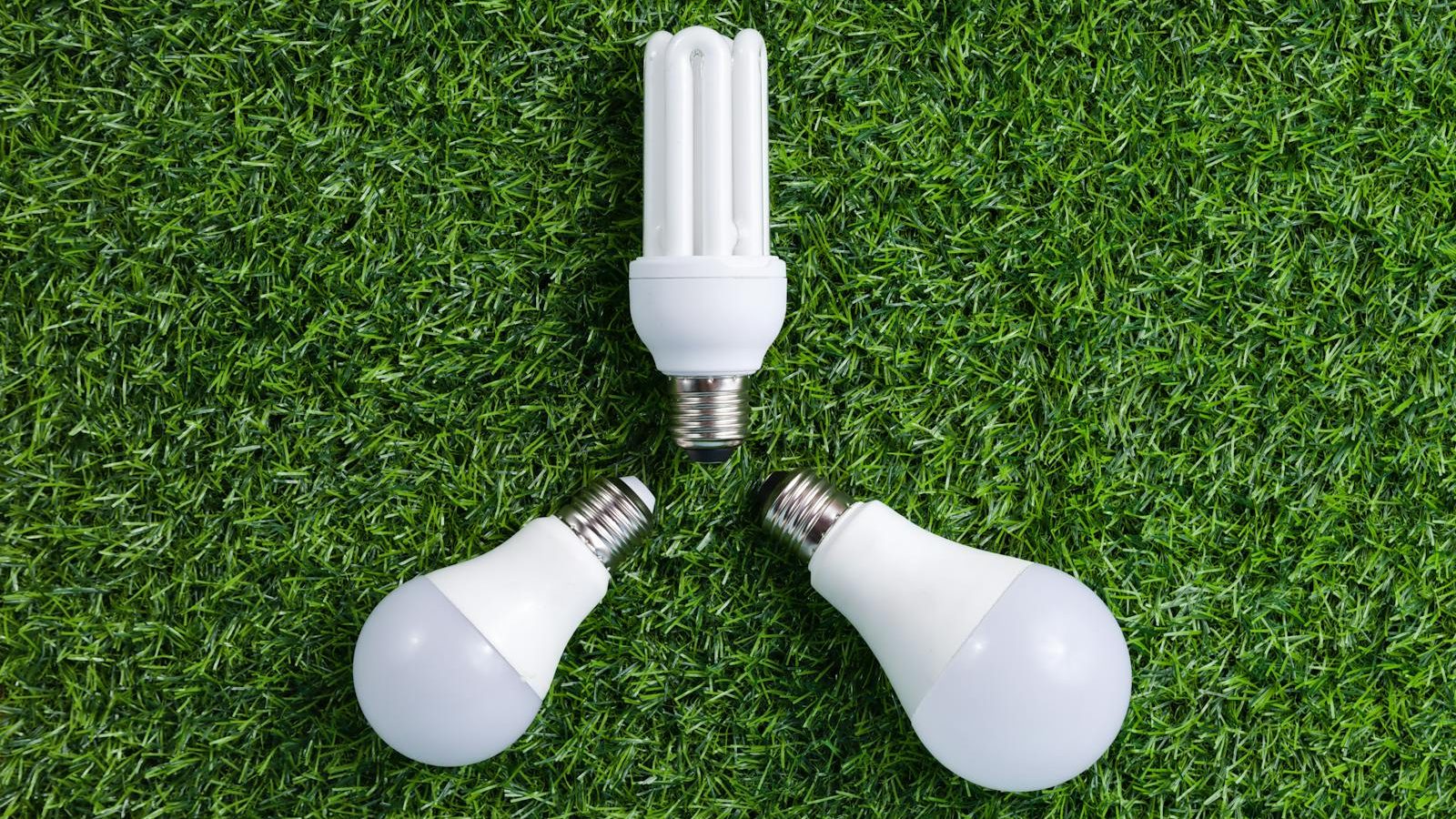
Bulbs. Walk through the house with a small bag and pull out any remaining incandescent or halogen bulbs. Replace them with LEDs of the same brightness. A modern LED uses about 80 percent less energy than the incandescent it replaces and lasts 15 to 25 times longer. A bulb you use 4 hours a day pays back its 2 to 5 dollar cost within about three months. If you want a deeper background on bulb types, our walk-through of low-effort habits that cut your electricity bill covers the lighting math in more detail.
Smart plug placement. Now is the moment to put the smart plugs you may already own to actual use. The best placements are not random. Put one on the entertainment center, where the TV, console, and soundbar live, so you can kill standby with one switch. Put another on the home office surge protector. Put a third in the kitchen, on the coffee maker or toaster zone. If you want a beginner-friendly overview of how the plugs work and what to look for, see our piece on smart plugs explained for everyday homes.
Sunday morning: tune the big things
Sunday is for the things that actually dominate the bill. Heating and cooling, water heating, and the largest appliances together make up 60 to 80 percent of a typical home utility bill. Small tweaks here move more money than anything you did on Saturday.
The thermostat. Pull up the schedule on your thermostat, or set one up if it has been running on hold mode for years. The shape that saves the most money in most US climates is a setback of 4 to 8 degrees Fahrenheit during sleep hours and during the workday if nobody is home. A 7 to 10 degree setback for 8 hours a day can trim 10 to 15 percent off heating and cooling costs. If you have a smart thermostat, this is the time to teach it your schedule. If you have a basic programmable, it takes about 15 minutes with the manual.
The water heater. Water heating is typically the second largest line on a utility bill, around 14 to 18 percent of the total. The factory default on most tank water heaters is 140 degrees Fahrenheit, which is hotter than almost anyone needs and accelerates standby heat loss. Drop the setting to 120 degrees. This single change typically saves 5 to 10 percent on water heating costs and reduces the scald risk to anyone in the house. While you are at it, wrap the first six feet of hot water pipe coming out of the heater with foam pipe insulation, a 5 to 10 dollar fix.
Appliances. Walk into the laundry area with the manual or a phone search and confirm the washer is set to cold or cool for most loads, and the dryer is on the moisture sensor cycle rather than timed dry. Confirm the dishwasher heated dry option is off and air dry is on. These three changes alone can cut appliance energy use by 20 to 35 percent and they only need to be made once. While you are at the dryer, pull off the lint screen and check the vent hose for buildup. A clogged vent can extend drying time by 30 percent and is also a fire hazard.
Sunday afternoon: set up the routines
The last block is about making sure none of this work quietly unravels over the next six months. Most efficiency gains erode within a year if nobody reviews them, because new devices arrive, defaults reset, and old habits creep back. A few light routines protect what you just built.
Schedules. If you set up a thermostat schedule this morning, also set schedules for any smart plugs you placed. The entertainment center can shut off between 1am and 6am, when no honest TV needs to be in standby. The coffee maker plug can cut power at 10am and restore at 5am. These schedules are set once and then forgotten.
Reminders. Put three calendar reminders on your phone right now. One for six months from today, to walk through the house again with the notebook. One for one year from today, to vacuum the refrigerator coils and check the gaskets again. One for three months from today, to look at your utility bill alongside the same month last year and see whether your changes are showing up. Reminders take 90 seconds to create and protect months of attention.
Monitoring. If your utility offers a free online dashboard, log in and bookmark it. Most US utilities now provide daily or even hourly usage data, often with year-over-year comparisons. Looking at the dashboard once a month for two minutes catches sudden changes early, when they are still cheap to investigate. If you want a more thorough baseline before you start trusting the dashboard, our step-by-step guide to your first home energy audit walks through the deeper checks you can layer on top of this weekend.
The Sunday night review
Before bed Sunday, take ten minutes with a cup of tea and look back at the notebook. Cross out everything you finished. Make a short list of anything you wrote down on Saturday that you did not get to, and split it into two columns. Things worth tackling next weekend, and things that can wait until the next quarterly walk-through. Most lists end up with two or three items in the first column and four or five in the second, which is the right shape for a sustainable plan.
The work you did this weekend is not a one-time event in the sense that it never matters again. It is a one-time event in the sense that you only have to do this particular weekend once. The annual walk-through later will take an hour instead of two days, because most of the fixes will still be holding. That compounding is why a focused weekend tends to outperform sporadic effort spread across months. Concentration beats willpower, and a calm weekend is easier than constant vigilance.
Frequently asked questions
How much can one weekend of work actually save on my utility bill?
A household that completes most of the Saturday fixes and Sunday tune-ups in this guide usually trims 12 to 20 percent off the next utility bill. In dollar terms, that works out to roughly 15 to 45 dollars a month for a home with average usage and rates. The savings recur every month afterward with no further effort, so the weekend typically pays for itself within the first billing cycle even if you bought weatherstripping and a few LED bulbs along the way.
What if I do not have a smart thermostat or smart plugs?
You can still complete most of the weekend. A basic programmable thermostat works fine for the Sunday morning tune-up, and most have a setback feature you set with the included buttons in about 15 minutes. For the entertainment center, a simple mechanical timer or even a switched power strip you flip off at bedtime delivers most of the same savings as a smart plug, just with one extra second of effort. The plan does not require any specific gear to work.
Do I need any tools or supplies before I start?
Very little. A notebook, a screwdriver, a small step stool, and maybe a tube of caulk or a roll of weatherstripping cover almost everything. If you discover during the Saturday walk-through that you need a replacement refrigerator gasket or door sweep, you can pick those up between Saturday and Sunday for 20 to 50 dollars total. Total parts spending for most weekends lands in the 30 to 60 dollar range, often less.
Is it really safe to lower my water heater to 120 degrees Fahrenheit?
For most households, yes. 120 degrees is hot enough for normal dishwashing and showering, and it is the temperature recommended by most US safety guidelines because it reduces the risk of scalding, especially for children and older adults. The exception is homes with someone whose immune system requires hotter water to manage certain health risks, in which case check with a doctor first. For the typical household, the change is both safer and cheaper.
How often should I repeat this weekend checklist?
The full weekend only needs to happen once. After that, a 60 to 90 minute walk-through every six months catches anything that has drifted, plus one annual deeper check that includes vacuuming refrigerator coils and re-testing door gaskets. Set the reminders on Sunday afternoon as part of the routine block. Most households find the recurring checks take a fraction of the original weekend because the foundation work stays in place.
What if I find a problem I cannot fix myself during the walk-through?
Write it on the list and keep moving. Common items beyond a weekend project include an aging HVAC system, single-pane windows, or insulation gaps in the attic. None of these need same-weekend attention. Add them to a longer term home improvement list and prioritize them by cost versus impact. The weekend checklist exists specifically to capture all the small wins that do not require a contractor, so you can knock those out first and decide on bigger investments calmly later.
Read next in Home Energy Savings
If this guide was useful, these two neighbouring pieces will fill in the surrounding context:
Sources and further reading
For the underlying data behind the numbers in this guide, and for the standards, incentive programs, and safety rules referenced throughout, see:
Related guides

Five Appliance Mistakes Quietly Running Up Your Bill
Most household appliances are more honest about their energy use than we are about how we treat them. The fridge in the garage, the dishwasher run half-full, the dryer with a clogged…
Insulation Basics for Renters and First-Time Owners
Insulation is one of those topics that sounds expensive and technical until you sit with it for ten minutes. Then it turns out to be mostly common sense, a few useful numbers,…
Heat Pump vs. Furnace: The Beginner Comparison
Heat pumps and furnaces both keep a house warm, but they do it in very different ways, and the right pick depends on your climate, your fuel prices, and how long you…