Heat Pump vs. Furnace: The Beginner Comparison
Heat pumps and furnaces both keep a house warm, but they do it in very different ways, and the right pick depends on your climate, your fuel prices, and how long you…

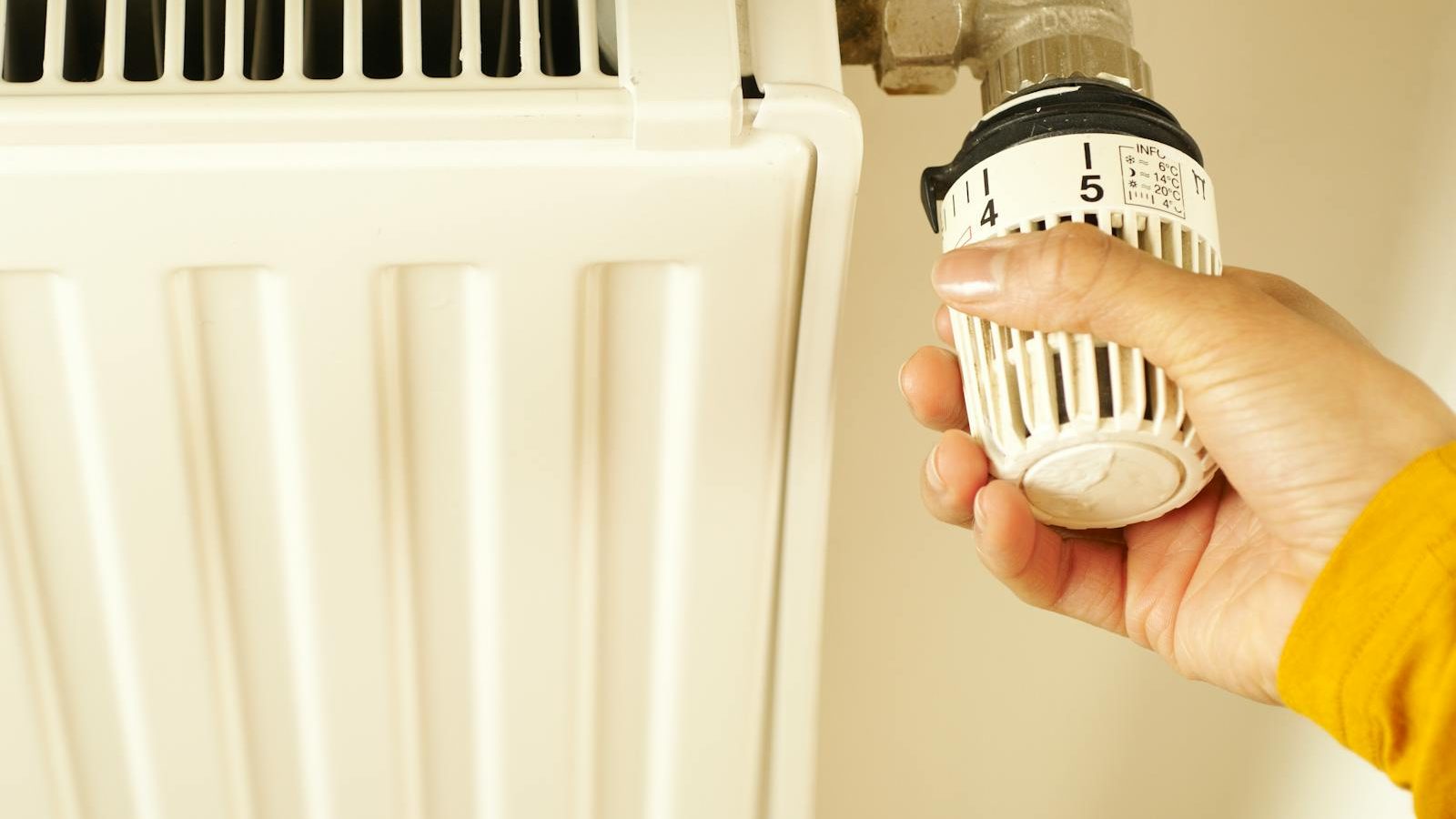
Heat pumps and furnaces both keep a house warm, but they do it in very different ways, and the right pick depends on your climate, your fuel prices, and how long you plan to live in the house. This guide walks through both technologies in plain language, with real numbers and a clear framework so you can read a contractor quote without getting steered toward whichever system the installer happens to stock that month.
For most of the last century, heating a house in a cold country meant burning something. Wood, oil, propane, and natural gas all took turns as the dominant fuel, and the furnace was the box that turned that fuel into warm air. Heat pumps existed in the background for decades, mostly in mild climates, but until recently they could not handle a serious winter. That changed quickly. Today a properly specified heat pump can keep a house comfortable in places that routinely drop below zero, and the policy and price landscape has shifted enough that a lot of households are weighing the choice for the first time.
This article walks through the comparison honestly. We will look at how each system actually moves heat, where each one earns its keep, what the modern cold-climate story looks like, and what the real money picture is once you add up install costs, monthly bills, lifespan, and incentives. By the end you should have a clear sense of which path fits your house, your climate, and your budget.
How each one actually works (plain words)
A furnace makes heat. It pulls in air from your house, passes it over a heat exchanger that is being warmed by burning fuel (usually natural gas, sometimes propane or heating oil), and pushes that warmed air back out through ducts. Combustion gases vent outside through a flue. The thermostat tells the burner when to fire and when to rest. A modern high-efficiency furnace turns roughly 95 to 98 percent of the energy in the fuel into useful heat. The remaining 2 to 5 percent escapes up the vent.
A heat pump moves heat instead of making it. This sounds like marketing language, but it is literal. The unit uses a refrigerant loop, a compressor, and two coils to act like a reversible refrigerator. In winter it pulls warmth out of the outdoor air (or the ground, for geothermal systems) and releases that warmth inside. In summer it runs the same loop backward, pulling heat out of the house and dumping it outside. Because moving heat takes less energy than creating heat from scratch, a heat pump can deliver 2 to 4 units of warmth for every unit of electricity it uses. That ratio is called the coefficient of performance, or COP.
The practical upshot is that a furnace’s efficiency caps at 100 percent, while a heat pump’s effective efficiency often sits between 200 and 400 percent depending on the outdoor temperature. The colder it gets outside, the harder a heat pump has to work to find heat in the air, and its COP drops. That single fact drives most of the rest of this comparison.
Where heat pumps shine
Heat pumps work best in three situations: mild to moderate climates, houses that need both heating and cooling, and homes where electricity is reasonably priced relative to fossil fuels. If any of those describe your situation, a heat pump is usually the more economical and lower-carbon choice over the system’s lifetime.
The clearest win is the two-for-one nature of the equipment. A heat pump is also an air conditioner. If you live somewhere that already needs summer cooling, you are buying one piece of hardware that handles both seasons. A furnace plus a separate central air conditioner costs more to install and takes up more space than a single heat pump system of equivalent capacity.
- Mild and moderate climates: regions where winter lows rarely drop below about 20 degrees Fahrenheit (minus 7 Celsius) are the easiest case for a standard heat pump
- Homes needing AC anyway: the heat pump replaces both the furnace and the central AC, often paying back the price difference in the first year
- Houses with high electricity-to-gas price ratios that favor electric: some regions tax or surcharge natural gas heavily, narrowing or eliminating the operating-cost gap
- All-electric new construction: skipping the gas line installation, meter, and ongoing service fee saves real money up front
- Houses with poor duct access or no ducts: ductless mini-split heat pumps can be added room by room without major renovation
The carbon picture is also favorable in most grids. Even on a grid that still burns some coal and gas, a heat pump’s high COP means it usually produces fewer total emissions per unit of warmth delivered than a gas furnace. That gap widens every year as more renewables come online.
Where furnaces still make sense
Furnaces have not been retired. They make sense in a few real situations, and pretending otherwise leads to bad decisions.
The first case is very cold climates with cheap natural gas. If you live in a region where winter routinely sits below zero Fahrenheit for weeks at a time, and your gas rates are low (think 1.00 to 1.50 USD per therm), a high-efficiency gas furnace may still be cheaper to operate during peak cold, even compared to a modern cold-climate heat pump. The math has narrowed a lot in the last five years, but it has not vanished.
The second case is replacement urgency with a tight budget. If your existing furnace dies in January and you need heat now, swapping in a new furnace of the same type is often the fastest and cheapest path. A heat pump conversion involves more planning, possible electrical upgrades, and contractor scheduling that may not match an emergency timeline. There is no shame in replacing like for like and revisiting the question in 15 years.
The third case is houses with very high heat demand and limited electrical capacity. Old homes with poor insulation and a 100-amp electrical panel may not have the headroom to run a large heat pump plus the rest of the house’s loads. Upgrading the panel adds 1,500 to 4,000 USD to the project, which has to be folded into the comparison. In some cases the cheaper near-term answer is a furnace today and an insulation upgrade first, with a heat pump considered later once the load shrinks.
Cold-climate heat pumps (the modern story)
The biggest change in residential heating over the last decade is the rise of cold-climate heat pumps. These are units specifically engineered to deliver meaningful capacity at outdoor temperatures well below freezing. A standard heat pump from 15 years ago lost most of its output by the time the outdoor air hit 20 degrees Fahrenheit and effectively gave up below 10. A modern cold-climate model maintains 75 to 100 percent of its rated heating capacity down to about 5 degrees Fahrenheit, and continues to operate (at reduced capacity) down to minus 15 or colder.
The technology behind that improvement is mostly inverter-driven variable-speed compressors and improved refrigerants. An inverter compressor can spin slowly when load is light and ramp up when load is heavy, which is far more efficient than the old on-off compressors that ran at one speed. Refrigerants like R-454B and R-32 handle low outdoor temperatures better than older blends.
If you live somewhere that regularly drops below freezing, you should specifically ask contractors for a cold-climate model, not a standard heat pump. Look for the Northeast Energy Efficiency Partnerships (NEEP) cold-climate list in North America, or the equivalent regional certification in your country. The price premium over a standard heat pump is typically 10 to 25 percent, which is small compared to the comfort and efficiency it buys in serious winter.
One honest caveat: in the coldest snaps, even a good cold-climate heat pump will need help. Most systems include either electric resistance backup heat or a connection to an existing gas furnace (a setup called dual fuel or hybrid). Resistance backup is simple but expensive to run, so it should kick in only for the coldest few days a year. Hybrid systems use the gas furnace when the heat pump’s COP drops below the breakeven point with fuel prices, which gives you the best of both technologies at a higher upfront cost.
The real money comparison (install cost + monthly + lifespan + incentives)
Installed costs vary by region, but reasonable 2025 ranges for a typical 2,000-square-foot home in North America look like this. Numbers assume a basic replacement with no major ductwork or electrical changes.
- High-efficiency gas furnace (95 to 98 percent AFUE): 4,500 to 8,000 USD installed, plus 4,000 to 7,000 USD for a matching central AC if you need cooling
- Standard air-source heat pump: 6,000 to 12,000 USD installed (replaces both furnace and AC)
- Cold-climate air-source heat pump: 8,000 to 16,000 USD installed
- Ductless mini-split heat pump (multi-zone): 6,000 to 18,000 USD depending on the number of indoor heads
- Geothermal heat pump: 18,000 to 35,000 USD installed, with the ground loop driving most of that cost
Monthly running costs depend on local rates, but a rough comparison helps. For a moderately insulated 2,000-square-foot home in a climate zone with about 5,000 heating degree days per year, annual heating costs typically land near 1,200 to 1,800 USD for a gas furnace at 1.20 USD per therm, and 900 to 1,400 USD for a cold-climate heat pump at 0.16 USD per kWh. Those ranges shift quickly with fuel prices, so check your last 12 months of bills before trusting any generic estimate.
Lifespan favors the furnace slightly. A well-maintained gas furnace lasts 20 to 25 years. A heat pump typically lasts 12 to 18 years because it works year-round (heating in winter, cooling in summer), which roughly doubles its operating hours compared to a furnace. A separate central AC has a similar 12 to 15 year lifespan, so the total replacement cycle for a furnace-plus-AC pair lands close to a heat pump’s, just spread across two events.
Incentives have shifted the math meaningfully. In the United States, federal tax credits cover up to 30 percent of a heat pump install (capped at 2,000 USD for air-source, higher for geothermal), and many states and utilities stack additional rebates on top, sometimes pushing total incentives past 4,000 to 6,000 USD. Canada, the EU, the UK, and Australia all have parallel programs with their own caps and qualifying equipment lists. Check the current programs in your area before signing any contract, because they change yearly. Building these into a realistic budget for an energy-friendly home upgrade can change which option pencils out.
How to decide for your home
The decision usually comes down to four questions, answered in order.
What is your climate? If winter lows rarely drop below 20 degrees Fahrenheit, a standard heat pump is almost always the right answer. Between 0 and 20 degrees, a cold-climate heat pump fits most homes. Below zero for extended periods, look at a dual-fuel hybrid or stay with a high-efficiency furnace plus a separate heat pump for shoulder seasons. Regional norms matter; ask neighbors what works in your specific climate, not what national averages suggest.
What are your fuel prices? Pull your last 12 months of gas and electric bills, find the per-unit prices (USD per therm and USD per kWh), and run the simple math: gas heat cost equals therms divided by furnace efficiency, then multiplied by gas rate; heat pump cost equals heat demand divided by seasonal COP, then divided by 29.3 (the kWh-to-therm conversion) and multiplied by electric rate. Most utilities publish heating cost calculators that do this for you.
Do you need cooling too? If yes, the heat pump’s two-for-one nature shifts the math significantly in its favor. Replacing a 15-year-old AC and a 20-year-old furnace at the same time with a single heat pump is one of the cleanest upgrade scenarios that exists.
How long will you stay in the house? Heat pump paybacks often run 5 to 12 years against a gas furnace, depending on incentives and fuel prices. If you plan to move in three years, the furnace replacement may be the financially safer pick. If you plan to stay 15 years or more, the heat pump almost always wins on lifetime cost. The same long-horizon thinking applies to other big efficiency moves like picking efficient appliances that share the load on your electric bill.
One last note. Whatever you choose, sizing is more important than brand. An oversized system short-cycles, runs inefficiently, and wears out faster. An undersized system runs constantly and never quite catches up on the coldest days. A good contractor performs a Manual J load calculation based on your actual house, not a square-foot rule of thumb. If a contractor quotes you a system size after a five-minute look around your basement, get a second opinion. The right-sized system from a mid-tier brand will outperform an oversized premium unit, every time.
Frequently asked questions
Can a heat pump really keep my house warm when it is below zero outside?
A modern cold-climate heat pump maintains 75 to 100 percent of its rated capacity down to about 5 degrees Fahrenheit and continues operating at reduced output to minus 15 or colder. Most systems include electric resistance backup or a gas furnace tie-in for the coldest snaps, so you stay comfortable even during a polar vortex. Sizing and installation quality matter more than the brand label, so ask for a Manual J load calculation before signing a contract.
Is it worth replacing a working gas furnace with a heat pump right now?
Usually no, unless your furnace is over 15 years old or you also need to replace your central air conditioner soon. The financial case for early replacement is weak because you are scrapping a working appliance. The exception is if local incentives are exceptionally generous or if you have access to very cheap renewable electricity. Most households are better off planning the swap for when the existing furnace fails or when the AC needs replacing.
Do heat pumps actually save money on monthly bills compared to gas furnaces?
It depends on local fuel prices. In regions where electricity is cheap relative to gas, a heat pump can cut monthly heating costs by 20 to 40 percent. In regions with cheap gas and expensive electricity, the operating costs may be roughly even or slightly higher than a furnace. Pull your last 12 months of bills, check your per-unit rates, and ask a contractor to model both options before assuming one will save you money.
What about my old ducts, will they work with a heat pump?
Most existing ducts work fine if they are reasonably sealed and sized correctly. Heat pumps deliver air at a slightly lower temperature than furnaces, so airflow needs to be steady rather than blasting hot. If your ducts leak heavily or were undersized for the original furnace, a good contractor will recommend duct sealing or modest resizing during the install. Ductless mini-splits are an alternative if your duct system is in poor shape or missing entirely.
How much can incentives actually reduce a heat pump install cost?
In the United States, federal tax credits cover up to 30 percent of an install, capped at 2,000 USD for air-source heat pumps. State, provincial, and utility rebates often stack on top, sometimes pushing total incentives past 4,000 to 6,000 USD for a typical home. Geothermal systems qualify for larger credits. Check the database of state incentives or your local utility website before signing any contract, because programs change yearly and qualifying equipment lists are specific.
Should I just get a hybrid dual-fuel system to hedge my bets?
Dual-fuel systems pair a heat pump with a gas furnace, letting the heat pump handle mild weather and the furnace take over in deep cold. They are a smart choice in climates where winter swings between mild and severe, because you capture the heat pump efficiency most of the year and the furnace reliability on the coldest days. The downside is higher upfront cost, since you are buying two systems instead of one, and slightly more complex controls.
Read next in Home Energy Savings
If this guide was useful, these two neighbouring pieces will fill in the surrounding context:
Sources and further reading
For the underlying data behind the numbers in this guide, and for the standards, incentive programs, and safety rules referenced throughout, see:
Related guides

A Realistic Budget for an Energy-Friendly Home Upgrade
People often ask me what an "energy upgrade" really costs, and the honest answer is that it depends on how much you want to do this year versus over the next five.…
Insulation Basics for Renters and First-Time Owners
Insulation is one of those topics that sounds expensive and technical until you sit with it for ten minutes. Then it turns out to be mostly common sense, a few useful numbers,…

Smart Plugs Explained for Everyday Homes
Smart plugs sit somewhere between gadget and tool. Used well, they quietly trim a few dollars off your bill each month, save you from walking back upstairs to check the iron, and…