Attic and Crawlspace Insulation Payback by Climate Zone
Last February I crawled into a 1926 attic in Southeast Portland with a flashlight and a tape measure and found about four inches of shredded newspaper insulation, matted flat, with visible joist…

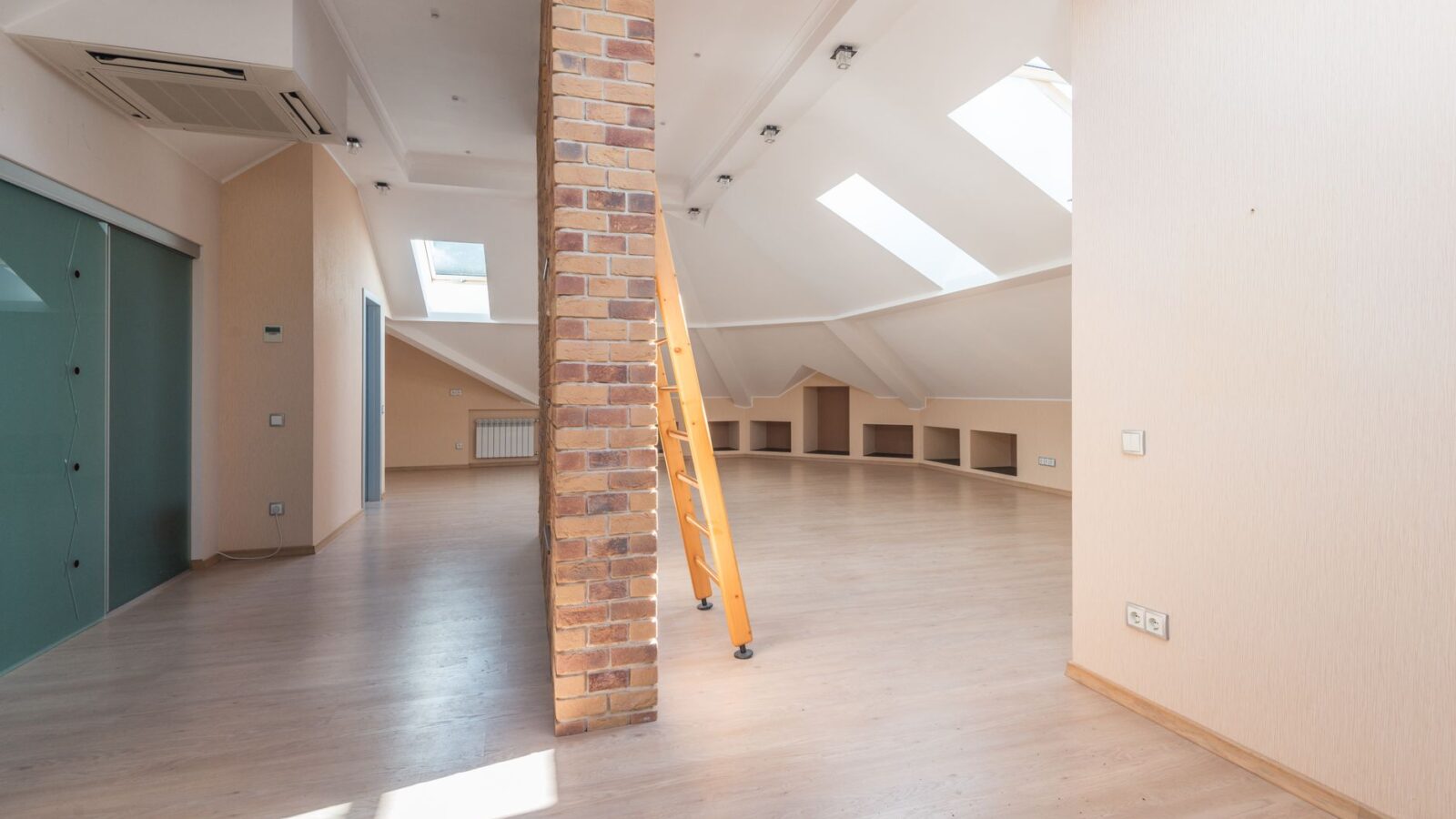
Last February I crawled into a 1926 attic in Southeast Portland with a flashlight and a tape measure and found about four inches of shredded newspaper insulation, matted flat, with visible joist tops sticking up through it. The homeowner was paying roughly $180 a month to keep the upstairs at 66 degrees. That attic was doing maybe R-11 of work in a climate that wants R-49 or better, which is exactly the sort of gap that makes insulation the highest-return energy project most of us will ever do.
What the climate zones actually mean for your house
The U.S. Department of Energy splits the country into eight climate zones based on heating and cooling degree days. Zone 1 is Miami. Zone 8 is interior Alaska. Most of the Pacific Northwest west of the Cascades is Zone 4C (marine). Denver is 5B. Chicago is 5A. Atlanta is 3A. These zones drive the recommended R-values in the ENERGY STAR insulation guidance, which is the cleanest starting point I know of.
Here is the compressed version I keep taped inside a kitchen cabinet, aligned with current DOE targets for uninsulated or lightly insulated homes.
| Zone | Example city | Attic R-value | Crawlspace floor / wall |
|---|---|---|---|
| 1 | Miami | R-30 to R-49 | R-13 wall |
| 2 | Houston | R-49 to R-60 | R-13 wall |
| 3 | Atlanta | R-49 to R-60 | R-19 floor or R-13 wall |
| 4 | Portland, DC | R-49 to R-60 | R-25 floor or R-15 wall |
| 5 | Denver, Chicago | R-49 to R-60 | R-30 floor or R-19 wall |
| 6 | Minneapolis | R-49 to R-60 | R-30 floor or R-19 wall |
| 7 | Duluth | R-60 | R-38 floor or R-21 wall |
| 8 | Fairbanks | R-60 | R-38 floor or R-21 wall |
Two notes on that table. First, the numbers assume you have some existing insulation to build on; if you are starting from bare joists, hit the top of the range. Second, “crawlspace floor” means insulating the subfloor above an unconditioned, vented crawl. “Crawlspace wall” means the newer approach: sealing the vents, insulating the perimeter walls, and treating the crawl as a semi-conditioned space.
What each material actually costs
Prices swing with region and season, but the ranges I quote below are what I have watched settle out over the last two years, sourced from installer bids I have reviewed and the material cost data in the NREL National Residential Efficiency Measures Database.
- Blown cellulose (attic): $1.20 to $2.20 per square foot installed to reach R-49. DIY with rented blower and bagged product: roughly $0.60 to $0.90 per square foot.
- Blown fiberglass (attic): $1.10 to $2.00 per square foot installed to R-49. Lighter, dustier, slightly less dense R per inch than cellulose.
- Fiberglass batts (crawlspace floor): $1.30 to $2.50 per square foot for R-30, installed with wire supports.
- Rigid foam board on crawl walls: $2.50 to $4.50 per square foot for 2 inches of R-10 XPS, taped and sealed.
- Closed-cell spray foam: $4.50 to $7.00 per square foot for 2 inches (about R-13). Great air seal, expensive, and not usually the right pick for open attic floors.
For a typical 1,200 square foot attic in a single-story house, that pencils out to roughly $1,400 to $2,600 for a professional cellulose top-up, or about $800 to $1,100 if you rent the blower yourself. The DOE Energy Saver insulation pages have a good primer on which product suits which cavity.
Payback math by climate
Payback depends on three things: your fuel price, your existing R-value, and how many hours per year your heating or cooling system runs. I use a rule of thumb from working through dozens of these: going from R-11 to R-49 in the attic typically cuts total heating energy use by 15 to 25 percent in a leaky older home. Cooling savings run smaller, maybe 8 to 15 percent, because attic radiant load is only one piece of the summer picture.
Cold climates (Zones 5 to 8)
A Minneapolis bungalow spending $2,200 a year on gas heat can plausibly shave $350 to $500 off that bill by taking a partially insulated attic up to R-60. Against a $2,000 professional job, that is a 4 to 6 year payback. In Zone 7 with heating oil at recent prices, I have seen paybacks under 3 years.
Mixed climates (Zones 3 to 4)
This is my Portland world. Heat pumps are common, winters are long but mild, and cooling season is short but getting hotter. A $1,800 attic upgrade on a house with a modest electric bill often lands at a 6 to 9 year payback. Not as dramatic as a cold-climate story, but the comfort improvement (no more cold ceilings, no more upstairs that runs 8 degrees hotter in August) is what actually sells it.
Hot climates (Zones 1 to 2)
Hot-dry and hot-humid houses see the biggest gain from radiant barriers combined with adequate attic R-value. A Houston attic taken from R-19 to R-49, paired with a radiant barrier, can cut cooling costs 10 to 15 percent. Typical payback: 7 to 12 years. Longer than the cold-climate case, but electricity prices in Zone 2 are climbing fast enough that recent bids I have seen shorten that window each year.
Crawlspace: the project people skip and shouldn’t
An uninsulated crawlspace in Zone 4 or 5 can account for 10 to 20 percent of your heating load. For that 1926 house I mentioned, we ended up doing a full crawlspace encapsulation: 10 mil vapor barrier taped to the perimeter, rim joists air-sealed with canned foam, 2 inches of foil-faced polyiso on the stem walls, and the floor vents closed off. The bid ran about $6,800 for 950 square feet. Aggressive, yes. But the floors upstairs went from painfully cold in January to genuinely walkable in socks, and the ducts running through that crawl finally stopped bleeding conditioned air into a 42 degree space.
DIY versus hiring: an honest split
I have done both. Here is where I draw the line.
Reasonable DIY
- Air-sealing the attic floor with canned foam and caulk around top plates, plumbing stacks, and recessed light housings (buy IC-rated covers for the cans, non-IC needs a 3 inch clearance).
- Blowing cellulose or fiberglass over an open, walkable attic. Home Depot and Lowes lend the blower free with a bag minimum. Two people, one full Saturday for 1,200 square feet.
- Installing rigid foam board against crawlspace stem walls, if the crawl is tall enough to work in and dry.
Hire it out
- Anything involving spray foam. It requires trained applicators, proper PPE, and correct mix ratios or you get off-gassing and shrinkage.
- Attics with knob-and-tube wiring, vermiculite (test for asbestos first), or signs of active roof leaks. Fix the underlying issue first.
- Full crawlspace encapsulation with drainage or sump work. Get at least three bids.
Also worth pricing: the federal Energy Efficient Home Improvement Credit currently covers 30 percent of insulation material costs up to $1,200 per year, through 2032. That trims the effective payback on almost every scenario above by roughly one to two years.
What goes wrong
The three failure modes I see over and over: burying recessed cans that then overheat and short out; blocking the soffit vents so the attic stops breathing and the roof deck rots; and insulating a crawlspace floor without ever fixing a standing water problem beneath it. In each case the “fix” makes the house worse. Before you add a single inch, walk the space in daylight, sniff for musty air, look for stains on the sheathing, and confirm the bath fans actually vent outside rather than dumping into the attic. I have opened up too many attics to skip that step.
Do the boring diagnostic work first, match the R-value to your zone, pick the material that fits the cavity, and this is the rare home project where the numbers, the comfort, and the carbon math all line up in the same direction.
Frequently asked questions
Can I add new insulation on top of old insulation?
Yes, in almost every case. Blowing cellulose or fiberglass over existing batts or old blown material is standard practice, as long as the old insulation is dry, not moldy, and not vermiculite (which needs asbestos testing first). Do not compress the old layer with new batts, and never cover recessed lights unless they are IC-rated or you have installed rated covers.
Should I vent my crawlspace or seal it?
Current building science favors sealing (encapsulating) the crawl in most climates, especially humid Zones 3 and 4. Vented crawls tend to pull damp summer air into a cool space where it condenses on framing. If you seal, you need a 10 to 20 mil vapor barrier, sealed rim joists, and either a small dehumidifier or a supply duct pulling conditioned air through.
How thick is R-49 in cellulose versus fiberglass?
Loose-fill cellulose runs about R-3.5 per inch settled, so R-49 needs roughly 14 inches. Loose-fill fiberglass runs about R-2.5 per inch, needing about 20 inches for R-49. Cellulose fits better under low rooflines and blocks air movement more effectively; fiberglass is lighter on old ceiling drywall.
Does insulation actually help in summer if I only have a heat pump for cooling?
Yes, though the effect is smaller than winter savings. Attic temperatures over unshaded roofs can hit 130 degrees in July, and every inch of R-value slows that heat from soaking into the ceiling. Expect roughly 8 to 15 percent cooling reduction going from a barely-insulated attic to R-49, more if you add a radiant barrier in Zones 1 through 3.
Is spray foam ever worth the extra cost?
For cathedral ceilings, cantilevered floors, band joists, and irregular crawlspace walls, yes. Closed-cell foam gives you air seal and R-value in one pass where batts cannot fit cleanly. For a standard open attic floor, it is almost always overkill; blown cellulose or fiberglass hits the same R at a third to a quarter of the cost.
Related guides

A Weekend Checklist for a Lower Utility Bill
A lower utility bill does not require a renovation or a new appliance. It usually requires one quiet weekend of attention. This checklist breaks that weekend into four small blocks, a walk-through,…

Five Energy-Saving Myths That Are Quietly Costing You Money
Most of the energy tips floating around the internet are either decades out of date or were never true to begin with. They feel right because someone confident said them once, and…
Step by Step: Tuning Your Thermostat for Savings
Your thermostat quietly controls one of the biggest slices of your energy bill, and most of us never really tune it. In this tutorial I walk through the exact steps I use…