Portable Solar Kits vs. Rooftop Systems: Which One Fits You?
Solar shopping splits early into two very different paths. One asks you to fold open a panel on the grass and plug a fridge into a battery. The other asks you to…

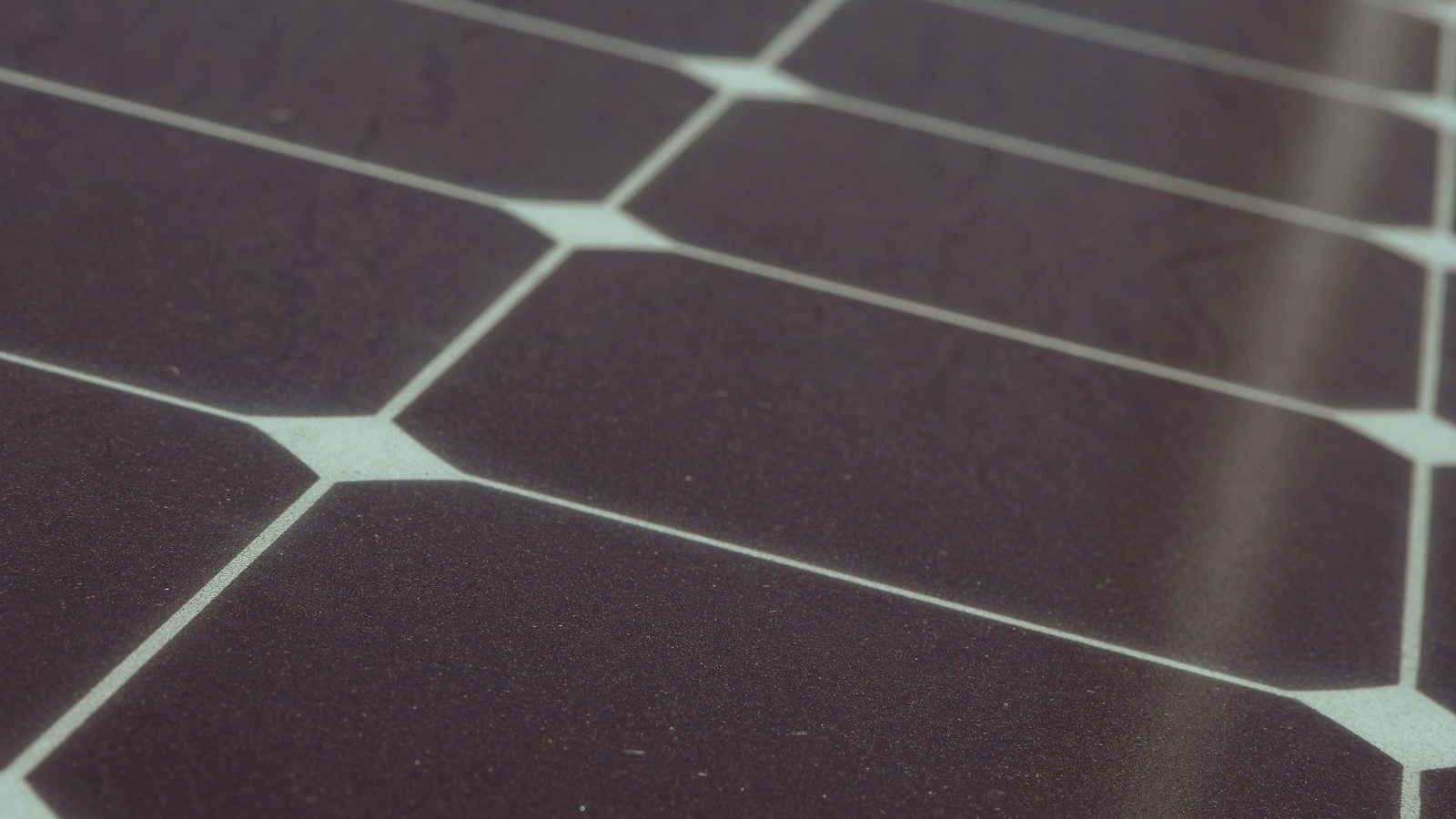
Solar shopping splits early into two very different paths. One asks you to fold open a panel on the grass and plug a fridge into a battery. The other asks you to bolt hardware to your roof for twenty years. Both produce real electricity from the same sun, but they answer wildly different questions. This guide helps you tell which one matches your life today.
Two products, two jobs
The phrase “going solar” hides a fork in the road. On one side sit portable kits: suitcase panels, folding blankets, and small power stations you can lift with one hand. On the other side sit rooftop systems: permanent arrays wired into your home, sized in kilowatts, and built to outlast most cars on your street. People sometimes treat these as competing answers to the same question, but they are really tools for different problems.
A portable kit is built around mobility and small loads. A rooftop array is built around offsetting the monthly utility bill of a whole household. Once you see them as separate categories, the choice gets a lot easier. Before going further, it helps to have a basic mental model of how a panel turns light into power, which we walk through in our beginner guide to solar panels.
What portable kits do well
Portable solar usually means a folding panel between 60 and 400 watts paired with a lithium power station holding somewhere from 200 to 2,000 watt-hours of storage. You set the panel in the sun, plug it into the battery, and run laptops, lights, small appliances, or a CPAP off the inverter built into the unit. The whole system fits in a closet when you are not using it.
This category shines in three situations: camping and van life, short blackouts, and renters who cannot modify a building. You do not need permits, an electrician, or a south-facing roof. You also do not need to commit to one address. If you move next year, the kit moves with you.
Pros to weigh:
- Low upfront cost, often between 300 and 2,500 dollars depending on size.
- No installation labor, no roof penetrations, no utility paperwork.
- Works for renters, RV owners, and anyone with shade problems on their roof.
- Doubles as emergency backup for phones, routers, medical devices, and a small fridge.
- Easy to expand by adding another panel or a second battery.
Cons to weigh:
- Daily output is small. A 200 watt panel in good sun might produce 800 to 1,200 watt-hours per day, which is a fraction of typical home use.
- Battery storage is limited, so you cannot run heating, cooking, or air conditioning for long.
- Lithium power stations usually last 5 to 10 years before capacity drops noticeably.
- You have to set them up, aim them, and bring them back inside.
- No utility credit. Extra sun on a saturated battery is simply lost.
Where rooftop systems pull ahead
A residential rooftop array is a different animal. Typical home systems run from 4 to 12 kilowatts, which is roughly 10 to 30 panels mounted on rails, wired through an inverter, and connected to your main service panel. Most are grid tied, meaning surplus power flows back into the utility lines and you get credited for it. Some add a home battery for outage protection. We break down the full flow in how rooftop solar actually works.
The strength of rooftop is scale and integration. A properly sized array can offset most or all of a household’s annual electricity use, including heavy loads like an electric dryer, an induction stove, or an EV charger. The system runs every sunny minute without you touching it, and good panels carry production warranties of 25 years or more.
Pros to weigh:
- Large daily output. A 6 kilowatt array in a sunny climate might produce 25 to 35 kilowatt-hours on a good day, enough for most homes.
- Long lifespan. Panels degrade slowly, often retaining 85 percent or more of output after 25 years.
- Net metering or feed-in tariffs can turn excess generation into bill credits.
- Tax credits and local rebates often cover a meaningful share of installed cost.
- Adds resale value in many markets, especially where electricity rates run high.
Cons to weigh:
- Upfront cost is large. Cash prices commonly land between 15,000 and 35,000 dollars before incentives, depending on size and region.
- Installation requires a structurally sound roof, decent sun exposure, and a working permit and interconnection process.
- Without batteries, most grid tied systems shut off during outages for safety reasons.
- You are tied to the house. Moving usually means leaving the system behind.
- Payback periods typically run 7 to 15 years depending on local rates and incentives.
How to decide based on your situation
Specs only get you so far. The clearer questions are about your home, your habits, and your time horizon. A few common scenarios make the choice almost mechanical.
You rent your home
Rooftop is usually off the table unless your landlord is unusually motivated. A portable kit gives you real solar experience, real backup capability, and full portability when your lease ends. Start with a 200 to 400 watt folding panel and a 1,000 watt-hour power station.
You own a single family home with sunny roof space
This is the textbook case for rooftop. Get two or three quotes, check your utility’s net metering policy, and look at federal and local incentives. A portable kit can still be a useful add-on for camping or outage backup, but the main investment should go on the roof.
You travel often or live part time in an RV
Portable wins. You need power that follows you and tolerates being packed away. Some RV owners eventually mount semi rigid panels permanently on the vehicle roof, which is essentially a small rooftop system designed for a different roof.
You live somewhere with frequent or long outages
Both can play a role. A portable kit handles short outages and essentials cheaply. For multi day resilience or whole home backup, a rooftop array paired with a home battery is the stronger answer, though the price gap is significant.
Your roof is shaded, north facing, or too old
Rooftop economics get weak fast under shade or with a roof that needs replacement within 5 years. A portable kit, or a ground mounted array if you have yard space, becomes more attractive. You might also consider community solar where it is available.
You want to go fully off grid
Neither product alone is usually enough. Real off grid living needs a larger array, a much bigger battery bank, and careful load planning. We cover the realistic version of that path in when off grid solar makes sense for a home.
Your budget is tight
Start small and learn. A 300 dollar portable kit teaches you how panels behave in real weather, how much power your devices actually draw, and what battery capacity feels useful. That knowledge pays off later if you ever scale up to a rooftop system.
Closing thoughts on the fit
The honest answer is that portable kits and rooftop systems are not really rivals. They are different rungs on the same ladder, sized for different parts of life. A portable kit answers a question about flexibility, mobility, and small loads. A rooftop system answers a question about long term household economics and large loads.
If you are still on the fence, work backward from what frustrates you most. Tired of paying a steep utility bill every month? Look hard at rooftop. Tired of losing the fridge contents every time the wind knocks out power? A portable kit with a decent battery is a fast, low risk fix. Itching to try solar without a big commitment? The portable route lets you start this weekend.
Many households eventually end up with both, just at different stages. A portable kit comes first because it is easy and useful immediately. Years later, after a roof replacement or a move, a rooftop array goes in to cover the bigger bill. There is no rule that says you have to choose only one, just a rule that says you should choose the one that fits the problem in front of you right now.
Frequently asked questions
Can I use a portable solar kit to power my whole house?
Not really, and trying to do so usually ends in disappointment. A typical portable kit produces 1 to 3 kilowatt-hours per day, while an average home uses 20 to 30. Portable kits are sized for individual devices, a small fridge, lights, and electronics. If whole house coverage is the goal, a permanent rooftop or ground mounted array is the appropriate tool, ideally with a home battery for outage protection.
Do rooftop solar panels work during a power outage?
Standard grid tied systems shut down automatically during outages, even on a sunny day. This is a safety rule that protects line workers repairing the grid. To keep power flowing when the utility is down, you need either a battery with islanding capability or a hybrid inverter rated for backup. Without those, your panels are producing electricity that has nowhere to go.
How long do portable solar panels and power stations last?
The panel itself often lasts 10 to 20 years, since the silicon cells are similar to rooftop panels. The lithium power station is the shorter lived part, typically holding useful capacity for 5 to 10 years or about 500 to 3,000 charge cycles depending on the battery chemistry. LFP batteries usually outlast older NMC cells. Treat the battery as the replaceable component in the long run.
Is it cheaper to start with a portable kit and add rooftop later?
It can be a sensible learning path, but the two purchases are not really cumulative. Money spent on a portable kit does not reduce the cost of a later rooftop installation. What you do gain is hands on knowledge about your real energy use, which often leads to a better sized rooftop system. If rooftop is clearly your goal within a year or two, focus your savings there.
Can I install a rooftop solar system myself?
Most regions require licensed installation and utility approval for any grid connected system, so true DIY is rare and often illegal. Off grid DIY rooftop kits exist, but they involve serious electrical work, structural attachment, and code compliance that is risky for beginners. Portable kits, by contrast, are designed for plug and play use with no qualifications required, which is part of their appeal.
What size portable kit do I need for camping or backup?
For phones, lights, and a laptop on a weekend trip, a 100 watt panel and a 300 to 500 watt-hour battery is usually plenty. For a small fridge, fan, and devices over several days, plan on a 200 watt panel and at least a 1,000 watt-hour battery. Track your daily watt-hour use first, then add roughly 30 percent buffer to handle cloudy days.
Read next in Solar Basics
If this guide was useful, these two neighbouring pieces will fill in the surrounding context:
Sources and further reading
For the underlying data behind the numbers in this guide, and for the standards, incentive programs, and safety rules referenced throughout, see:
Related guides
Five Mistakes Beginners Make When Buying Solar
Most people I meet who regret their solar purchase did not buy a bad system. They bought a fine system the wrong way. They moved too fast, trusted the first friendly voice…
Solar Panel Maintenance for Busy Homeowners
Solar panels are one of the lowest-maintenance pieces of equipment on your house, but lowest does not mean none. A few small habits, repeated at the right cadence, will keep your system…
How Many Solar Panels Your Home Actually Needs
A friend forwarded me a solar quote last month for 34 panels on her 1,600 square foot ranch outside Salem. She had asked one installer for a bid, taken what they proposed…