Solar Panels Explained for Complete Beginners
My neighbor in Portland once asked me, over the fence, whether solar panels still work on cloudy days. It is a fair question, and one I heard constantly in my community-energy days.…

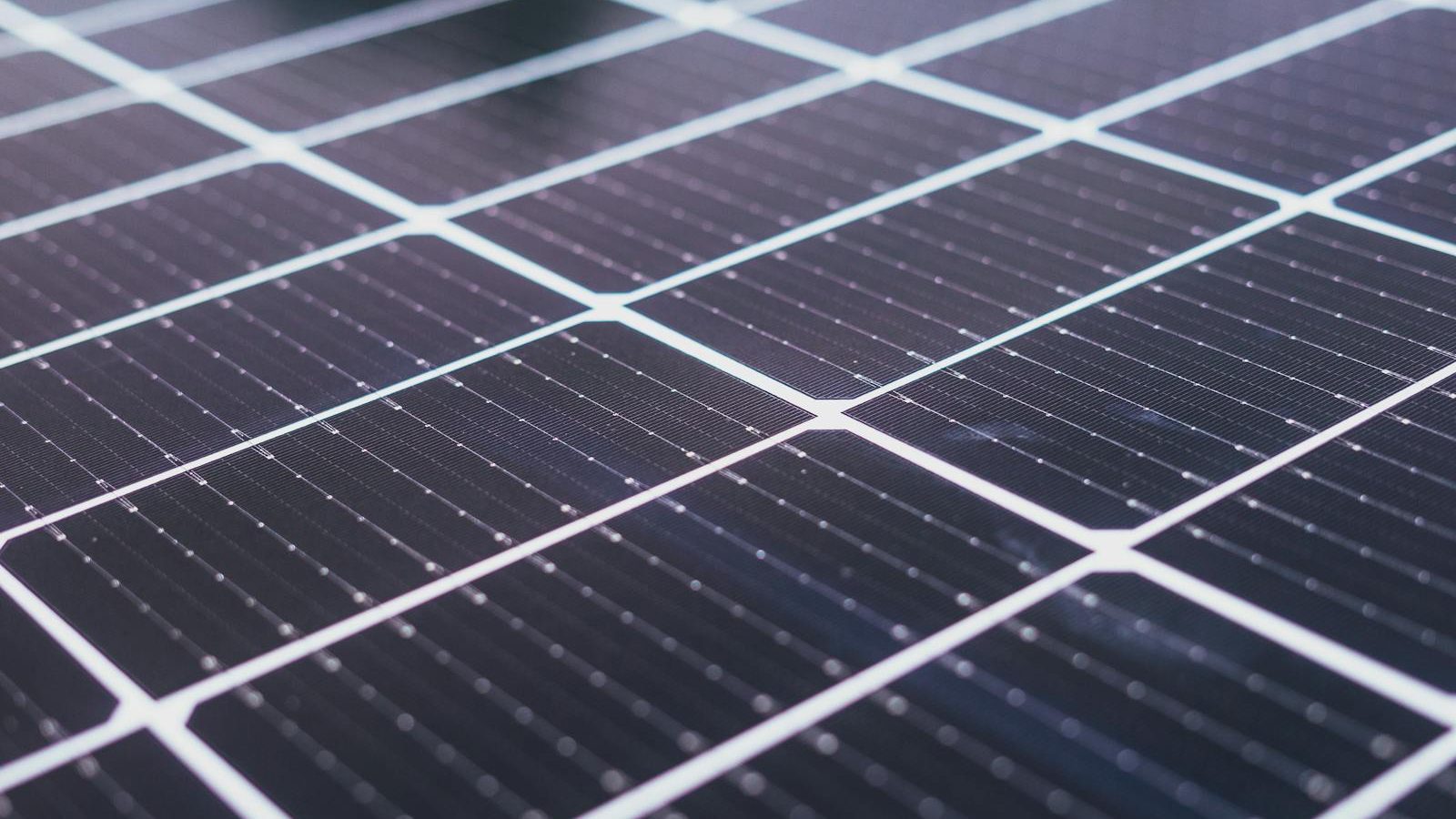
My neighbor in Portland once asked me, over the fence, whether solar panels still work on cloudy days. It is a fair question, and one I heard constantly in my community-energy days. This guide answers that and the dozen other things you probably want to know before you spend a dollar or sign a single contract on a solar system.
Back when I ran community workshops on rooftop solar, the first question was almost never about wattage or efficiency. It was usually something like, “Wait, does this thing run my fridge at night?” or “Will my roof catch fire?” Solar has a reputation for being complicated, and the industry, honestly, has not always helped. So let us strip it back to basics. By the end of this article you should be able to read a solar quote without your eyes glazing over.
What a Solar Panel Actually Is
A solar panel, sometimes called a photovoltaic module or just “PV”, is a flat rectangle made of dozens of small silicon cells sandwiched between a sheet of tempered glass on top and a protective backing underneath. When sunlight hits those cells, electrons in the silicon get knocked loose, and that movement of electrons is, quite literally, electricity. No moving parts, no fuel, no combustion. Just photons in, electrons out.
A single residential panel today is typically around 65 by 40 inches and weighs about 40 to 50 pounds. It produces somewhere between 380 and 450 watts under ideal lab conditions. In the real world, on your real roof, on a real Tuesday in March, you will see less than that. More on why in a minute.
The cells themselves come in two common flavors. Monocrystalline cells are made from a single silicon crystal and look uniformly dark, almost black. They are slightly more efficient and a bit pricier. Polycrystalline cells are made from melted silicon fragments and have a speckled blue appearance. They are cheaper but take up a touch more roof space for the same output. For most homeowners in 2026, mono is the default, and the price gap has shrunk a lot.
What “Efficiency” Really Means
You will see panels advertised as “22 percent efficient” or similar. That number describes how much of the sunlight hitting the panel gets converted into usable electricity. The rest becomes heat or gets reflected. Twenty-two percent sounds low until you realize the sun is dumping roughly 1,000 watts per square meter of energy on a clear day at noon. Capturing a fifth of that, for free, for 25 years, is a pretty good deal.
How Panels Fit Into a Whole System
Here is where people often get confused. A solar panel by itself does not power your house. It produces direct current (DC) electricity, but your toaster, your laptop, and your refrigerator all run on alternating current (AC). You need a few other pieces to make the magic happen.
- Inverter: Converts DC from the panels into AC that your home and the grid can use. This is often the most failure-prone component, so warranty matters.
- Racking and mounting hardware: The aluminum rails and brackets that bolt panels to your roof. Boring but important. Bad racking causes leaks.
- Disconnects and breakers: Safety switches required by code so firefighters and utility workers can cut power.
- Optional battery: Stores excess electricity for use at night or during outages. Adds significant cost, often $8,000 to $15,000 installed.
- Net meter: A meter installed by your utility that tracks electricity flowing both into and out of your home.
When the sun shines, your panels produce power. Your home uses what it needs in real time, and any extra flows out to the grid, where (in most US states) your utility credits you for it. At night or on cloudy stretches, you pull from the grid as usual. If you want a deeper walk-through of the whole flow, I wrote a piece on how rooftop solar actually works that goes step by step.
The thing nobody tells you upfront: a grid-tied system without a battery will shut off during a blackout, even if it is sunny. This is a safety feature, not a bug. It prevents your panels from electrocuting line workers who are trying to fix the outage. If keeping the lights on during storms matters to you, that is the case for adding a battery, or for considering an off-grid setup entirely.
What Affects How Much Power You Get
This is the part where solar starts to feel less like a product and more like, well, gardening. Several variables determine how much electricity your specific roof, in your specific town, will actually generate.
Sunlight hours. Phoenix gets roughly 6 peak sun hours per day on average. Seattle gets closer to 3.5. Same panels, almost double the output in Arizona. This is why solar payback periods vary so much by region.
Roof orientation and tilt. In the northern hemisphere, south-facing roofs produce the most. East and west work too, just with maybe 15 to 20 percent less annual output. North-facing? Usually a no-go. A pitch between 15 and 40 degrees is the sweet spot for most US latitudes.
Shade. Even partial shade on one panel can drag down the output of a whole string, depending on the inverter setup. That cute oak tree might cost you real money. Microinverters or power optimizers help, but the best fix is still trimming or relocating panels.
Temperature. Counterintuitively, panels actually lose efficiency as they get hot. A 100 degree day produces less per panel than a crisp 60 degree day with the same sunlight. Solar likes cool and sunny, not hot and sunny.
What It Actually Costs in 2026
National averages are slippery, but here is a rough picture. A typical 7 kilowatt residential system in the US runs about $18,000 to $25,000 installed before incentives. After the 30 percent federal tax credit (currently available through at least 2032 under existing law), that drops to roughly $12,600 to $17,500. State and utility incentives can push it lower.
To put that against your electric bill: the US average residential electricity rate is around $0.16 per kWh as of early 2026, with significant variation. California hits $0.32+, while parts of the Midwest are closer to $0.11. A 7 kW system in a sunny state might produce 10,000 to 12,000 kWh per year. Multiply that by your local rate and you get your annual savings. Payback periods in 2026 typically land between 7 and 12 years, with panels warrantied for 25 years or more.
I will be honest, the upfront sticker price is what stops most people. Loans and PPAs (power purchase agreements) exist to spread the cost, but read the fine print. A 20-year loan at a high interest rate can erase your savings entirely. Cash purchase, when possible, gives the best return.
Is Solar Right for Your Specific Situation
Rooftop is not the only option, and it is not right for everyone. A few honest checkpoints:
- If you rent, rooftop solar is usually not a fit. Look into community solar subscriptions instead.
- If your roof is more than 15 years old, replace it first. You do not want to uninstall panels in five years to redo shingles.
- If you have heavy shade, consider ground-mounted panels in the yard, or skip solar and invest in efficiency upgrades that pay back faster.
- If you live somewhere rural with unreliable grid power, or you are building a cabin, an off-grid system might make more sense. I covered the trade-offs in when off-grid solar makes sense for a home.
- If you just want to dabble or take solar camping, a small portable solar kit is a great low-commitment entry point.
One last thing I tell every workshop group: do not let any installer rush you. Get at least three quotes, ideally from local companies who have been around more than five years. Ask to talk to past customers. Ask about who handles warranty service if the original installer goes out of business (this happens more than you would think). A good solar installation is a 25-year relationship, not a transaction.
Solar is one of the few home upgrades that pays you back, quietly, every single day, for decades. The hardest part is just getting through the learning curve. You are most of the way there already.
Take your time. Read your electric bill. Look at your roof on Google Maps from a satellite view. Talk to neighbors who already have panels. You do not need to be an electrical engineer to make a smart decision here. You just need to ask the right questions, and now you know what they are.
Frequently asked questions
Do solar panels work on cloudy days?
Yes, just at reduced output. On an overcast day, panels typically produce 10 to 25 percent of their rated capacity, depending on cloud thickness. Diffuse light still contains usable photons. Snow cover is more of an issue because it physically blocks the cells, but most panels shed snow within a day or two once the sun returns and the glass surface warms up.
How long do solar panels last?
Most quality panels carry a 25-year performance warranty, guaranteeing roughly 80 to 87 percent of original output at year 25. Actual lifespan often exceeds 30 years. The inverter is the weaker link, typically lasting 10 to 15 years before needing replacement, which costs around
Frequently asked questions
,500 to ,000. Batteries, if you have them, generally last 10 to 15 years as well.
Will solar panels damage my roof?
When installed correctly, no. Panels can actually protect the shingles underneath from UV and weather. The risk is poor installation that creates leaks at the bolt penetrations. This is why hiring an experienced installer matters. Ask for their flashing method, their roof warranty terms, and whether they coordinate with your roofer. A reputable installer carries insurance covering any roof damage they cause.
Can I install solar panels myself?
Technically yes for off-grid or small portable systems, but for grid-tied rooftop systems it is rarely worth it. You need permits, utility interconnection approval, electrical inspection, and usually licensed electrician sign-off. DIY also voids most equipment warranties and disqualifies you from many state incentives. The labor savings often disappear once you factor in permit fees, mistakes, and lost rebates. Most homeowners come out ahead hiring a pro.
How much roof space do I need for solar?
A rough rule of thumb is about 60 to 80 square feet per kilowatt of solar capacity. So a 7 kW system needs roughly 420 to 560 square feet of usable, sun-exposed roof. That usually fits on a single section of a typical American home, though chimneys, vents, and skylights eat into available space. Your installer will do a precise layout based on satellite imagery and an on-site visit.
What happens to solar panels when they wear out?
Panel recycling is a growing industry. About 95 percent of a panel by weight (glass, aluminum frame, copper wiring, silicon) can be recovered. Several US and European companies now specialize in PV recycling, and the EU mandates it. In the US, recycling infrastructure is still catching up, but most installers can point you to a facility. Expect a small disposal or recycling fee at end of life, typically to per panel.
Read next in Solar Basics
If this guide was useful, these two neighbouring pieces will fill in the surrounding context:
Sources and further reading
For the underlying data behind the numbers in this guide, and for the standards, incentive programs, and safety rules referenced throughout, see:
Related guides
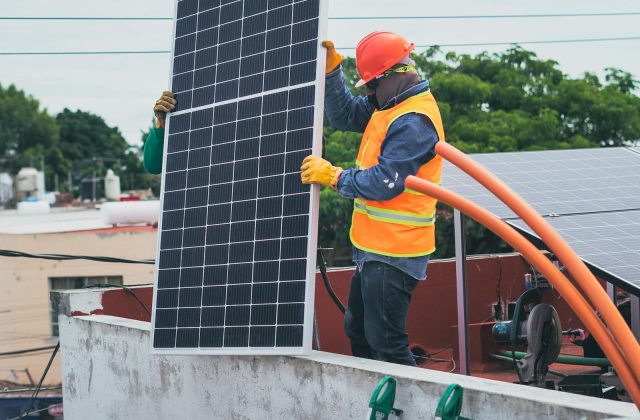
How to Read a Solar Installer Quote Without Getting Lost
A solar quote can look like a 20-page wall of acronyms, model numbers, and disclaimers. It does not have to. Every proposal follows roughly the same shape, and once you know what…
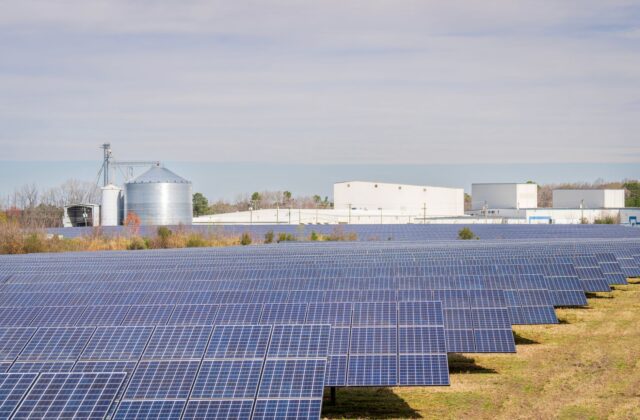
Rooftop Solar vs Community Solar: A Plain-English Comparison
The roof was 27 years old, mostly north-facing, and shaded by a pair of Douglas firs that the owner had no intention of removing. I was helping a friend price a rooftop…
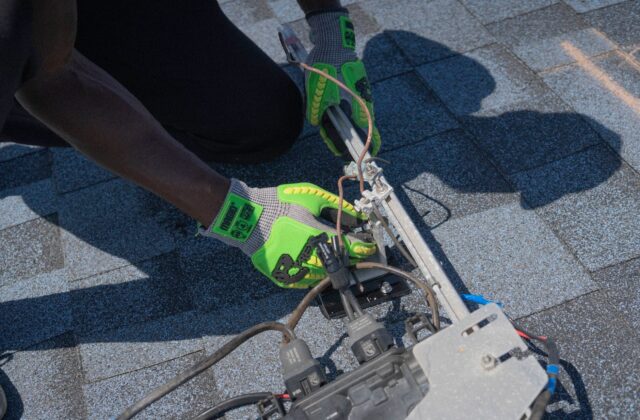
Solar Permits and Interconnection: What to Actually Expect
The panels went up on my friend Rina's roof in Southeast Portland on a Tuesday in June. Her system did not produce a single kilowatt-hour until late August. Ten weeks, and only…