What to Do When Your Solar Output Drops in Winter
The first winter with solar can be unsettling. Daily numbers shrink, your monitoring app shows long flat stretches, and it is easy to wonder if something broke. Most of the time, nothing…

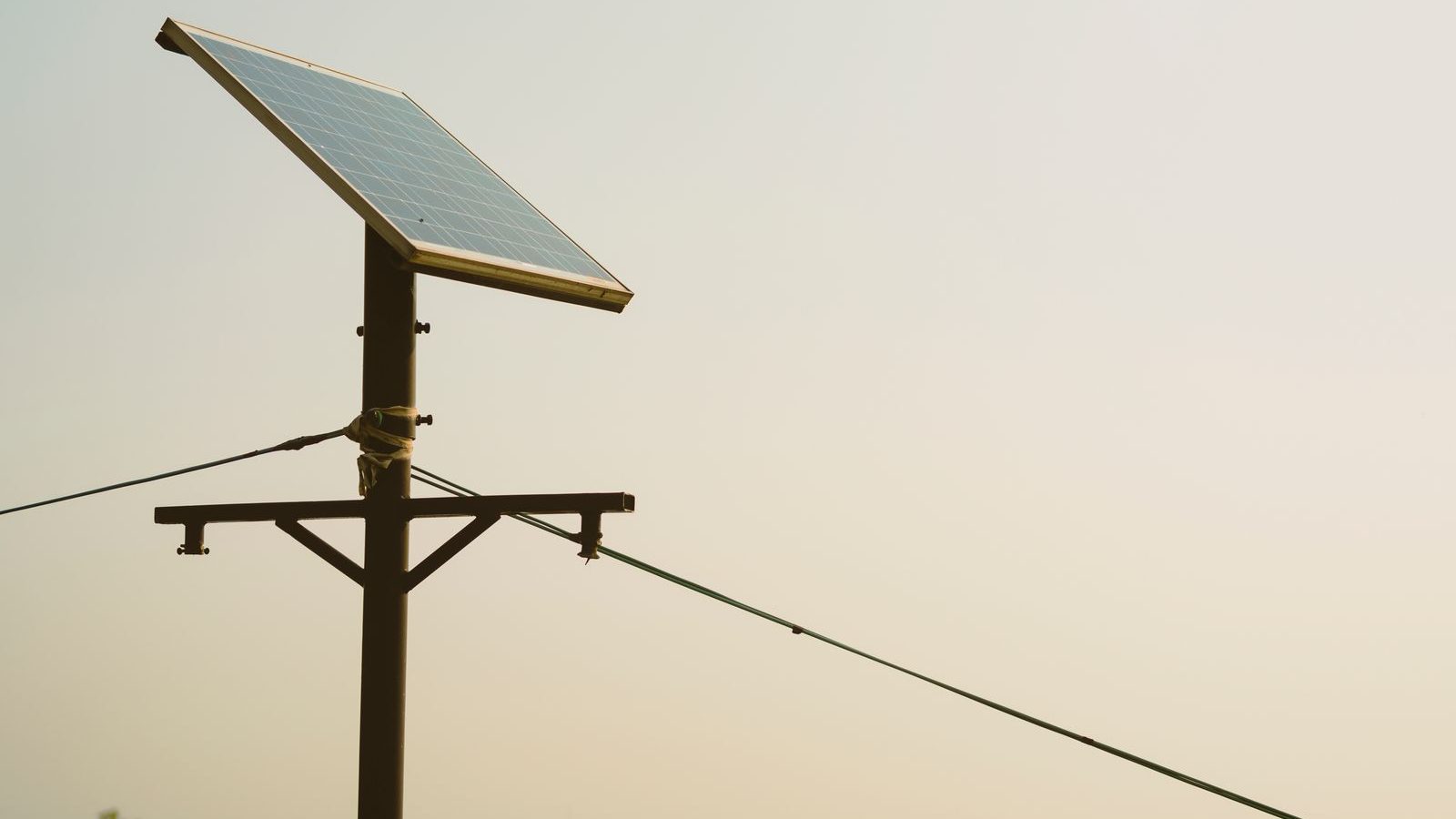
The first winter with solar can be unsettling. Daily numbers shrink, your monitoring app shows long flat stretches, and it is easy to wonder if something broke. Most of the time, nothing is wrong. Winter output is supposed to drop, sometimes by a lot. This guide walks you through what is normal, what is not, and what to actually do about it.
Why winter output is supposed to drop (set baseline expectation)
The first thing to understand is that a winter dip is not a malfunction. It is the entire reason solar people obsess over the word “annual” when they talk about production. Your system was designed around a full year of sunshine, not a single month. If you only look at January numbers in isolation, you will scare yourself for no reason.
Three things shrink your output between roughly November and February in the northern hemisphere (flip the months south of the equator). Days are shorter, so the panels have fewer working hours. The sun sits lower in the sky, so light hits the panels at a steeper angle and less energy lands per square meter. And weather patterns favor clouds, fog, rain, and snow in many regions, which cuts available light further.
Typical seasonal ranges for a grid-tied rooftop system look something like this:
- A sunny southern US or southern European array might produce 60 to 75 percent of summer output in midwinter.
- A mid-latitude array (northern US, central Europe) often runs at 30 to 50 percent of summer output in December and January.
- A high-latitude or cloudy maritime climate (Pacific Northwest, UK, Scandinavia) can dip to 15 to 30 percent of summer peak during the darkest weeks.
If your numbers land somewhere in these bands and your system was sized for your latitude, you are seeing physics, not a problem. The article on how rooftop solar actually works walks through why sun angle matters so much, if you want the underlying picture.
When the drop is normal vs concerning
The cleanest way to tell normal from concerning is to compare apples to apples. Do not compare this December to last June. Compare this December to last December, or to your installer’s first-year production estimate for that month.
Most monitoring apps will show you a “compare to last year” view if you have been running long enough. If you are in year one, ask your installer for the projected month-by-month production curve they used when they sized your system. That curve is your baseline.
Probably normal:
- Daily output that is 30 to 60 percent of your summer peak in the darkest weeks.
- Several consecutive overcast days producing very little, especially in mid-winter.
- A monthly total within 10 to 15 percent of the same month last year, or your installer’s estimate for that month.
- Production starting later in the morning and stopping earlier in the afternoon as days shorten.
Worth investigating:
- A monthly total more than 20 percent below the same month last year, with no obvious weather difference.
- A specific panel or string producing far less than its neighbors on the same day.
- Output dropping suddenly and staying flat at zero, even on a sunny winter day.
- Inverter error codes, repeated breaker trips, or any physical damage you can see from the ground.
If you are in the second list, the step-by-step in troubleshooting low solar panel output is the next stop. It walks through shading, dirt, inverter checks, and wiring in order.
Snow on panels: when to leave it, when to clear, how to clear safely
Snow is the most dramatic-looking winter issue, but it is usually less of a long-term problem than homeowners fear. Most rooftop arrays are tilted enough, and dark enough in color, that snow slides off within a day or two of clearing skies. Panels warm up quickly in direct sunlight, even when air temperatures are below freezing, because the dark surface absorbs heat efficiently.
Leave it alone when:
- The snow is light, dry, and the forecast shows sun within 24 to 48 hours.
- Your roof is steep, icy, or otherwise dangerous to access.
- The amount you would recover (a few kilowatt-hours over a few days) is not worth the risk of a fall.
Consider clearing when:
- You are in a region where snow stays for weeks and you can see the bottom edge of the panels already partially melted (gravity will do the rest with a small assist).
- A heavy, wet snowfall has piled deep enough that it will not slide on its own.
- You have safe ground-level access and the right tool.
If you do clear, use a soft-bristle roof rake designed for solar panels (or a foam-head snow rake) on a long extension pole, working from the ground. Never use a metal shovel, hard plastic, or anything abrasive. Glass is durable but the anti-reflective coating is not. Pull snow downward in light strokes; do not push or scrape. Avoid climbing the roof in winter conditions unless you are trained and equipped for it.
Shorter days and lower sun angle (math made simple)
Here is the simple version of why winter cuts production so hard, without any trigonometry.
In summer, the sun rises early, sets late, and tracks high across the sky. Your panels might see 14 to 15 hours of useful daylight, with the sun nearly overhead at midday. The light hits the panel surface close to straight-on, which delivers the most energy per square meter.
In winter, the sun rises later, sets earlier, and tracks low across the southern sky (in the northern hemisphere). You might only see 8 to 9 hours of useful daylight, with the sun never getting more than 25 or 30 degrees above the horizon at solar noon, depending on your latitude.
Two effects stack:
- Fewer hours: roughly 40 to 50 percent less daylight available to work with.
- Steeper angle: the same square meter of panel intercepts noticeably less light because the sun is hitting it at a slant. This alone can cost another 20 to 40 percent.
Multiply those together and you get the deep winter dip many homeowners notice. It is geometry, not a fault, and it reverses itself as the days lengthen.
If output is still low after snow melts (other causes)
If you have ruled out snow and the seasonal dip still feels excessive, a few winter-specific issues are worth a look.
New shading you missed in summer. The sun is so low in winter that shadows reach much farther. A neighbor’s house, a chimney, or a tree that never touched your array in July might cast a long shadow across it at 11 a.m. in January. Watch the roof at solar noon on a sunny winter day and note where any shadows fall.
Wet leaves or debris pinned by snow. Autumn debris can get plastered onto panels by the first wet snow and stay there. Once the snow melts, check for stuck leaves, pine needles, or bird droppings near the bottom edges. A gentle hose rinse from the ground on a mild day usually clears it. A simple seasonal cadence, as covered in solar panel maintenance for busy homeowners, prevents most of this from building up in the first place.
Cold-related inverter throttling. Solar panels actually produce slightly more voltage when cold, which is normally a good thing. Very rarely, on extremely cold mornings, that voltage can briefly exceed what the inverter wants to see, and it will throttle output for safety. This is uncommon and self-correcting, but if you see consistent midmorning gaps on cold sunny days, mention it to your installer.
Monitoring or Wi-Fi outages. Cold and storms can knock home networks offline, and the inverter’s gateway loses connection. Production may be fine; the data just is not reaching the app. Restart your router and the gateway before assuming the worst.
When to escalate
Most winter worries resolve themselves with a calm comparison to last year’s numbers or your installer’s projection. A few situations are worth picking up the phone for.
Call your installer or a qualified solar technician if:
- Your monthly total is more than 20 to 25 percent below the same month last year, and you cannot trace it to weather, new shading, or snow cover.
- A specific panel or string is producing dramatically less than the others on the same sunny day, and it stays that way after a clean.
- You see physical damage from the ground: cracked glass, a panel that has shifted, a hanging cable, or scorching near a connector.
- Your inverter shows persistent error codes after a normal restart, or a breaker on the solar circuit keeps tripping.
- You are inside a production guarantee window with your installer and the year’s totals are heading well below the guaranteed range.
Before you call, take screenshots of your monitoring app showing the dip and a healthy comparison period. Note the dates, recent weather, and anything you have already checked. A good technician can usually diagnose the issue in one visit when you arrive with that context in hand. Keep your install paperwork and warranty terms nearby; both make the conversation faster and protect your coverage.
Frequently asked questions
How much should my solar output drop in winter compared to summer?
It depends heavily on your latitude. Sunny southern regions might keep 60 to 75 percent of summer output in midwinter. Mid-latitude homes (northern US, central Europe) typically see 30 to 50 percent. Cloudy or high-latitude places can dip to 15 to 30 percent during the darkest weeks. Compare this December to last December, not to June, to know if your system is healthy.
Should I climb on my roof to clear snow off my panels?
No, almost never. A snowy or icy roof is one of the most dangerous surfaces in home maintenance, and the few kilowatt-hours you would recover are not worth a serious fall. Most rooftop arrays shed snow on their own within a day or two of sunny weather. If clearing is truly worthwhile, use a soft-bristle roof rake from the ground or hire a service.
Do solar panels work at all when covered in snow?
A thin dusting of snow will reduce output but not stop it, since some light still passes through. A thick blanket effectively brings production to near zero until enough melts or slides off. The good news is that panels warm up quickly in sunlight even when air temperatures are below freezing, so snow usually clears itself within 24 to 48 hours of clear skies.
Why does my system produce more on a cold sunny day than a hot one?
Solar panels are slightly more efficient at lower temperatures. Their voltage rises as the cells get cooler, which means a clear cold day in January can sometimes produce more per hour than a hazy hot day in August. The hours of available daylight are still much shorter in winter, so daily totals are lower overall, but peak midday output can be impressively strong.
Will adjusting my panel tilt help in winter?
For fixed rooftop arrays, no, you cannot easily change the tilt. Most home systems are installed flush with the roof at whatever pitch the roof already has, which is a reasonable year-round compromise. Ground-mounted systems on adjustable racks can be tilted steeper in winter to catch the lower sun, but this is a manual adjustment most homeowners only bother with on off-grid setups.
When should I actually call my installer about a winter drop?
Call when the drop cannot be explained by weather, season, snow, or shade. Specifically: a monthly total more than 20 percent below the same month last year, a single panel producing far less than its neighbors, visible damage, persistent inverter errors, or repeated breaker trips. Bring screenshots from your monitoring app showing the dip and a healthy comparison period to speed the diagnosis.
Read next in Solar Basics
If this guide was useful, these two neighbouring pieces will fill in the surrounding context:
Sources and further reading
For the underlying data behind the numbers in this guide, and for the standards, incentive programs, and safety rules referenced throughout, see:
Related guides
Rooftop Solar vs Community Solar: A Plain-English Comparison
The roof was 27 years old, mostly north-facing, and shaded by a pair of Douglas firs that the owner had no intention of removing. I was helping a friend price a rooftop…
Choosing the Right Solar Inverter Without Overpaying
A reader emailed me last month asking why one quote listed a $1,200 inverter and another listed a $4,800 one for the same size system. Both installers swore theirs was the right…
When Off-Grid Solar Actually Makes Sense for a Home
Going off-grid sounds romantic until you price out the batteries. For some homes, cutting the power line is the smartest move on the table. For others, it is an expensive way to…