Scenario: Falling for an Influencer Energy Pitch
Marcus is 32, lives in a rented duplex outside Phoenix, and pays roughly 180 dollars a month for electricity in summer. He saw a 90 second video of a smiling creator standing…

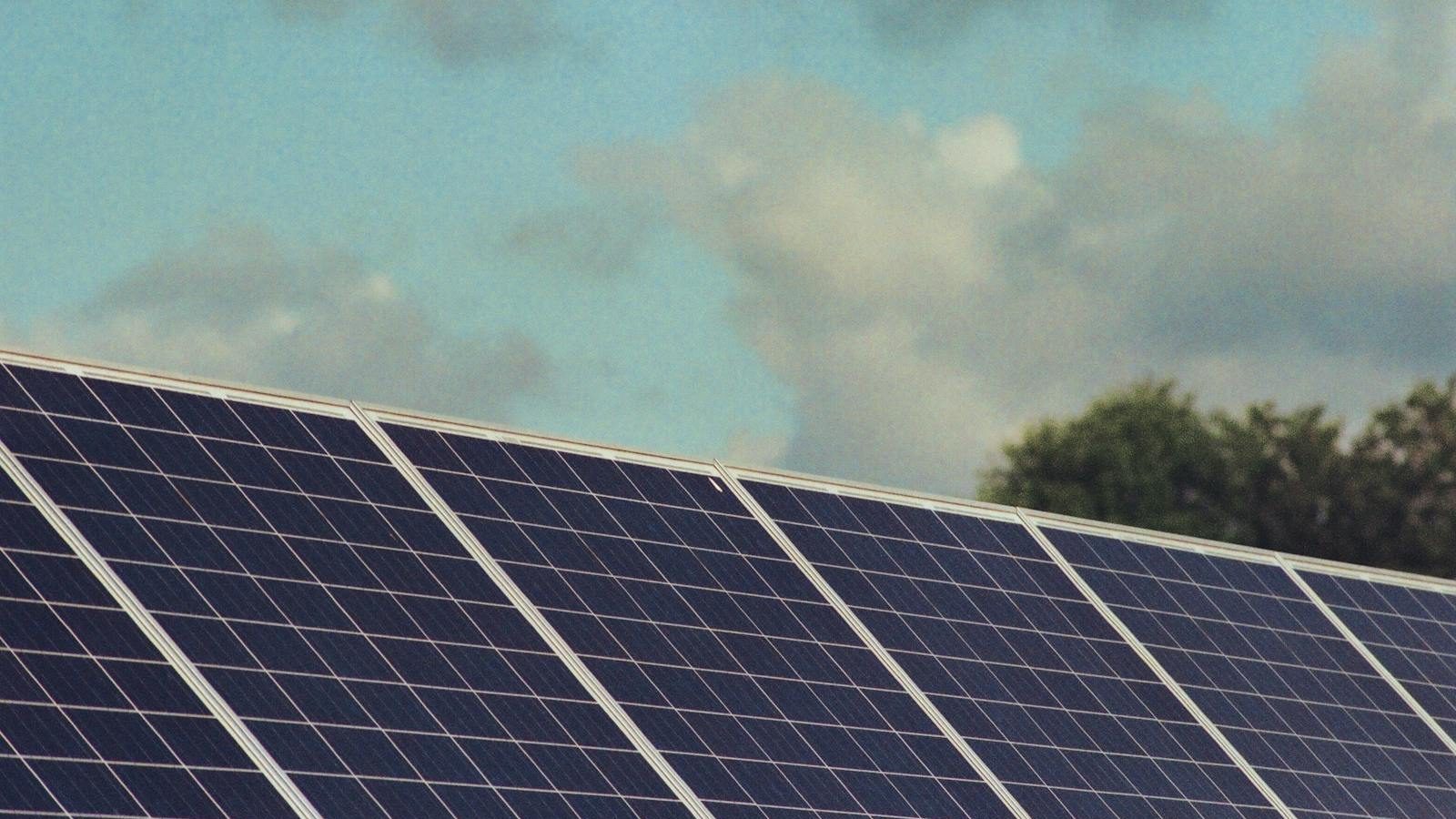
Marcus is 32, lives in a rented duplex outside Phoenix, and pays roughly 180 dollars a month for electricity in summer. He saw a 90 second video of a smiling creator standing next to a folding solar panel saying “I am powering my whole house with this 400 dollar kit.” He ordered the same one that night. This is what happened next, and what the video left out.
Marcus called me about a week after the box arrived. He had set everything up in his backyard, plugged his fridge into it, and watched the battery die in under two hours on a sunny afternoon. His exact words were, “I feel really stupid right now.” He was not stupid. He was a normal person who watched a confident creator in good lighting and trusted that the math worked out. It did not, and the gap between the video and reality is the kind of thing nobody talks about because nobody wants to admit they fell for it. So let us walk through Marcus’s three weeks honestly, because the same script is running in someone else’s living room tonight.
Marcus’s setup at home: what he thought he was buying
Marcus rents the right half of a small duplex with two bedrooms, a kitchen, a living room, and a stacked washer-dryer closet. His electricity bill in July last year was 184 dollars, and the bill is what pushed him to start watching solar content on his phone in the evenings. The algorithm did what algorithms do, and within a week his feed was wall to wall solar creators showing off compact panels, suitcase-style folding kits, and what they all called “off-grid power stations.”
The video that finally got his credit card was a 90 second clip of a guy in his 20s standing in a driveway next to a 200 watt folding solar panel and a portable power station that looked roughly the size of a small cooler. The caption read something like “I haven’t paid a power bill in 8 months.” The creator showed himself plugging a refrigerator, a TV, and a phone charger into the unit and said, “this 400 dollar setup runs my whole house.” There were 60,000 likes. The comments were full of people saying they had just ordered the same thing.
Marcus thought he was buying a system that would replace, or at least significantly reduce, his electricity bill. In his head, he pictured the panel sitting in his backyard, the power station sitting in his kitchen, his fridge plugged into it instead of the wall, and the meter slowing down. The 400 dollar number felt almost too good, but the video was so confident and the comments were so glowing that he convinced himself the catch was small. He ordered the kit with a single click and felt good about it for about four days.
What actually arrived (and what was missing)
The box landed on a Tuesday. Inside was a 200 watt folding solar panel about the size of a laptop bag, a portable power station rated at 500 watt-hours of storage with a 600 watt continuous output, a short MC4 to DC cable, and a thin instruction sheet in three languages. The whole thing weighed about 18 pounds. Marcus told me later that opening the box was the moment something started to feel off. It was smaller than he expected, and the printed specifications on the side of the power station did not match the picture in his head.
What was missing is the part that matters. There was no inverter sized for whole-house loads. There was no transfer switch. There were no extra batteries. There was no wiring to connect anything to his actual house panel. There was no way, with what came in the box, to power his refrigerator continuously. The kit was a portable power station with a single solar panel, which is a useful thing for camping or a brief power outage, but it is not a home energy system. The creator in the video had not lied outright. He had just left out every piece of context that would have made the math obvious.
Marcus set the panel up in the backyard on his first sunny morning, ran a long extension cord into the kitchen, and plugged his fridge into the power station. The fridge ran. He felt great for about an hour. Then he checked the battery percentage and saw it had dropped from 100 to 47. By the end of the second hour, the unit shut off and the fridge clicked silent. The panel was still in the sun. The math, which he had not done, was about to introduce itself.
The math the influencer skipped
Here is what the video left out, and what I walked Marcus through on a phone call with a calculator open on both ends. I helped him spreadsheet the real numbers, which is usually the moment people stop feeling fooled and start feeling annoyed instead.
His refrigerator is a standard 18 cubic foot top freezer model, about 8 years old. On the yellow EnergyGuide label, it is rated at roughly 450 kilowatt-hours per year, which works out to about 1.23 kilowatt-hours per day, or about 51 watts averaged over 24 hours. That sounds small until you remember the fridge does not run at 51 watts constantly. It runs at about 150 watts when the compressor kicks on, then turns off, then kicks on again. Over a day, those cycles average to 1.23 kilowatt-hours.
The power station Marcus bought stores 500 watt-hours total, which is 0.5 kilowatt-hours. His fridge alone needs 1.23 kilowatt-hours per day. That means the power station, fully charged, holds less than half a day of fridge energy. Not the whole house. Not most of his appliances. Less than half of one refrigerator’s daily use.
The solar panel side is worse. A 200 watt panel under perfect sun, perfectly angled, perfectly clean, with no shade and no wiring losses, produces 200 watts at noon. Over a full day in Phoenix in July, that panel might generate 1.0 to 1.4 kilowatt-hours of actual energy. In other words, the panel can barely keep up with the fridge alone, and only on a clear summer day. On a cloudy day, or in winter, the number drops to half that.
Marcus’s whole-house electricity use in July averaged about 40 kilowatt-hours per day. His kit, if it ran perfectly all day, could supply somewhere between 2 and 4 percent of his daily energy use. The creator in the video was either lying, deeply confused about what his own equipment did, or living in a tiny home with almost no appliances and not mentioning it. Marcus paid 400 dollars for a kit that, on paper, could offset roughly 4 to 8 dollars a month of his electricity bill. The payback period was longer than the lifetime of the battery.
What it would actually cost to do what the video showed
This is the part where most articles get vague, so let us be specific. To actually power a typical house the way the video implied, here is the realistic shape of the system.
You would need roughly 6 to 10 kilowatts of solar panels, which at residential prices runs about 15,000 to 25,000 dollars installed before tax credits. You would need a battery system large enough to carry overnight loads, which for one fridge plus normal evening use is at least 5 to 10 kilowatt-hours of storage, running 6,000 to 14,000 dollars installed depending on chemistry and brand. You would need an inverter sized for the full house load, a transfer switch, permits, an electrician, and either a grid-tie agreement with the utility or a true off-grid design with backup generation for cloudy stretches.
A realistic budget for a home that genuinely runs on solar with battery backup, similar in size to Marcus’s duplex, lands somewhere between 25,000 and 45,000 dollars before incentives. Even after federal tax credits and state incentives in some areas, the net cost is rarely under 18,000 dollars. The 400 dollar kit is not a smaller version of this system. It is a fundamentally different product category, like comparing a bicycle to a moving truck. Both move things. Only one moves furniture.
What Marcus did instead
After we ran the numbers, Marcus had a choice to make. He could return the kit, eat the restocking fee, and move on. He could keep it as a camping or outage backup, which is what it was actually designed for. Or he could throw good money after bad and start buying more panels and batteries to chase the dream the video sold him. I told him the third option was a trap, and he listened.
What he did was keep the kit for emergencies. Phoenix had a grid stress event two summers ago, and he liked the idea of having a way to keep his phone charged and a small fan running through a few hours of outage. The kit is genuinely good for that purpose. It cost him 400 dollars instead of the 50 to 80 dollars a smaller, more honest emergency unit would have cost, but he decided the lesson was worth the difference.
Then he did the unglamorous work that actually moves a bill. He bought a smart plug with an energy monitor and ran it through every appliance in the duplex for two weeks. The biggest surprise was an old desktop PC he had left on 24 hours a day for years, pulling about 80 watts continuously, which worked out to roughly 12 dollars a month. He started turning it off. He raised his thermostat from 74 to 78 in summer with a tower fan in the living room. He swapped the four most-used light fixtures to LEDs. He moved his laundry to cold water and started running the dishwasher only when it was full.
None of these changes are dramatic. None of them would make a 90 second video. But over three months, his bill dropped from 184 dollars in July to 142 dollars in August to 128 dollars in September. The savings were about 50 dollars a month at peak, or roughly 350 dollars over the four hottest months of the year. He spent under 60 dollars on smart plugs, LED bulbs, and a tower fan to get there. If you want to see the full pattern of what creators tend to leave out of their pitches, our piece on five marketing claims that look honest but aren’t walks through the most common ones in plain language.
The pattern to watch for in any energy creator
Marcus’s experience is not unusual, and it follows a script you can spot in advance once you know what to look for. I have watched dozens of these videos with a notepad open, and the same handful of tricks come up over and over.
The first is the missing context. The creator stands in a driveway, a yard, or a sunny patio, and shows the system working in the best possible moment. There is no mention of cloudy days, winter, shade, wiring losses, battery degradation, or the actual size of the loads being powered. The video shows one bright minute and lets you imagine the other 23 hours.
The second is the size mismatch between the equipment and the claim. A 400 dollar kit cannot power a house. A single 100 watt panel cannot run an air conditioner. A 500 watt-hour battery cannot back up a refrigerator overnight. When the dollar number feels too small for what the creator is claiming, the gap is almost always filled with editing rather than physics.
The third is the absence of math. Real energy systems are described in kilowatt-hours per day, panel watts under specific conditions, and battery capacity matched to specific loads. If a video has no numbers, or only nominal numbers without context, you are watching a pitch, not an explanation. The honest creators will tell you their daily generation in a typical month, their average load, and what they had to give up to make the system work. They will not promise that 400 dollars replaces a power company. For another walk-through of how to do the simple math yourself before buying, our scenario on buying a portable power station without math covers the same patterns in a slightly different shape.
The fourth is the affiliate link in the description. Most of the creators pushing these kits earn a commission on every sale, which is not inherently wrong but is rarely disclosed clearly. The incentive structure rewards the kit that pays the highest commission, not the kit that genuinely fits your house. When the same creator pivots to a different brand six months later, that is usually why.
Marcus is fine now. The kit lives in his closet for outages, the bill is lower than it used to be, and he no longer trusts a 90 second video to design his home energy plan. He told me the most useful thing he learned was not about solar at all. It was about how confident a person can sound while leaving out everything that matters. That is a lesson worth 400 dollars, even if it stings in the moment. If you want to see the same pattern play out years later in a different product category, our piece on EV mistakes people quietly regret by year three covers what enthusiasts wish they had known before the second or third year of ownership.
The honest version of going solar, or going electric, or going off-grid, is slower and less photogenic than the videos suggest. It involves spreadsheets, utility bills, climate data, a conversation with a licensed installer, and a budget that probably starts with a number you did not want to see. Nobody films that part because it does not get likes. But it is the only part that actually changes what your meter reads at the end of the month.
Frequently asked questions
How can I tell if an influencer solar video is honest before I buy anything?
Look for specific numbers in context: daily kilowatt-hours generated in their actual climate, average household load, and what the system cannot run. Honest creators show winter and cloudy day results, not just sunny noon clips. If the video skips math entirely or only quotes nominal panel watts, treat it as a pitch. Also check whether affiliate links are disclosed, and whether the creator recommends the same brand they have been pushing for years or pivots when commissions change.
Are portable solar kits ever worth buying?
Yes, for the right job. They are genuinely useful for camping, van life, short power outages, and keeping a few small devices running off grid. A 400 dollar kit can comfortably power a phone, a laptop, a small fan, and some LED lights for several hours, which is a real service. The problem is when the same kit gets sold as a whole-house solution, which it cannot do. Match the size of the system to the size of the load you actually need to power.
Why can a 200 watt solar panel not run my refrigerator all day?
A 200 watt panel produces 200 watts only at peak sun, perfectly angled and clean. Over a full day, it generates about 1 to 1.4 kilowatt-hours in a sunny climate, less in cloudy conditions or winter. A typical refrigerator needs 1 to 2 kilowatt-hours per day, so the panel can barely keep up with the fridge alone, with nothing left over for storage. To run the fridge overnight you also need a battery sized to hold that energy, which adds significant cost.
What does a real home solar system cost compared to a portable kit?
A genuine residential solar plus battery setup runs roughly 25,000 to 45,000 dollars installed before incentives, depending on house size, climate, and local labor rates. After federal tax credits and any state programs, the net cost usually lands between 18,000 and 32,000 dollars. The 400 dollar portable kit is not a smaller version of this. It is a different product category designed for portable use, with about one to five percent of the generation and storage capacity of a real home system.
If I already bought a kit like Marcus did, what should I do with it?
Keep it as an outage and emergency backup, which is the job it was actually designed for. It can keep phones, laptops, lights, and a small fan running through a few hours of power loss, which is genuinely useful in storm-prone or grid-stressed areas. Do not throw more money at the system trying to scale it into a whole-house solution, because the architecture is wrong. Use the cash you would have spent on more panels to attack standby loads, thermostat settings, and lighting instead.
Where should I actually start if I want to lower my electricity bill?
Begin with a smart plug energy monitor and walk it through every appliance for two weeks to see what is actually using power. Then tackle the top three loads, which in most homes are heating and cooling, a refrigerator, and either a dryer or always-on electronics. Habit shifts like a higher summer thermostat with a fan, cold water laundry, and LED lighting usually save 15 to 30 percent of a bill with under 100 dollars of upfront cost. Real solar comes later, after the easy wins are captured.
Read next in Mistakes & Myths
If this guide was useful, these two neighbouring pieces will fill in the surrounding context:
Sources and further reading
For the underlying data behind the numbers in this guide, and for the standards, incentive programs, and safety rules referenced throughout, see:
Related guides
Lithium vs. Lead-Acid: The Honest Comparison for Beginners
A reader who was building out a small off-grid cabin asked me last spring whether the dusty pile of golf cart batteries her uncle gave her could replace the lithium pack the…
Mistakes People Make Comparing Renewable Energy Quotes
Comparing quotes is the step where most renewable energy buyers quietly lose money. The pages look similar, the totals look close, and the salesperson sounds confident, so the decision gets made on…

Common Heat Pump Myths That Cost Homeowners Real Money
A friend called me last February in a small panic. Her HVAC contractor had just told her a heat pump "quits working" below 30°F and she should cancel the install she had…