Troubleshooting Low Solar Panel Output, Step by Step
Noticing less power from your solar panels than you expected? That dip can feel worrying, but most causes are common and fixable. This guide walks through the usual suspects in plain language,…

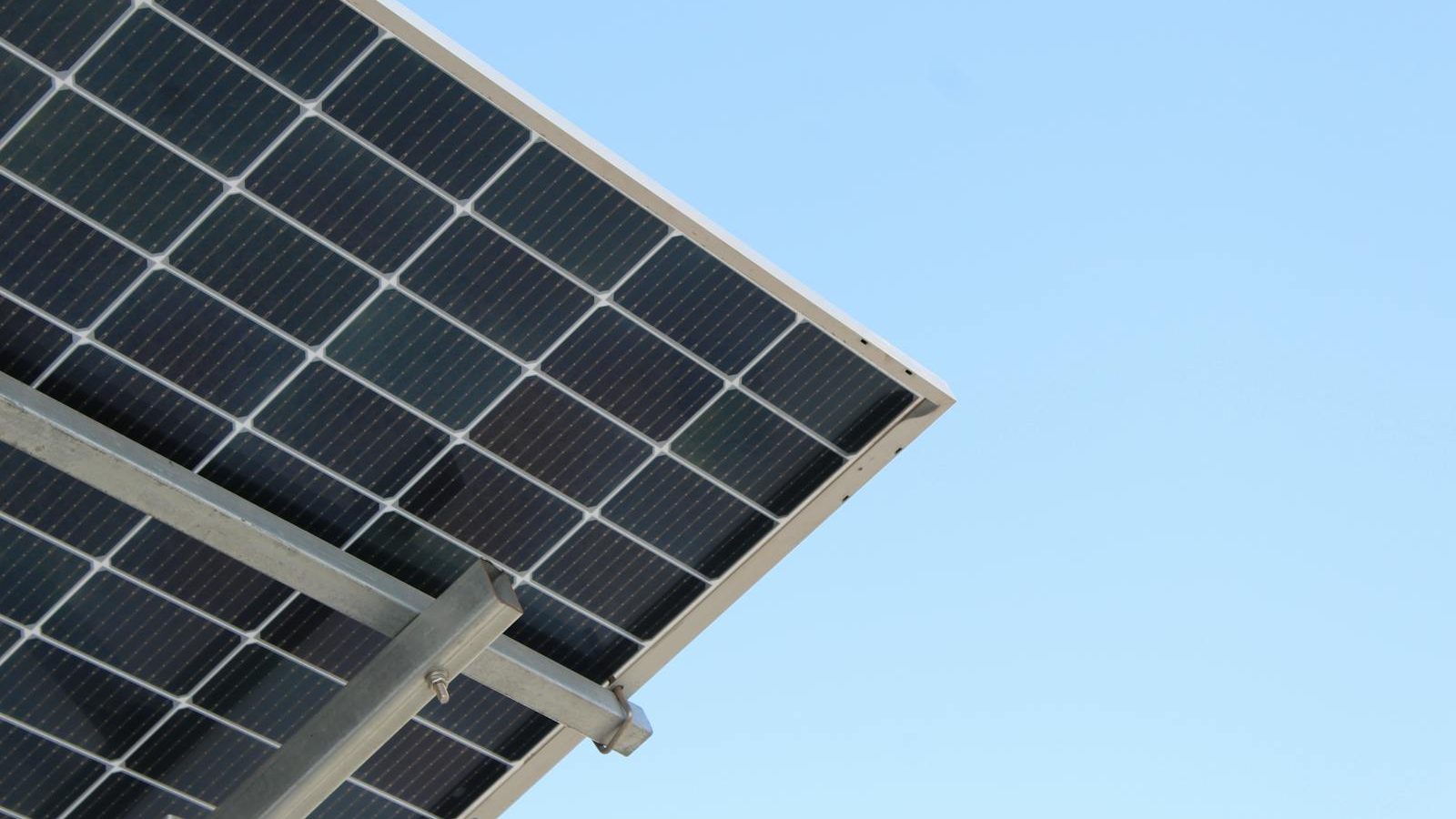
Noticing less power from your solar panels than you expected? That dip can feel worrying, but most causes are common and fixable. This guide walks through the usual suspects in plain language, so you can rule things out one by one. You will learn what to check first, when a quick fix solves it, and when to bring in a professional.
First, confirm there’s actually a problem
Before troubleshooting anything, it helps to know what “normal” looks like for your system. Solar output is naturally bumpy. It rises and falls with the sun, the season, the weather, and even the time of day. A cloudy afternoon producing 30 to 50 percent of a clear day’s output is not a malfunction, it’s physics.
Pull up your monitoring app (most inverter brands have one) and compare this week’s daily totals to the same week last year. If you don’t have a year of history yet, compare to the past few weeks, adjusting for weather. A useful rule of thumb: a typical residential array in a sunny region generates roughly 3.5 to 5 kilowatt-hours per installed kilowatt per day on average, with seasonal swings of 30 to 50 percent between summer and winter. These numbers assume south-facing panels (in the northern hemisphere), a tilt close to your latitude, and minimal shading.
If your numbers are 10 to 20 percent below expectations and you’ve ruled out unusual weather, that’s worth investigating. If they’ve dropped suddenly by 30 percent or more with no obvious cause, something is likely off and the checks below will help you find it.
For context on what a healthy system should be doing day to day, the overview in how rooftop solar actually works is a useful refresher.
Likely cause 1: Shading you didn’t notice before
Shading is the single most common reason output drops, and it can sneak up on you. A tree that was fine three years ago may now cast a long afternoon shadow. A neighbor’s new addition, a satellite dish, even a stray leaf cluster after a storm can knock a panel’s output down dramatically.
How to check:
- Look at your roof at three points in the day: mid-morning, solar noon, and mid-afternoon. Note any shadows touching the panels.
- Open your panel-level monitoring (if you have microinverters or power optimizers) and look for individual panels producing far less than their neighbors.
- Check for debris: bird nests under panels, branches resting on the array, or leaves caught in the gaps.
The fix: Trim back any branches that throw shade between roughly 9 a.m. and 3 p.m., the peak production window. Clear debris carefully from ground level using a soft brush on an extension pole; avoid walking on the roof unless you’re trained for it. If a permanent structure is now causing shade, you may need to talk to your installer about repositioning or adding power optimizers to mitigate the loss.
Likely cause 2: Dirty panels
Light dust rarely matters much, perhaps 1 to 3 percent in output. But pollen film, bird droppings, wildfire smoke residue, agricultural dust, or salt spray near coastlines can cost 5 to 15 percent or more. Panels in flatter installations and in dry climates with infrequent rain tend to lose the most.
How to check: Look at the panels from a window or with binoculars. Streaky patterns, splotches, or a uniform haze are all signs they could use a cleaning. If you have panel-level monitoring, compare clean-looking panels to dirty ones to estimate the loss.
The fix: For most homeowners, a gentle rinse from the ground with a hose (not pressure-washed) on a cool, overcast day is enough. Use a soft brush on a telescoping pole for stuck-on residue. Avoid detergents unless your installer recommends a specific one. If your roof is steep, tall, or hard to reach, hire a cleaning service that specializes in solar.
For a routine you can stick to without overthinking it, the cadence in solar panel maintenance for busy homeowners covers what to do and how often.
Likely cause 3: An inverter that’s struggling or offline
Your inverter is the unsung workhorse of the system. It converts the panels’ direct current into the alternating current your home uses. When something goes wrong with the inverter, the panels can be in perfect shape and you’ll still see zero or sharply reduced output.
How to check:
- Walk to the inverter (usually in a garage, basement, or on an exterior wall) and look at the status light or display. A solid green light typically means normal operation; flashing yellow, red, or any error code is a flag.
- Open the monitoring app and look for gaps in production, especially during midday when output should be highest. A flat line at zero from a specific date is a strong signal.
- Check your home’s electrical panel for a tripped breaker on the solar circuit.
The fix: If a breaker tripped, you can reset it once. If it trips again, stop and call a pro. For error codes, look up the code in your inverter’s manual or the manufacturer’s app, many resolve with a simple shutdown and restart (turn off the AC disconnect, wait five minutes, turn it back on). String inverters typically last 10 to 15 years, so if yours is older and failing frequently, replacement may be on the horizon.
Likely cause 4: Wiring, connections, or grid communication
Less common than shade or dirt, but worth checking once you’ve ruled those out. Connectors can loosen over years of thermal expansion. Rodents occasionally chew DC cables. And your monitoring may simply have lost its Wi-Fi connection, which makes it look like production stopped even when it didn’t.
How to check:
- Open the monitoring app and look for “communication error” or “offline” status. If you see this, the panels may be producing fine but the data isn’t reaching the app.
- Check that the home Wi-Fi or cellular gateway the inverter uses is online. Many systems have a small gateway device that can simply need a power cycle.
- From the ground, look at conduit runs and visible wiring for damage. Don’t touch anything; just observe.
The fix: Restart your router and the inverter’s gateway. If communication returns but production data shows actual losses, log the timing and contact your installer. Suspected wiring damage is always a call-the-pro situation; live DC and AC currents are dangerous without training and proper tools.
Likely cause 5: Seasonal drop or gradual degradation
Two normal phenomena can look like a problem if you’re not expecting them.
First, seasonal swing. Shorter days, lower sun angle, and weather all conspire to drop winter output. In many regions, December production runs 30 to 60 percent of June production. That’s normal, not a fault. If your output drop matches the season, you’re probably fine, and the explainer in what to do when solar output drops in winter covers what to expect.
Second, gradual degradation. Solar panels lose efficiency very slowly, around 0.4 to 0.7 percent per year for modern modules. After 10 years, that adds up to roughly 4 to 7 percent below the original rating, which is typically within manufacturer warranty thresholds. This is a slow trend on your annual totals, not a sudden drop.
How to check: Compare your annual total kilowatt-hours, year over year. A drop of 1 percent or so is expected. A larger drop year over year, with no shade or weather explanation, deserves a closer look.
When to call a professional
Walking through the checks above will resolve a surprising share of “low output” worries on their own: a dirty array, a tripped breaker, or a misread of normal seasonal drop. When the basics don’t explain it, that’s the signal to bring in an expert.
Call your installer or a qualified solar technician if:
- Output dropped suddenly by 30 percent or more and you can’t trace it to shade, weather, or dirt.
- Your inverter shows persistent error codes or fails to restart cleanly.
- A breaker on the solar circuit trips repeatedly.
- You see physical damage: cracked panel glass, scorched connectors, chewed wiring, or water staining inside an enclosure.
- Your system is under warranty and production is well below the guaranteed range; document the issue with screenshots from your monitoring before you call.
A good technician can run a detailed performance test, check string voltages, and pinpoint a faulty module or connection in a single visit. Keep your monitoring screenshots, install date, and any warranty paperwork handy; it speeds the diagnosis and protects your coverage.
Frequently asked questions
How much output drop is normal day to day?
Quite a lot, actually. Cloud cover alone can cut daily production by 30 to 70 percent compared to a clear day, and a passing storm can briefly drop output to almost nothing. What matters is the trend over weeks and months, not single days. If your weekly totals stay within 10 to 15 percent of last year’s same week, your system is behaving normally.
Will cleaning my panels really make a noticeable difference?
It depends on how dirty they are. A light film of dust costs only 1 to 3 percent, hardly worth climbing a ladder for. But heavy pollen, bird droppings, wildfire ash, or agricultural dust can cost 10 percent or more. Check your panels visually each season, and clean when you can see clear staining or your monitoring shows an unexplained dip after a dry stretch.
My inverter has a red light. Should I be worried?
Worried, no. Curious, yes. A red or flashing status light usually means an error code the inverter wants you to read. Note the code, check your inverter manual or the manufacturer app for what it means, and try a single shutdown-and-restart through the AC disconnect. If the code returns, contact your installer rather than poking at the unit yourself.
How long do solar inverters typically last?
String inverters generally last 10 to 15 years, while microinverters often carry warranties of 20 to 25 years and tend to live up to that range. If your system is approaching the older end of that window and you start seeing repeated faults, plan ahead for a replacement. It’s usually a straightforward swap that restores full performance for another decade or more.
Can I safely check anything on the roof myself?
Visual checks from the ground are completely safe and surprisingly useful. Use binoculars, watch shadows across the day, and look for debris or staining. Anything that involves climbing, touching wiring, or opening an inverter enclosure should be left to a licensed technician. Solar systems carry live DC voltage in daylight, and a fall from a roof is the bigger risk most homeowners underestimate.
How do I know if my drop is just seasonal or a real problem?
Compare this month’s production to the same month last year, not to last month. Solar output naturally swings 30 to 60 percent between summer and winter peaks depending on your latitude. If December is well below June, that is expected. If December this year is meaningfully below December last year with no shade or weather changes, that is when the troubleshooting checks above are worth running.
Read next in Solar Basics
If this guide was useful, these two neighbouring pieces will fill in the surrounding context:
Sources and further reading
For the underlying data behind the numbers in this guide, and for the standards, incentive programs, and safety rules referenced throughout, see:
Related guides
Monocrystalline vs. Polycrystalline Panels for Beginners
Almost every solar quote you read will mention monocrystalline or polycrystalline panels, sometimes both. The names sound like chemistry homework, and the marketing rarely helps. This guide breaks the choice down in…
Solar Panel Maintenance for Busy Homeowners
Solar panels are one of the lowest-maintenance pieces of equipment on your house, but lowest does not mean none. A few small habits, repeated at the right cadence, will keep your system…
An Honest Solar Payback Budget Guide for First-Timers
A woman at one of my old workshops in Eugene asked me, half embarrassed, how many years until solar "pays itself off." I told her the honest answer is that it depends…