Five Mistakes People Make With Alternative Energy
Alternative energy is exciting until the wrong assumption shows up on your power meter. I have watched homeowners spend thousands on a small wind turbine that produces almost nothing, or chain together…

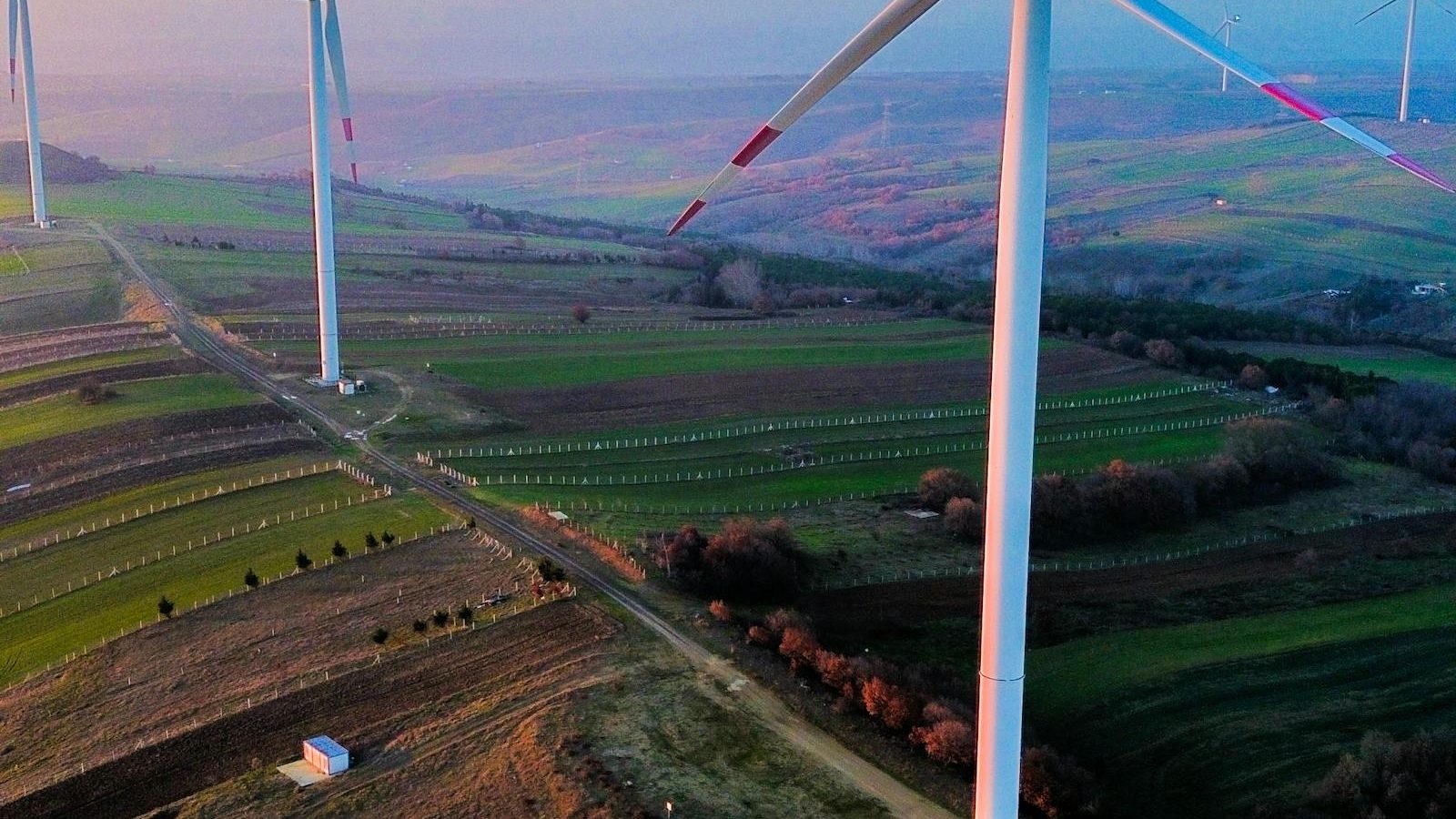
Alternative energy is exciting until the wrong assumption shows up on your power meter. I have watched homeowners spend thousands on a small wind turbine that produces almost nothing, or chain together batteries that argue with their solar inverter from day one. Most of these stories start the same way: a hopeful number, a glossy spec sheet, and one missing measurement. Here are five mistakes I see repeat, and the calmer path around each of them.
The pull toward alternative energy is genuine. Most people who reach out to me about wind, hybrid systems, or off-grid setups are not looking to brag at a dinner party. They want a quieter bill, a more independent home, and a sense that they are using less from the grid. Those are good reasons. The trouble is that the equipment market does not always reward thoughtful buyers. It rewards confident ones, and confidence is easy to manufacture with a glossy brochure and a stage photo of a turbine spinning against a sunset.
The five mistakes below are the ones I see again and again. None of them are exotic. Each one happens because the buyer trusted a number that sounded reasonable and skipped the boring step that would have proven it true. The good news is that every mistake on this list has a calm, low-cost fix if you catch it before you sign or buy.
Mistake #1: Buying a turbine before measuring wind
Of every conversation I have had about wind energy at home, this one comes up the most. Someone reads that a 1 kW small wind turbine can produce 1,500 to 2,500 kWh per year, mentally subtracts that from their bill, and orders the turbine. Six months later the meter says they made 280 kWh, and nobody can quite explain where the rest went.
Wind power scales with the cube of wind speed. That is not a marketing detail. It is the entire physics of the device. A site that averages 5 m/s produces roughly twice the energy of a site averaging 4 m/s, even though those numbers look almost identical on a weather app. Most published turbine ratings assume a steady 11 m/s (about 25 mph), which is closer to a coastal ridge than the back of a suburban yard.
The fix is unglamorous: measure first. Mount an anemometer at the height you would actually install the turbine, log the data for at least six months, and only then run the numbers. If you cannot do that, your local airport publishes hourly wind data going back years, and that is a reasonable second-best for a rough estimate. Assume your real site is 20 to 30 percent slower than the airport unless you live on an exposed hill.
For a deeper walk through what residential turbines actually deliver, my piece on small wind turbines explained for homeowners covers the wind-speed math in plain language.
Mistake #2: Sizing the system on peak load instead of average use
This one happens in almost every off-grid or hybrid conversation. The homeowner adds up the wattage of every appliance that could theoretically run at the same time, multiplies by a generous safety margin, and ends up specifying a system three or four times larger than they need. The result is a beautiful array that will never see a sunny afternoon at full output, with a battery bank that holds energy the home cannot meaningfully use.
Peak load matters for inverter sizing and surge capacity. It is not how you size the energy budget. For that you need daily and seasonal averages, ideally pulled from 12 months of utility bills or a clamp meter logger. A typical US household uses 25 to 35 kWh per day across the year, but the actual hour-by-hour pattern matters more than the daily total when you are designing a hybrid or off-grid system.
A few practical guardrails:
- Pull at least one full year of utility data so you capture summer and winter swings
- Note which loads are flexible (dishwasher, laundry, EV charging) and which are not (fridge, medical equipment)
- Design for the average week, then add a smaller buffer for the worst week, not the worst hour
- Plan to shed flexible loads during low-production stretches rather than building the system around them
Oversized systems are not just expensive. They are also wasteful, because surplus production that has nowhere to go is the same as no production at all once your batteries are full and your inverter cannot export.
Mistake #3: Skipping a proper battery sizing review
Batteries are the most expensive single component in most hybrid and off-grid systems, and they are also the part buyers think about least carefully. The usual approach is to pick a round number (10 kWh sounds nice, 20 kWh sounds serious) and order from there. Sometimes that works. More often it leads to a battery that is either constantly empty in winter or rarely used past 40 percent of its capacity.
A useful battery review starts with three questions: how many kWh do you need to ride through your typical evening, how many consecutive low-production days do you want to cover, and what depth of discharge does your chemistry allow? Lithium iron phosphate (LFP) handles 80 to 90 percent depth of discharge comfortably. Lead-acid wants you to stay above 50 percent if you want it to last. Those numbers change the usable capacity of any given bank by nearly half.
Battery cycle life also varies enormously. A quality LFP pack rated for 6,000 cycles at 80 percent depth of discharge will outlast a cheaper pack rated for 2,000 cycles by roughly three times, even when the upfront cost difference is only 30 to 50 percent. The cheaper bank looks like a deal until you do the math per usable kWh over the warranty period.
Mistake #4: Trusting marketing-grade kWh ratings
Every alternative energy product comes with a headline number. Turbines advertise annual energy production. Solar panels advertise STC wattage. Batteries advertise nominal capacity. Each of those numbers is calculated under laboratory conditions that almost never match what your installation will see.
Solar panel ratings assume 1,000 W/m2 of irradiance, 25 C cell temperature, and a clean sky. Real rooftops in summer run at 45 to 60 C, which drops output by 8 to 15 percent before any other losses. Inverter conversion takes another 2 to 5 percent. Wiring, soiling, mismatched panels, and shading add more. A 400 W panel will rarely deliver 400 W in the field, and that is fine if you planned for it. It is a problem if you sized the system assuming you would.
Turbines are worse, because their rated output usually corresponds to a wind speed that exists less than 5 percent of the time at most residential sites. The honest number is the annual energy estimate at your average wind speed, which the manufacturer often buries deep in the datasheet or omits entirely.
The fix is to translate every marketing number into a realistic one before you build a spreadsheet:
- Discount solar STC ratings by 20 to 25 percent for real-world AC output
- Discount turbine peak ratings to whatever the manufacturer publishes at your site’s average wind speed
- Use usable battery capacity (capacity times allowed depth of discharge) rather than nominal capacity
- Assume 5 to 10 percent system losses on top of all component derating
That cleaned-up spreadsheet is the only one that will match your bill.
Mistake #5: Stacking technologies that fight each other
Hybrid systems are appealing because they promise the best of every source. Solar on sunny days, wind on stormy ones, batteries to smooth the gaps, and the grid as a backstop. In practice, mixing technologies works beautifully when the components are designed to talk to each other and poorly when they are not.
The most common failure I see is a homeowner adding a wind turbine to an existing solar setup without checking whether the solar inverter can accept a second DC source. Some can. Many cannot. The result is either two parallel charge controllers that never coordinate (so neither charges efficiently), or a turbine that has to dump load through a resistive bank because the inverter refuses to ingest its output. Either way, the wind energy you paid for never reaches the house.
A second failure is mismatched battery chemistries. Connecting a new LFP bank to an existing lead-acid bank, even through a separate controller, usually shortens the life of both. The charge profiles, voltage curves, and temperature compensation behaviors are genuinely incompatible, and no amount of careful wiring fixes that.
For a clearer picture of how a well-designed hybrid setup actually behaves, my guide on how hybrid solar wind systems work walks through what coordination looks like when the components are picked to cooperate.
If you are still in the research phase on the wind side specifically, my honest vertical axis wind turbine review covers a category that looks great in marketing photos and underperforms more often than buyers expect.
The meta lesson: measure once, buy once
If I could put one habit into every alternative energy buyer’s hands, it would be the willingness to measure before purchasing. An anemometer for a few hundred dollars protects you from a five thousand dollar turbine mistake. A year of utility bill data protects you from a battery bank that costs more than your car. A single afternoon spent reading datasheets at face value, rather than at marketing value, protects you from almost every other mistake on this list.
None of these steps are exciting. They are not what the salesperson wants to talk about. But the people I know who genuinely love their alternative energy setups all share the same trait: they were patient enough to spend six months measuring, comparing, and asking boring questions before they ever signed a purchase order. The equipment they ended up with was rarely the most impressive on paper. It was the equipment that actually worked at their address.
Alternative energy is a long game. The system you install today will still be running, or failing, in 2036. A few extra weeks of caution at the start is the cheapest insurance you will ever buy on it.
Frequently asked questions
How much wind do I actually need for a residential turbine to be worth it?
Most small turbines need an annual average wind speed of at least 5 m/s (about 11 mph) at hub height to produce useful energy. Below 4 m/s, output drops so steeply that payback periods stretch beyond 20 years. The honest test is to log wind speed at your installation height for six months before buying. Airport data is a starting point, but real measurements at your specific site are what matter.
Why does my solar array produce less than the panel ratings suggest?
Panel ratings use laboratory conditions: 25 C cell temperature, 1,000 W/m2 of irradiance, and clean glass. Real installations run hotter, lose 2 to 5 percent through inverter conversion, and pick up extra losses from wiring, soiling, and partial shading. Expect roughly 75 to 80 percent of nameplate output as a realistic annual average. That is normal, not a defect, and a well-designed system accounts for it from the start.
Is it ever a good idea to mix battery chemistries in one system?
In almost every case, no. Lead-acid and lithium iron phosphate have different voltage curves, charge profiles, and temperature responses. Even with separate controllers, mixing them tends to shorten the life of both banks and complicate any charge optimization. If you want to add capacity to an existing system, match the chemistry and brand where possible, or plan a full replacement when the old bank reaches end of life.
How long should I measure my site before buying alternative energy equipment?
For wind, aim for at least six months of anemometer data, ideally a full year to capture seasonal variation. For solar, a few weeks of irradiance modeling combined with 12 months of utility bills is usually enough. For hybrid systems, the longer measurement window is worth it. The cost of an anemometer or data logger is trivial compared to the cost of a wrong turbine or oversized array.
What is the most common reason hybrid solar and wind systems underperform?
Component mismatch is the usual culprit. Many solar inverters cannot accept a second DC source like a wind turbine without an additional charge controller, and the two systems end up uncoordinated. Battery chemistry mismatches make this worse. Choosing a single inverter brand that supports both sources, or a separate hybrid controller designed for multiple inputs, prevents almost every version of this problem from the start.
Do I really need permits for residential wind or off-grid equipment?
Usually yes, and the rules vary widely by county and homeowner association. Wind turbines often face height restrictions, setback requirements, and noise ordinances. Off-grid systems may still need electrical permits for the inverter and battery installation, even if they never touch the grid. Calling your local building department before you order equipment takes one afternoon and prevents the much more expensive problem of installing something you cannot legally operate.
Read next in Wind & Alternative Energy
If this guide was useful, these two neighbouring pieces will fill in the surrounding context:
Sources and further reading
For the underlying data behind the numbers in this guide, and for the standards, incentive programs, and safety rules referenced throughout, see:
Related guides
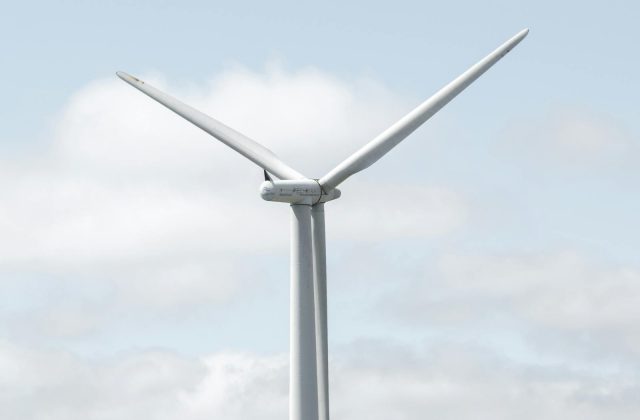
Troubleshooting Low Output From a Small Wind Turbine
A small wind turbine that suddenly produces less than expected can feel alarming, but most causes are routine and findable. This guide walks through the checks in the order a seasoned tech…
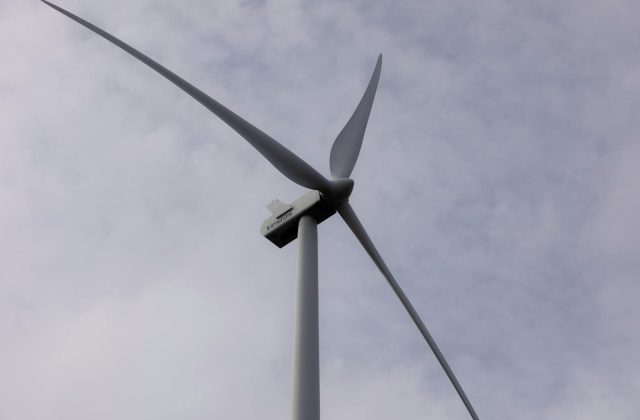
Wind vs. Solar for an Average Home
Wind turbines look thrilling on a hillside, and rooftop solar looks tidy on a roof. Both can cut a home electricity bill, but they are not interchangeable. This guide compares them on…
Comparing Portable Battery Generators and Solar Kits
A reader recently asked me whether she should buy a portable battery generator for camping or a folding solar kit for the same money. Both products show up in the same online…