Wind vs. Solar for an Average Home
Wind turbines look thrilling on a hillside, and rooftop solar looks tidy on a roof. Both can cut a home electricity bill, but they are not interchangeable. This guide compares them on…

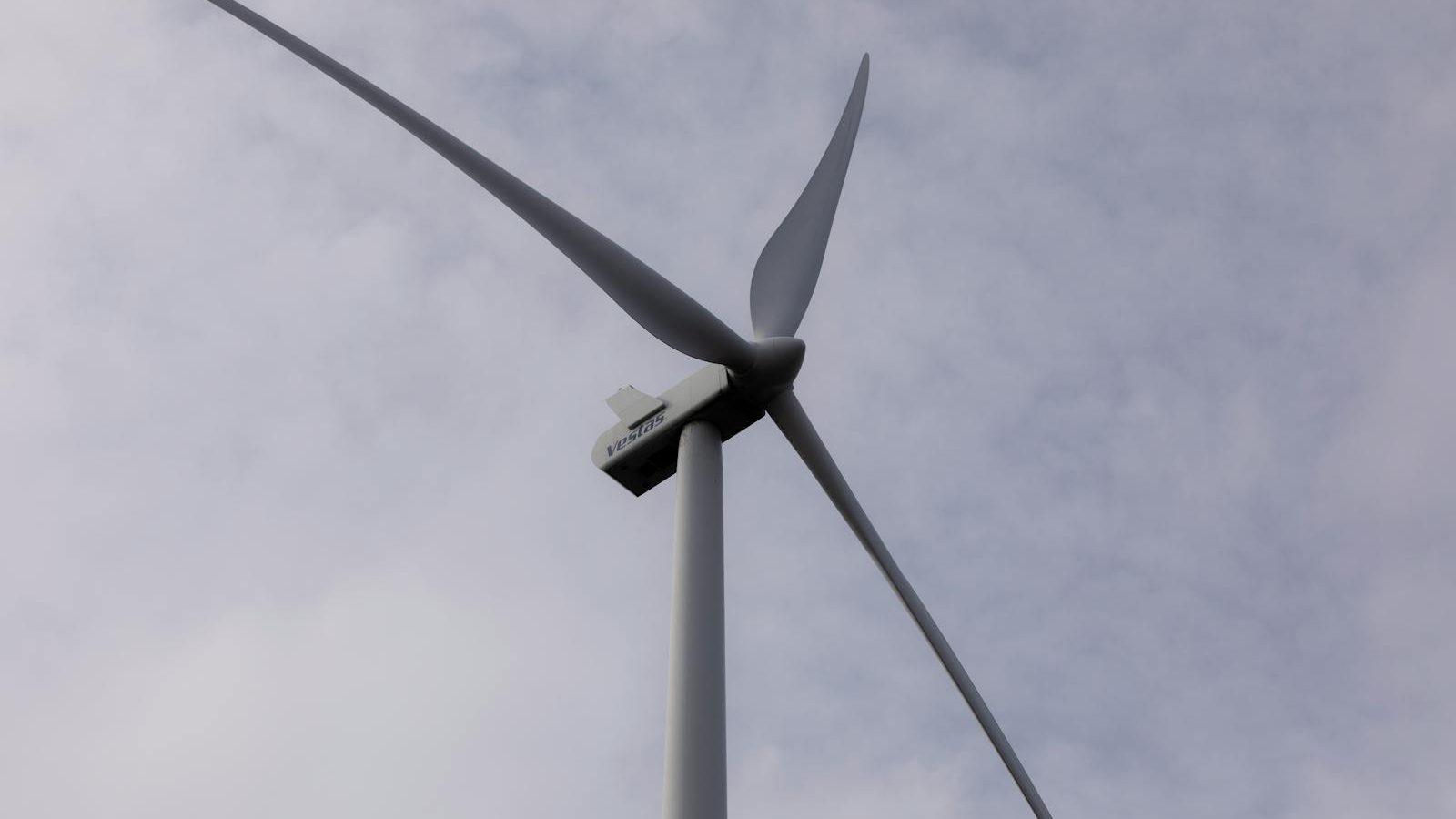
Wind turbines look thrilling on a hillside, and rooftop solar looks tidy on a roof. Both can cut a home electricity bill, but they are not interchangeable. This guide compares them on the things that actually matter for a typical household: cost per kilowatt-hour, maintenance, lifespan, and the kind of property each one fits. By the end you will know which usually wins, and the narrow cases where the other quietly takes the prize.
If you have read even a handful of energy blogs, you have probably seen the same two heroes: shiny rooftop solar panels on a suburban home, and a slim wind turbine spinning over a green field. Both make electricity from weather. Both have real fans. And both, in the right setting, can take a meaningful chunk out of a household power bill. The trouble is that they are not equivalent technologies for an average home, and choosing between them on vibes alone leads to expensive disappointment. Let us walk through the honest comparison the way I wish someone had walked me through it years ago.
The honest answer: for most households, it is solar
If you live on a typical residential lot, in a town or a suburb, with neighbours, trees, and a roof that faces somewhere between east and west, rooftop solar is almost always the better fit. That is not a marketing line. It is a consequence of physics and zoning. Solar panels work on a flat or sloped roof, they have no moving parts, and they make useful power from diffuse light, not just bright direct sun. Wind turbines need clean, fast, undisturbed air, and most residential lots simply do not have that.
A small home turbine usually needs an average annual wind speed of around 5 to 6 metres per second, measured at hub height, to produce energy at a sensible cost. In a built up neighbourhood, even on a hill, the actual wind at 10 to 15 metres of height is often closer to 3 to 4 metres per second, and it is gusty rather than steady. Cube the wind speed and you cube the disappointment, because turbine output scales roughly with the cube of wind speed. Half the wind you hoped for means roughly an eighth of the energy you hoped for.
Solar is forgiving in a way wind is not. A panel on a slightly suboptimal roof still produces 70 to 85 percent of its ideal output. A turbine in a slightly suboptimal site can easily produce less than 30 percent of its rated nameplate, sometimes far less. That asymmetry is the single most important thing a beginner can understand before spending a penny.
What solar gives you that wind usually does not
Solar earns its dominance through a stack of practical advantages that wind simply cannot match on a small residential scale.
- No moving parts. A photovoltaic panel is a sealed slab of silicon, glass, and aluminium. There are no bearings to grease, no blades to balance, no brake pads to replace. A residential array can sit on a roof for 25 to 30 years with little more than an occasional rinse and an inverter swap around year 12 to 15.
- Quiet and invisible. Panels make no noise. They do not cast a moving shadow across your kitchen window. They do not bother the neighbours or the local birds. That matters a lot more than spec sheets suggest, because complaints can stop a project or sour a relationship.
- Easy permitting. Most municipalities have a standard, well understood path for residential rooftop solar. Inspectors know what to look for, electricians know how to connect it, and your insurer knows how to underwrite it. Small wind turbines, by contrast, often trigger zoning hearings, height limits, setback rules, and neighbour objections.
- Modular and scalable. You can start with a 4 kilowatt system, add 2 kilowatts next year, and add a battery the year after. Wind is more all or nothing. A turbine is one big purchase, one big install, and one big maintenance contract.
- Predictable economics. Solar production in a given postcode can be modelled with very good accuracy using public sun data. Wind production at a given address can vary wildly from what regional maps suggest, because terrain and buildings disrupt local airflow in ways maps cannot capture.
Add it all up and you can see why utility companies, installers, and almost every homeowner ends up at the same answer on a normal lot.
The narrow cases where wind beats solar
None of the above means small wind is a scam. There are genuine cases where a home turbine outperforms a solar array, and it is worth knowing them so you can recognise your own situation honestly.
Wind tends to win when several of the following are true:
- You live on at least half an acre, ideally an acre or more, of open rural land with no nearby buildings or tall trees.
- Your regional average wind speed at 10 metres is 5 metres per second or higher, confirmed by a local data logger over at least 6 to 12 months rather than guessed from a map.
- Your property is in a windy climate band: coastal, prairie, ridge top, or open farmland.
- You have winter heating loads that peak during the same season your local winds peak, which is often the case in northern climates where winter storms bring strong sustained winds.
- Your roof is shaded, north facing, or otherwise poor for solar.
In those settings, a small turbine of 2 to 10 kilowatts on a properly tall mast can deliver real, year round power, often complementing winter heating loads when solar is at its weakest. If you think you might fit that profile, our deeper guide to small wind turbines explained for homeowners walks through the sizing, mounting, and grid connection questions in plain language.
One more honest case for wind: hybrid systems. If you already have solar and you live on a windy rural property, adding a small turbine can flatten your seasonal production curve and reduce battery cycling. The two technologies often peak at different times of year and even different times of day, which is exactly why some off grid homesteads pair them deliberately. Our piece on how hybrid solar wind systems work covers the practical wiring, controller, and sizing decisions that hybrid setups depend on.
Cost per kWh, side by side
The fair way to compare the two is the levelised cost of energy, which spreads the total lifetime cost across the total lifetime energy produced. The numbers below are 2026 typical ranges for residential installs in North America and Western Europe, with assumptions noted, so you can sanity check them against your own quotes.
Residential rooftop solar, 6 kW system:
- Installed cost: roughly 2.20 to 3.20 USD per watt before incentives, or about 13,200 to 19,200 USD total.
- Annual production: roughly 7,200 to 9,600 kWh per year in a sunny region, 5,400 to 7,200 kWh in a moderate one.
- Useful life: 25 to 30 years, with output dropping to about 80 to 87 percent of new by year 25.
- Levelised cost per kWh: roughly 0.06 to 0.12 USD over the system life, depending on sun and price.
Small residential wind turbine, 5 kW system on a 24 metre tower:
- Installed cost: roughly 18,000 to 45,000 USD including tower, foundation, inverter, and permitting.
- Annual production: roughly 4,000 to 9,000 kWh in a windy rural site, often less than 2,000 kWh on a poor site.
- Useful life: 15 to 25 years for the turbine itself, with several maintenance interventions across that span.
- Levelised cost per kWh: roughly 0.12 to 0.40 USD, sometimes higher on a marginal site.
For an average suburban household, solar typically lands at roughly half the lifetime cost per kilowatt-hour of small wind. On a great rural wind site, that gap narrows but rarely closes completely. On a poor wind site, the turbine numbers can be three or four times worse than solar.
Maintenance and lifespan comparison
Solar is closer to a household appliance than to a machine. A typical maintenance routine is: hose down the panels once or twice a year if you live somewhere dusty, check the inverter display occasionally, and budget for one inverter replacement between year 10 and year 15. Total lifetime maintenance for a 6 kW system is often under 2,500 USD across 25 years.
Wind is a machine. A small turbine has a generator, bearings, a yaw mechanism, a brake, blades that flex millions of times, and electronics exposed to vibration and weather. Recommended maintenance generally includes:
- Annual inspection by a qualified technician, often 300 to 600 USD per visit.
- Bearing lubrication or replacement every few years on many designs.
- Blade inspection for cracks, erosion, and lightning damage.
- Tower inspection for guy wire tension, fastener corrosion, and foundation movement.
- Major overhaul or generator replacement somewhere between year 10 and year 20.
Across 20 years, total maintenance on a small home turbine often adds 5,000 to 15,000 USD to the headline install cost. That is not a reason to avoid wind, but it is a reason to be honest in your budget.
A decision framework, who should consider what
Rather than guessing, walk through these questions in order. The answers usually point to one technology clearly.
1. What is your usable roof area and orientation? If you have at least 25 square metres of unshaded roof facing somewhere between east and west, solar is on the table. Lean toward it.
2. What is your lot size and surroundings? If you have less than half an acre, or if there are buildings or trees within 150 metres that are taller than your potential turbine, wind is almost certainly not viable at residential scale.
3. What does local wind data say? Look up a regional wind atlas, then discount it by 30 to 50 percent for the fact that your specific spot is probably worse than the regional average. If the discounted number is below 5 metres per second at 10 metres, wind is out.
4. What are your loads doing in winter? If you heat with electricity and your winters are windy, wind may earn a place in a hybrid system. If your winters are calm and cloudy, neither technology will fully cover heating loads, and efficiency upgrades should come first.
5. What is your permitting environment? A quick call to your local planning office will tell you whether a residential turbine is even allowed at the height it needs. If the answer is a complicated maybe, the timeline and legal cost often kill the project before construction starts. Our guide to choosing the right spot for a turbine on your property covers what to scout before you ever request a quote.
The most common mistake I see is treating wind and solar as competing brands rather than tools with different jobs. Solar is the safe, modular, low maintenance workhorse that fits 95 percent of homes. Wind is a specialist tool that earns its keep on the right land in the right climate. Knowing which category you fall into is more useful than any spec sheet.
Frequently asked questions
Is a home wind turbine cheaper than rooftop solar?
Almost never on a per kilowatt-hour basis. A typical 6 kW solar array produces electricity at roughly 0.06 to 0.12 USD per kWh over its life, while a small home turbine usually lands between 0.12 and 0.40 USD per kWh, sometimes higher on a poor site. Wind hardware also tends to cost more per installed watt once you include the tower, foundation, and permitting. Solar wins on cost for most residential settings.
Can I run my whole house on a home wind turbine?
On a genuinely windy rural site, a 5 to 10 kW turbine can cover most or all of a modest household load, but only if your wind resource is strong and steady. On a typical suburban lot the same turbine will fall well short, often producing less than a third of its nameplate. A hybrid setup that pairs a turbine with solar and batteries is usually more reliable than relying on wind alone for whole-home power.
Do I need planning permission for a residential wind turbine?
In almost every jurisdiction, yes. Rules typically cover tower height, setbacks from property lines, noise limits, and sometimes visual impact on neighbours. Some areas also require an environmental review for bird and bat impact. Always call your local planning office before you spend money on a feasibility study. Rooftop solar, by contrast, usually follows a simple permit path that most installers handle for you as part of the quote.
Will solar still work if I get a lot of cloudy weather?
Yes, just at reduced output. Modern panels still produce 10 to 25 percent of their rated power on overcast days because they capture diffuse light, not only direct sun. Annual production estimates already factor in normal cloud cover for your region. A site with persistent fog or heavy winter overcast will produce less than a sunny site, but rarely so little that the system fails to pay for itself over its 25 to 30 year life.
How long do home wind turbines actually last?
A well chosen residential turbine on a properly engineered tower can run for 15 to 25 years, but it will need real maintenance along the way. Expect annual inspections, periodic bearing service, and a likely major overhaul or generator replacement somewhere around year 10 to 15. Cheap imported turbines often fail much sooner, sometimes within 3 to 5 years. Lifespan depends heavily on build quality, install quality, and how exposed the site is.
Does it ever make sense to install both solar and wind?
Yes, on the right property. Solar and wind often peak at different times of year and even different times of day, so pairing them can smooth out your production curve and reduce battery cycling on off grid systems. The combination earns its keep on rural sites with strong winter winds and weaker winter sun, or on homesteads aiming for true energy independence. On a typical suburban lot, solar alone is the better investment.
Read next in Wind & Alternative Energy
If this guide was useful, these two neighbouring pieces will fill in the surrounding context:
Sources and further reading
For the underlying data behind the numbers in this guide, and for the standards, incentive programs, and safety rules referenced throughout, see:
Related guides

Budgeting for a Home Backup Energy System
A reader in Vermont emailed me after a four-day outage and asked, simply, "How much do I need to set aside to never feel that helpless again?" The honest answer is anywhere…
Troubleshooting Low Output From a Small Wind Turbine
A small wind turbine that suddenly produces less than expected can feel alarming, but most causes are routine and findable. This guide walks through the checks in the order a seasoned tech…

What an Honest Vertical-Axis Wind Turbine Review Looks Like
A reader sent me a link last week to a sleek little vertical-axis turbine ad promising to "power your whole home" for under two thousand dollars. The video looked great. The numbers,…