Choosing the Right Spot on Your Property for a Turbine
Picking the wrong spot for a small wind turbine is the most common reason these projects underdeliver. The hardware does what the brochure promises only when the location lets it. This guide…

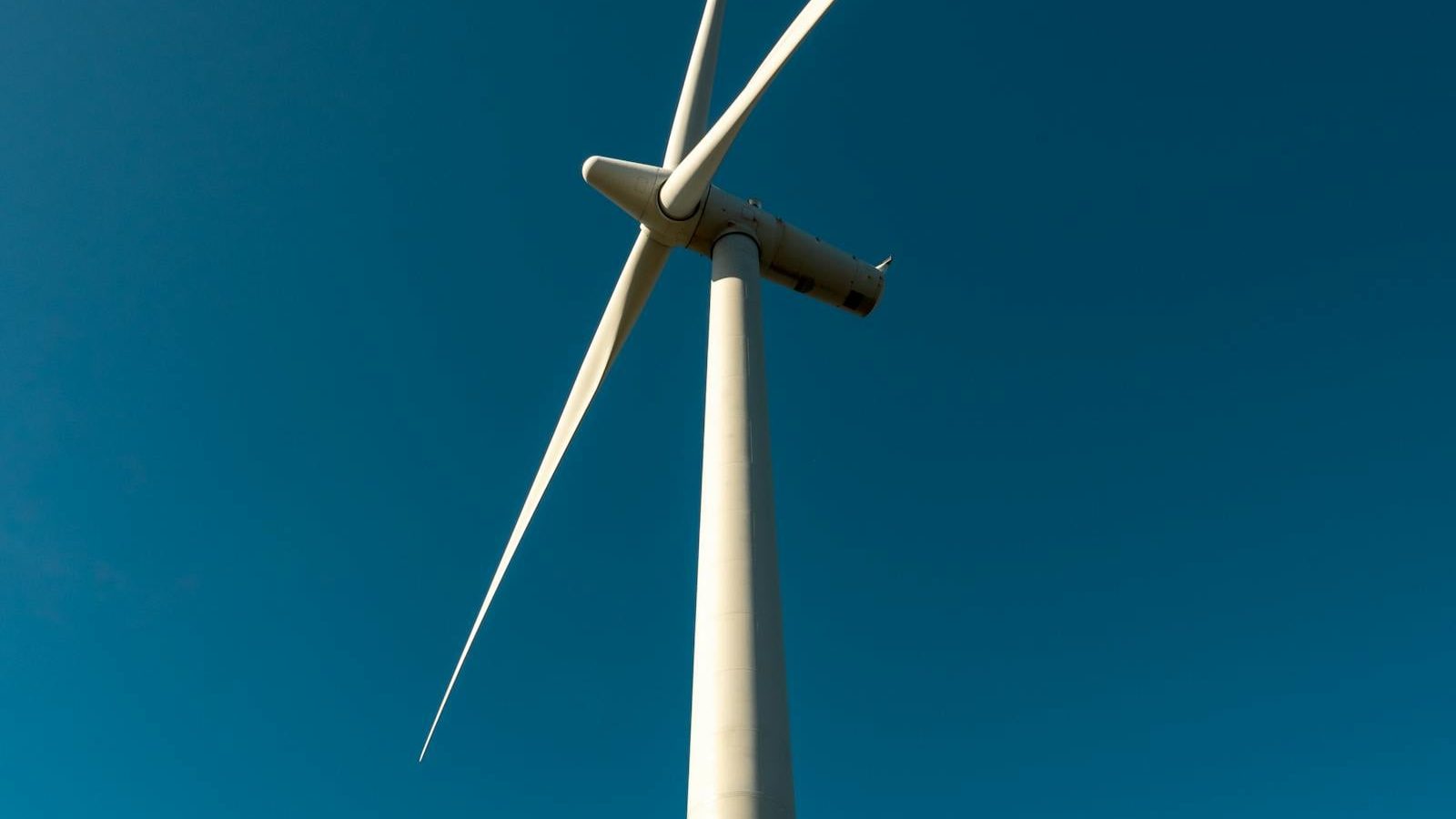
Picking the wrong spot for a small wind turbine is the most common reason these projects underdeliver. The hardware does what the brochure promises only when the location lets it. This guide walks you through the rules of thumb, the terrain traps, and the cheap tools that help you place a tower where it can actually earn its keep over twenty years.
Two identical turbines, on two identical towers, on two lots a kilometre apart, can produce wildly different amounts of energy over a year. The hardware is the same. The wind, after it scrapes across a treeline or stalls behind a barn, is not. Site selection is the most underrated decision in small wind, and it is the one you cannot reverse with a software update or a warranty claim.
The good news is that good siting is not mysterious. It comes down to a handful of rules, a careful walk of your lot, and the patience to log a bit of real wind data before you pour any concrete. If you are still deciding whether wind makes sense for your property at all, my overview on small wind turbines explained for homeowners covers the basics. This guide assumes you are past that question and trying to answer the next one: exactly where on my land should the tower stand?
The 30/500 rule, and why it matters more than the brochure
The single most repeated rule in small wind is the 30/500 rule. The rotor should sit at least 30 feet (about 9 metres) above anything within a 500-foot (150-metre) radius. That includes trees at their mature height, not their current height. It includes barns, ridgelines, your neighbour’s two-storey extension, and the row of conifers a previous owner planted as a windbreak.
The reason is straightforward. As wind flows over an obstacle, it does not glide back down smoothly behind it. It tumbles. That tumbling, called turbulence, creates rapid changes in wind speed and direction, sometimes several times a second. A turbine in turbulent air produces less power and wears out faster, because every gust hits the rotor from a slightly different angle and the yaw mechanism has to chase it. Clean, laminar wind is what the rotor is engineered for, and you only get clean wind well above the obstacles around it.
Work the rule in two directions:
- Vertical: identify the tallest object within a 500-foot circle of your candidate tower spot. Add 30 feet. That number is your minimum hub height.
- Horizontal: if your tower height is fixed by zoning at, say, 80 feet, then nothing within 500 feet can be taller than 50 feet. That sometimes rules out a spot entirely.
The 30/500 rule is a starting point, not a ceiling. On sites with dense tree cover or steep terrain, many installers will recommend a 40-foot or even 50-foot clearance above local obstacles. The extra height costs money, but underbuilding height to save 4,000 to 8,000 USD is the most common false economy in this category, and the one that quietly destroys payback math for decades.
Terrain factors: hills, treelines, and slope
Terrain accelerates or stalls wind in patterns that are usually invisible to a casual eye. A bit of vocabulary helps.
Hilltops accelerate wind. As air flows up a smooth, rounded hill, it compresses and speeds up. A turbine on the upwind brow of a hill can see wind speeds 15 to 30 percent higher than the regional average, which translates to a much larger jump in energy because output scales with the cube of wind speed. Long, gentle ridges aligned across the prevailing wind direction are the gold standard.
Steep cliffs and sharp ridges create turbulence, not lift. A turbine placed too close to a sharp drop-off can sit in a zone of swirling, separated flow rather than smooth acceleration. Set back at least 3 to 5 times the cliff height from the edge.
Valleys and depressions stall wind. Air tends to slow down and pool in low ground, especially in calm or stable weather. A site at the bottom of a bowl is almost always a poor turbine site, even when the surrounding ridges are windy.
Treelines matter both upwind and downwind. A line of mature trees can throw a wind shadow that stretches 10 to 20 times the tree height downwind, depending on how dense the canopy is. A 60-foot treeline can therefore disturb wind for 600 to 1,200 feet behind it. Walk your lot and figure out where the prevailing wind enters and what it has to cross before reaching your candidate tower spot.
Slope under the tower itself. Foundations on flat ground are simpler and cheaper. A tower on a sloped site usually needs either a stepped footing or significantly more concrete, both of which add cost and complexity. If you have two equally windy candidate spots, the flatter one will almost always cost less to build.
Wind shadows: the invisible obstacle
A wind shadow is the disturbed, slower air on the lee side of any obstacle. Pictures help here, but the mental model is simple: imagine the obstacle is a rock in a stream. The water behind the rock is messy and slow. Wind behaves the same way around buildings, trees, hills, and outbuildings.
Three numbers worth remembering:
- The shadow behind a solid building stretches roughly 10 to 15 times the building height downwind, and the most disturbed zone reaches about twice the height upward above the roofline.
- The shadow behind a treeline depends on canopy density. Bare winter trees disturb less; full summer canopy disturbs more. Plan for the worst case.
- Turbulence persists vertically for about twice the obstacle height, which is exactly why the 30/500 rule exists.
The cheapest test you can run is the ribbon test. Tie 10 to 20 strips of surveyor’s tape or light ribbon to a tall pole, raise it where the tower would go, and watch how the ribbons move on a windy day. Smooth, consistent flow in one direction means clean wind. Ribbons fluttering in three directions at once mean you are standing in someone else’s wind shadow and the spot is wrong.
Soil and foundation considerations
Once you have a candidate spot that meets the height and terrain rules, the ground underneath it becomes the next decision. A small wind tower transmits significant cyclic loads into its foundation, and the soil determines how much concrete and steel you will need.
Most installers will recommend a geotechnical test, sometimes called a soil bearing test, before final foundation design. It costs roughly 500 to 1,500 USD and tells you what the soil can carry per square foot and how deep the frost line sits. Common foundation types for residential turbines:
- Pier and beam: a single concrete column poured into a drilled hole, typically 4 to 8 feet deep. Common for self-supporting monopole towers under 80 feet. Material cost runs 2,500 to 6,000 USD.
- Spread footing: a wide concrete pad with anchor bolts cast into it. Used for larger towers or weaker soils. Material cost 4,000 to 10,000 USD.
- Guyed tower anchors: several smaller concrete anchors at the base and at the guy wire endpoints. Often the cheapest option for taller towers on suitable lots, but requires more land area.
Avoid sites with high water tables, fill dirt of unknown depth, or visible bedrock at the surface. Each of those changes the foundation specification, sometimes dramatically. A spot that needs a custom engineered foundation can add 5,000 to 15,000 USD to the project.
Distance from the house: noise and shadow flicker
A well-maintained modern small turbine produces 40 to 55 decibels at 100 feet, roughly the level of a quiet refrigerator. That is not loud, but it is constant when the wind blows, and constant low-level sound becomes annoying inside a bedroom in a way that occasional traffic does not.
A reasonable working distance from the nearest occupied building is at least 1.5 to 2 times the total tower height. For an 80-foot tower, that means setting back at least 120 to 160 feet from the house. Lots of owners prefer 200 feet or more, especially if they have a bedroom on the windward side.
Shadow flicker is a separate concern. When the sun is low and behind the rotor, the spinning blades cast a moving shadow that can flick across windows several times a second. The effect can be unpleasant or, for a small minority of people, genuinely disorienting. Map the path of the morning and evening sun across your lot and confirm that the rotor’s shadow does not regularly cross your living room window during the months you care about.
Distance from neighbours: the goodwill setback
Zoning rules usually require the tower to sit at least 1.1 to 1.5 times its total height from every property line. That is the legal minimum. The neighbourly minimum is usually larger.
A few practical habits that prevent friction:
- Walk the project past every adjacent neighbour before you submit the permit. Show them the proposed location on a satellite image and the expected sound level at their property line.
- Place the tower on the side of your lot furthest from the nearest house, even if that costs you a bit of wind or a longer cable run.
- If you have a choice between two spots equally good for wind, pick the one that puts the rotor out of the direct sightline from your neighbour’s main living windows.
- Keep a printed copy of the manufacturer’s sound data on hand. A neighbour who feels informed is rarely the neighbour who calls the planning office.
Goodwill is cheaper than litigation, and a turbine that has to be moved after a complaint is a financial catastrophe.
Cable runs from tower to inverter
The electricity the turbine generates travels down the tower and across your lot to the inverter and the main service panel. Long cable runs cost money, both in copper and in voltage drop, which steals a small but real fraction of your production.
Some rough planning numbers:
- A direct-buried 100-foot run of properly sized copper cable runs roughly 8 to 20 USD per foot installed, depending on wire gauge and trench conditions.
- Each doubling of distance roughly doubles the voltage drop at a given wire size. Compensating means stepping up to thicker (and more expensive) wire.
- A run longer than about 300 feet usually justifies converting to higher voltage at the tower and stepping back down at the house, which adds equipment cost but saves copper.
When you pick a tower spot, mentally trace the cable path. Trenching through a paved driveway, under mature tree roots, or across a septic field adds cost and disruption that does not show up on the wind map.
Tools that take the guesswork out
You do not have to guess at any of this. A small set of tools turns site selection from intuition into evidence.
Wind maps. The NREL WIND Toolkit in the US, the Global Wind Atlas internationally, and most national meteorological agencies publish modelled wind speeds at 30, 60, and 100 metre heights for almost any address. These maps are a good starting point but they are smoothed averages, not site-specific readings. Treat them as a sanity check, not a final answer.
Anemometer logging. A small data-logging anemometer on a temporary 10 to 20 metre mast is the single best investment you can make before committing. Basic units start around 300 USD. A full installer-grade study with a tall mast and three to twelve months of logged data runs 800 to 2,500 USD. Either way, the data tells you what the wind actually does at your site, not what a model thinks it should do.
Smartphone wind apps and small handheld anemometers. Handheld units from 30 to 100 USD are useful for spot checks during your initial walkthrough, especially for confirming wind shadow patterns. They are not a substitute for logged data over months, but they help you choose between candidate spots before paying for a proper study.
Topographic maps and satellite imagery. Free tools like Google Earth let you measure distances, identify obstacles, and visualise the lay of the land before you ever step outside. Spend an hour with the satellite view of your lot and you will see things you missed walking it.
What a professional site survey costs
A full site survey from a qualified small wind installer typically includes a desktop wind analysis, a physical walk of the lot, a soil bearing assessment, a setback and zoning review, and a written report with one or more recommended tower locations and heights. Expect to pay 500 to 2,000 USD for the survey itself, sometimes credited back if you proceed with the same installer.
A more thorough survey adds a multi-month anemometer study (800 to 2,500 USD) and a geotechnical bore (500 to 1,500 USD). Together, you are looking at roughly 1,800 to 6,000 USD in survey and study costs before any equipment is ordered. On a project that runs 25,000 to 75,000 USD installed, that is 3 to 10 percent of total cost, and it dramatically reduces the chance of an underperforming installation.
If you want a structured way to confirm you have not missed anything before moving forward, my checklist before installing a small wind turbine walks the full pre-install process, from site qualification through commissioning. And once a tower is up and spinning, the work shifts to keeping it healthy over its 20-year life, which my notes on maintenance routines for a residential wind turbine cover in detail.
Done well, siting is a slow conversation between your land, your wallet, and the wind. Take the time to walk the lot in different seasons, pay for the anemometer study, and ask your installer to defend their tower placement with data rather than confidence. A turbine in the right spot will quietly do its job for two decades. A turbine in the wrong spot will frustrate you for the same length of time, and you will pay the same money either way.
Frequently asked questions
How do I apply the 30/500 rule on a lot with mature trees?
Measure the height of the tallest tree within a 500-foot radius of your candidate tower spot, including expected growth over the next 20 years. Add 30 feet to that number, and that is your minimum hub height. If the trees are 50 feet tall and likely to reach 60, plan on a hub height of at least 90 feet. Building shorter to save money almost always costs more in lost production.
Can I install a small turbine on a hilltop edge or cliff?
A long, smooth, rounded hill is excellent for wind. A sharp cliff or steep drop-off is not, because the air separates and tumbles rather than accelerating cleanly. Set the tower back from any sharp edge by at least 3 to 5 times the cliff height. If your land is dominated by sharp terrain, ask an installer to model the airflow before committing to a spot, because the difference between a good ridge and a turbulent one is easy to miss visually.
How far from the house should the tower stand for noise?
Plan for at least 1.5 to 2 times the total tower height as a setback from any occupied building, with the windward side of the house getting extra room. For an 80-foot tower, that is 120 to 160 feet. Many owners go further, especially if a bedroom faces the tower. Sound at 100 feet from a modern small turbine usually runs 40 to 55 decibels, which is quiet but constant during windy weather.
Does a longer cable run from the tower really matter?
Yes, in two ways. Copper cable costs roughly 8 to 20 USD per installed foot, so a 300-foot run can easily add 2,400 to 6,000 USD over a 100-foot run. Voltage drop also steals a small percentage of every kilowatt-hour the turbine produces, and that loss compounds over 20 years. For runs longer than about 300 feet, ask your installer whether stepping up to higher voltage at the tower base makes economic sense.
Do I really need a professional site survey?
For any turbine costing more than 10,000 USD installed, yes. A 500 to 2,000 USD survey identifies setback problems, foundation surprises, and wind shadow issues that would otherwise show up after the concrete is poured. Pair the survey with a six-month anemometer study and you have the two best pieces of insurance available in small wind. Skipping both is the most common reason projects underperform by 30 percent or more.
What if my best wind spot is also closest to a neighbour?
Talk to the neighbour before you finalise the location. Show them the satellite image, the tower height, the expected sound levels at their property line, and any shadow flicker analysis. Offer to share the manufacturer sound data and zoning approvals. A small loss in wind by moving the tower 50 feet further away is usually a good trade for two decades of neighbourly peace. Goodwill is far cheaper than a planning dispute later on.
Read next in Wind & Alternative Energy
If this guide was useful, these two neighbouring pieces will fill in the surrounding context:
Sources and further reading
For the underlying data behind the numbers in this guide, and for the standards, incentive programs, and safety rules referenced throughout, see:
Related guides

What an Honest Vertical-Axis Wind Turbine Review Looks Like
A reader sent me a link last week to a sleek little vertical-axis turbine ad promising to "power your whole home" for under two thousand dollars. The video looked great. The numbers,…
When Biomass Heating Actually Makes Sense
Biomass heating shows up in glossy brochures as a clean, renewable alternative to oil and propane. The reality is more interesting and more conditional. For some rural homes it genuinely lowers fuel…
Wind vs. Solar for an Average Home
Wind turbines look thrilling on a hillside, and rooftop solar looks tidy on a roof. Both can cut a home electricity bill, but they are not interchangeable. This guide compares them on…