Maintenance Routines for a Residential Wind Turbine
A small wind turbine is more like a car than a solar panel. It spins, it pivots, it wears, and it rewards a steady maintenance habit with years of quiet service. This…

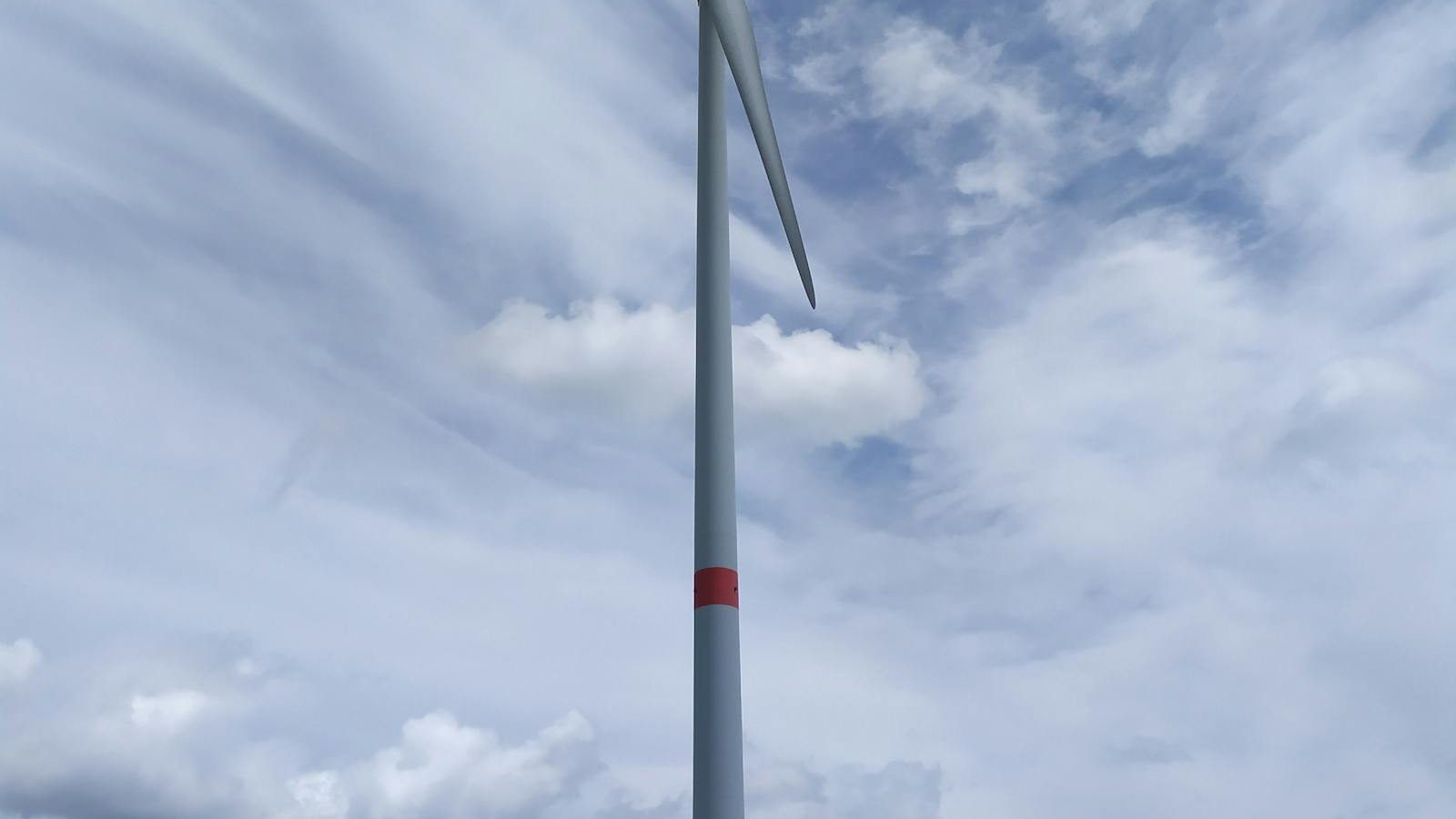
A small wind turbine is more like a car than a solar panel. It spins, it pivots, it wears, and it rewards a steady maintenance habit with years of quiet service. This guide breaks the work into monthly, seasonal, and annual routines, with clear notes on what you can safely do from the ground and what belongs to a trained technician with a harness.
What a small wind turbine actually needs
Unlike a solar array, a residential wind turbine has bearings, brakes, and a yaw mechanism that move every time the wind shifts. Over 8,000 hours a year of spinning, those parts wear in predictable ways. The good news is that nothing on the schedule is mysterious. The list is short, the cadence is steady, and most of the monthly work happens with both feet on the lawn and a coffee in your hand.
Here is the rough order of priority for a typical 1 to 10 kW residential machine:
- Daily or weekly glance at the monitoring app to catch sudden production drops.
- Monthly visual scan of the tower, rotor, and ground anchors from a safe distance.
- Seasonal walk-around with binoculars after major storms or temperature swings.
- Annual professional inspection covering bolt torque, bearings, brakes, and electrical connections.
- Five-to-ten-year overhaul of wear items: brake pads, slip rings, yaw bearings, and sometimes blades.
What you can almost always skip: climbing the tower yourself, opening the nacelle, adjusting the controller, or attempting any work on the electrical disconnect. A residential turbine carries lethal voltage at the base and stores enough kinetic energy in the spinning rotor to break bones long after the brake is set. The maintenance habit that keeps owners safe is knowing exactly where your job ends and the technician’s job begins.
Monthly visual checks
The monthly routine takes about fifteen minutes and never requires you to leave the ground. The goal is observation, not action. Catching a loose guy wire or a hairline crack in the first month it appears is the difference between a 200 USD repair and a 4,000 USD one.
Step 1: Open your monitoring app. Most modern turbines report daily kWh, instantaneous power, and a fault log. Look at the last 30 days of production. You are scanning for a sudden cliff, a string of zero-output days that does not match the weather, or a fault code that keeps repeating. A 10 to 20 percent monthly variation is normal because wind is fickle. A drop to a third of last month’s output during the same season is not.
Step 2: Stand back and look at the tower. Walk to a spot 50 to 100 metres away where you can see the whole machine clearly. Use binoculars if you have them. Scan for anything that looks different from last month: a missing bolt cover, a streak of rust running down the tower, a sag in a guy wire, or oil staining the paint near the nacelle. A small handheld photo of each side, taken every month from the same spot, builds a baseline that makes new changes obvious.
Step 3: Watch the rotor for one full minute. A healthy rotor spins smoothly and tracks the wind direction without lurching. Listen for the sound it makes. A clean turbine produces a steady swoosh. Clicks, grinding, or a rhythmic thump usually mean a bearing, a blade balance issue, or a loose component. If the rotor refuses to start in good wind, or fails to stop when the brake should engage, that is a service call the same week.
Step 4: Walk the base. Look at the concrete foundation for new cracks wider than a credit card edge. Check that no animals have burrowed under the slab. If your tower is guyed, give each anchor a visual check for loose hardware, soil heave, or vegetation that has grown into the wire path. Confirm the main disconnect switch enclosure is closed and dry.
Step 5: Note anything unusual. Keep a simple log. Date, weather, what you saw, what the app reported. A page a year is plenty. When a problem finally appears, you can hand the technician a timeline that saves an hour of diagnostic work and sometimes hundreds of dollars.
Seasonal tower inspection
Four times a year, after each major weather shift, spend a longer hour on a more thorough walk-around. Pick a calm day with the rotor stopped and the brake engaged if your controller allows it. Never inspect during gusty weather.
Spring. After winter, look for ice damage to blades, frost-heaved anchor points, and any animal nests that appeared during the cold months. Check that drainage around the foundation has not pooled. If you live somewhere lightning is common, walk the grounding rod connections and look for scorch marks or melted insulation near the disconnect. Spring is also a sensible time to schedule the annual professional inspection so any required parts arrive before storm season.
Summer. Summer is the lightest season for most maintenance. The main jobs are checking that hot weather has not warped the disconnect enclosure seal, confirming the controller’s cooling vents are clear of pollen or insect nests, and listening carefully on a windy afternoon for any new sound from the bearings. If your turbine has a furling tail rather than active pitch control, watch it furl in a strong gust to confirm the spring tension still releases properly.
Autumn. Autumn brings the heaviest wind season in most climates, so the inspection is about confirming the machine is ready. Check guy wire tension visually for any obvious slack. Look at the blade leading edges with binoculars for chips, pits, or peeling paint. Confirm the lightning protection system is intact. Clear leaves and debris from around the tower base and disconnect cabinet. If you notice low output during what should be your strongest production months, my guide on troubleshooting low output from a small wind turbine walks through the most common causes before you call a technician.
Winter. In cold climates, winter inspections focus on ice. A thin coat of ice on the blades changes their aerodynamic profile and can throw the rotor out of balance, which the bearings hate. Most modern turbines detect imbalance and shut down automatically, but verify your controller reports the fault. Keep snow shovelled away from the disconnect cabinet so you can reach it in an emergency. Do not attempt to de-ice the blades yourself; if they do not clear on their own within a few days, call your installer.
Annual professional inspection
Once a year, the turbine needs a trained technician with proper climbing gear, torque tools, and electrical test equipment. This is not optional. Skipping the annual inspection is the single most common reason small wind systems fail prematurely, and most manufacturer warranties require documented annual service to remain valid.
A standard annual visit costs 250 to 600 USD for tilt-up towers and 400 to 900 USD for fixed lattice or monopole towers that require climbing. It typically takes two to four hours and covers:
- Hardware torque. Every structural bolt on the tower, nacelle, and rotor hub is checked against the manufacturer’s torque spec. Bolts loosen with vibration, and a single under-torqued connection in the rotor hub is a catastrophic failure waiting to happen.
- Blade and leading-edge inspection. The technician examines each blade up close for surface erosion, leading-edge pitting, hairline cracks, and balance. A blade that has lost more than a few grams of material from erosion needs leading-edge tape or repainting to keep the rotor in balance.
- Bearing condition. Main shaft, yaw, and pitch bearings are checked for play and listened to with a stethoscope or vibration meter. Grease is topped up or replaced per the service manual.
- Brake service. The mechanical and electrical braking systems are tested under load. Brake pads are measured and replaced if worn past the wear line, typically every five to ten years.
- Yaw mechanism. The yaw bearing, yaw motor (if equipped), and slip rings are inspected. Slip rings carry power down through a rotating joint and are a common wear item on turbines with active yaw.
- Electrical connections. Every terminal in the nacelle and at the base disconnect is checked for tightness, corrosion, and heat damage. The grounding system is tested with a megger.
- Controller and inverter. Firmware is updated, fault logs are downloaded and reviewed, and the inverter’s output waveform is verified against utility spec.
Ask for a written report with photos of every major component. Keep it with your install paperwork. After three years, the report stack becomes your best evidence in a warranty claim and a powerful selling point if you ever list the property.
Five-to-ten-year overhaul items
Between annual inspections, plan for periodic replacement of wear items. The exact schedule depends on your turbine model, average wind speed, and how many hours per year the rotor actually spins, but here is a typical small-wind budget:
- Brake pads. Every five to ten years, 200 to 600 USD installed.
- Slip rings. Every seven to ten years on turbines with active yaw, 400 to 1,200 USD installed.
- Yaw bearing grease and seals. Every five years, included in the annual visit on most service contracts.
- Blade leading-edge tape or repaint. Every five to eight years in coastal or sandy environments, 600 to 2,500 USD for a full rotor set.
- Inverter or controller. Every 10 to 15 years, 1,500 to 6,000 USD depending on capacity.
- Blade replacement. Rare under 15 years on a well-maintained machine, but budget 2,000 to 8,000 USD per blade if the day comes.
Set aside roughly 1 to 2 percent of the installed cost per year in a maintenance reserve. For a 30,000 USD turbine, that is 300 to 600 USD annually. In most years you will spend less than that, and the surplus quietly covers the years when a slip ring or a controller needs replacing. Owners who skip this reserve are the ones who post angry forum threads when a 1,500 USD repair forces them to choose between a working turbine and a winter heating bill.
When to call a pro versus when to stand down
The rule for wind is even firmer than the rule for solar. Anything you can observe from the ground, with binoculars and a notebook, is yours. Anything that requires you to leave the ground, open an enclosure, or touch a tool to the machine belongs to a certified small-wind technician.
Call your installer or a qualified technician when:
- Output has dropped 25 percent or more across a full season with no clear weather or shading explanation.
- The rotor is making new mechanical noise: grinding, ticking, or a rhythmic thump.
- The brake fails to engage on command, or the rotor spins freely with the brake set.
- You see oil leaking from the nacelle or staining on the tower below it.
- A guy wire visibly sags or an anchor shows soil movement.
- The controller logs repeated fault codes you cannot clear from the app.
- Any visible damage to blades, tower welds, or the foundation.
- A grid event (lightning strike, sustained outage, voltage spike) that may have stressed the electrical system.
The reassuring half of the story is how predictable wind maintenance becomes once the rhythm is set. Fifteen quiet minutes a month, an hour each season, a single professional afternoon every spring, and a small reserve fund for the slow wear items will keep most residential turbines spinning close to their original ratings for 20 years or more. If you are still in the planning stage and want context on where the machine sits in the broader hardware picture, my overview on small wind turbines explained for homeowners and the companion piece on choosing the right spot for a turbine on your property both feed directly into the maintenance load you will inherit. A well-sited, properly installed turbine asks less of you over its lifetime than almost any other moving piece of equipment on your property. The trick is the steady habit, not the heroic afternoon.
Frequently asked questions
How much should I budget for annual wind turbine maintenance?
Plan on 250 to 600 USD per year for a tilt-up tower professional inspection, or 400 to 900 USD for a fixed tower that requires climbing. On top of that, set aside another 1 to 2 percent of installed cost as a reserve for periodic wear items like brake pads, slip rings, and leading-edge repair. For a 30,000 USD turbine, total annual budget runs roughly 500 to 1,200 USD averaged across the years.
Can I climb my own tower to save money on inspections?
Strongly advised against. Tower work requires a full body harness, dual lanyards, training in fall arrest, electrical lockout-tagout protocol, and ideally a second trained person on the ground. Most owners who try it once never try it again. The few hundred dollars saved per visit is meaningless against the medical cost of a fall, and many home insurance policies exclude tower climbing accidents entirely. Hire a certified small-wind technician.
What sound is normal versus a warning sign?
A healthy turbine produces a steady, low whoosh that matches the rotor speed. Sound rises and falls with wind but stays smooth. Warning signs include clicking that repeats with each rotation, a metallic grinding from the nacelle, a rhythmic thump suggesting blade imbalance, or a high-pitched whine from the generator. Any new sound that was not there last month is worth a phone call, even if the app still shows normal output.
Do I need to do anything special before a major storm?
Most modern turbines handle storms automatically by furling, pitching, or braking once wind exceeds the safe operating range. Your job is to confirm the system is in good condition beforehand: check guy wire tension visually, clear debris from the base, and verify the controller is online and reporting. After the storm, do a full visual scan from the ground before the rotor restarts. If anything looks off, leave the disconnect open and call your installer.
How often do small wind turbine blades actually fail?
Catastrophic blade failure is rare on a well-maintained residential machine, typically once in 15 to 25 years if at all. Far more common is gradual leading-edge erosion from rain and grit, which slowly reduces output. Annual inspections catch erosion early, and a 600 to 2,500 USD leading-edge repaint every five to eight years restores most of the lost performance. Replacing a full blade set is uncommon but expensive, in the 6,000 to 24,000 USD range depending on size.
Does maintenance differ for vertical-axis turbines?
Yes, vertical-axis turbines (VAWTs) have a different wear profile. They typically have lower hub speeds, no yaw mechanism to service, and easier ground-level access to the generator on many designs. The trade-off is that bearings carry more weight and often wear faster, and many VAWT designs have a less mature service network. Annual inspections are still essential, but the parts replaced and the climbing time differ. Always follow the specific service manual that came with your machine.
Read next in Wind & Alternative Energy
If this guide was useful, these two neighbouring pieces will fill in the surrounding context:
Sources and further reading
For the underlying data behind the numbers in this guide, and for the standards, incentive programs, and safety rules referenced throughout, see:
Related guides

What an Honest Vertical-Axis Wind Turbine Review Looks Like
A reader sent me a link last week to a sleek little vertical-axis turbine ad promising to "power your whole home" for under two thousand dollars. The video looked great. The numbers,…
When Biomass Heating Actually Makes Sense
Biomass heating shows up in glossy brochures as a clean, renewable alternative to oil and propane. The reality is more interesting and more conditional. For some rural homes it genuinely lowers fuel…
Wind vs. Solar for an Average Home
Wind turbines look thrilling on a hillside, and rooftop solar looks tidy on a roof. Both can cut a home electricity bill, but they are not interchangeable. This guide compares them on…