An Honest Budget for Going Electric, Without Surprises
A neighbor asked me last spring what going electric would actually cost, all in. She had read three glowing articles and one terrifying one, and she did not know which to believe.…

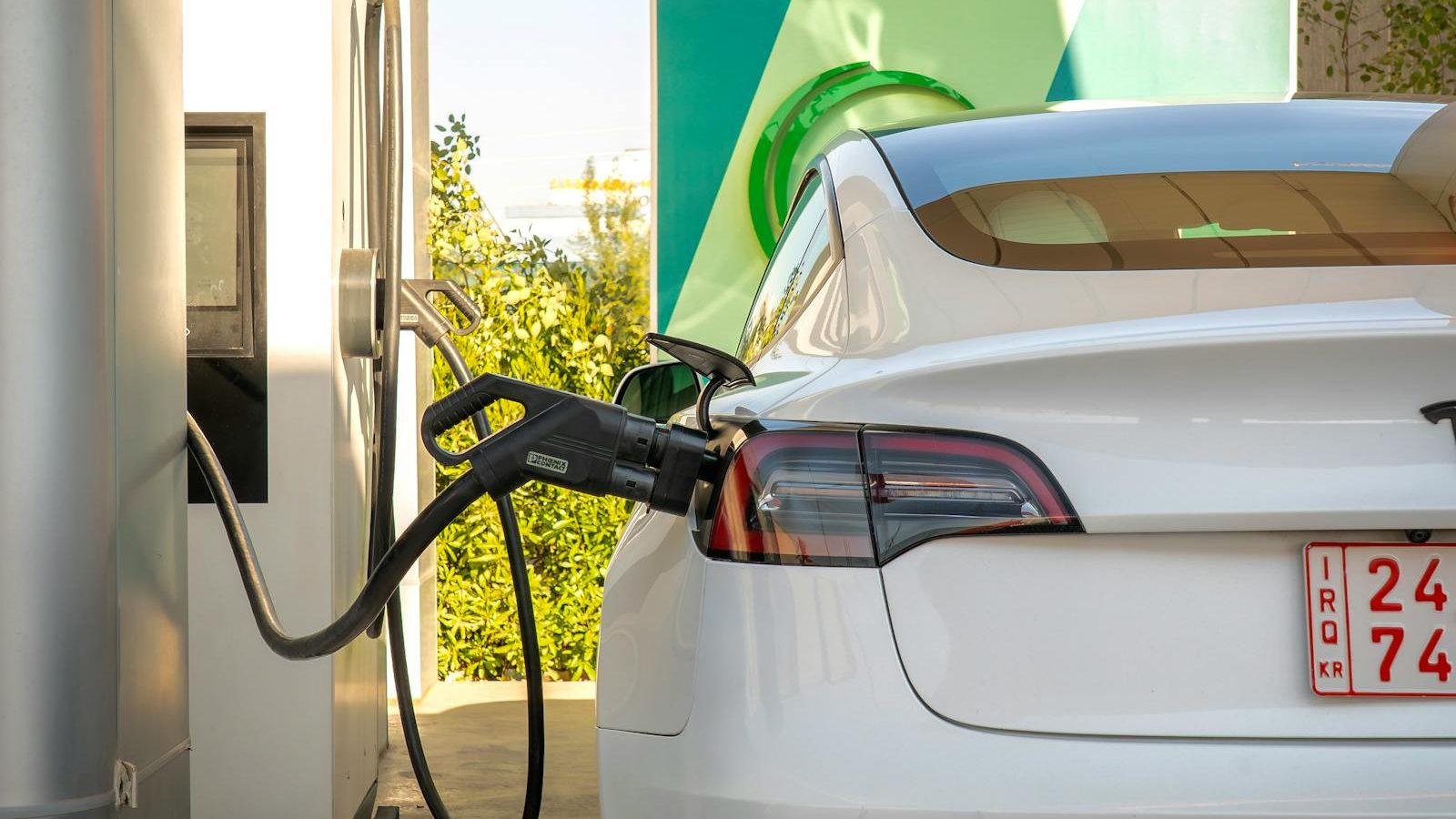
A neighbor asked me last spring what going electric would actually cost, all in. She had read three glowing articles and one terrifying one, and she did not know which to believe. So we sat down with a notepad and built her a real budget, line by line, with assumptions written out. This is roughly that same budget, slowed down and made shareable for anyone doing the same math at the kitchen table.
The trouble with most EV cost articles is that they cherry pick. Sometimes they show you the cheapest possible used car, the lowest electricity rate in the country, and a federal tax credit you may not actually qualify for, then announce that going electric is basically free. Sometimes they do the opposite, stacking the highest sticker price against a panel upgrade you might not need, and conclude the whole thing is a luxury. Neither is honest. The real number lives in the middle, and it depends on a handful of decisions you get to make.
Let us build the full picture together, using 2025 US ranges, with the assumptions written out so you can swap in your own. I will flag where I see people make optimistic mistakes, and where I see them overpay out of caution. By the end you should have a budget you trust, not a slogan.
What “going electric” actually costs (the full picture)
When most people ask about EV cost, they mean the price of the car. That is roughly half of the real budget. The full picture has four buckets, and ignoring any one of them is where surprises come from later.
- The vehicle itself, including taxes, fees, and any financing interest.
- Home charging setup, meaning the wall unit, the electrician, the permit, and sometimes panel work.
- Operating costs for the first few years, covering electricity, insurance, tires, brake fluid, and software or connectivity fees.
- Incentives and credits, which can meaningfully reduce the bill, though only if you actually qualify.
A useful rule I share with friends: take the sticker price you are eyeing, then add roughly $2,500 to $4,500 for a realistic home charging install, then add about $1,200 to $2,000 a year in operating costs for the first three years. Subtract any incentives you confirmed in writing, not the ones you saw on a billboard. That gives you a three year “all in” number to compare against keeping your current car.
The vehicle itself (new vs used 2025 ranges)
This is the biggest line item, so it deserves the most thought. 2025 ranges for a typical battery electric vehicle, before any tax credit, look roughly like this.
- New compact or small SUV BEV: $34,000 to $45,000 for mainstream models. Long range trims and premium features push past $50,000 quickly.
- New midsize SUV or sedan BEV: $45,000 to $60,000 for most popular models, with luxury trims well above.
- New full size SUV or truck BEV: $55,000 to $90,000 and up, depending on battery size and tow rating.
- Used 2 to 4 year old BEV: $18,000 to $30,000 for a wide selection of compact and midsize models with most of the original battery warranty remaining.
- Used 5+ year old BEV: $9,000 to $18,000 for shorter range models, sometimes with limited remaining warranty. Battery health verification matters most here.
The new versus used choice is genuinely the single biggest budget decision you will make. New gives you the latest range, charging speed, and software, plus a full warranty. Used skips the steepest part of the depreciation curve and often gets you driving for half the money. I walk through that tradeoff in more detail in used EV vs new EV which makes sense for beginners, which is worth reading before you commit to either path.
One thing worth noting on financing. A 72 month loan at 7 percent on a $40,000 car adds roughly $9,000 in interest over the life of the loan. That is real money, and it does not show up on the window sticker. If you are stretching to make the monthly payment work, consider whether a less expensive used model would let you pay it off faster and save the interest.
The home charging side (EVSE, electrician, permit)
This is the bucket that surprises people most, because dealerships rarely talk about it in detail. A proper home Level 2 setup has three parts: the charging unit itself, the electrical work to power it, and the permit and inspection.
- The EVSE (charging unit): $400 to $900 for a quality 40 amp hardwired or plug in unit. Smart features add a bit. Avoid the $200 mystery brands.
- Basic electrician install: $600 to $1,400 if your main panel has spare capacity, your garage is close to the panel, and the wire run is short and unobstructed.
- Permit and inspection: $75 to $300 depending on your city. Some inspectors are easygoing, some are not.
- Main panel upgrade if needed: $1,800 to $4,500 if you are on a 100 amp panel that cannot accept a new 40 or 50 amp circuit. Older homes are the usual culprits.
- Long wire run or trenching: $300 to $1,500 extra if the panel is on the opposite end of the house from where you park.
For most homes with a 200 amp panel and a garage near the service entrance, the all in number lands somewhere around $1,500 to $2,500. For older homes that need the panel upgrade and a long run, it can climb past $5,000. The honest move is to get an electrician to do a site visit before you buy the car, so you know your real number. I walk through the full install process in step by step installing a home Level 2 charger, including which questions to ask before any work starts.
If you rent, live in a condo, or otherwise cannot install at home, the math shifts. Level 1 from a regular outlet plus occasional public charging can work for low mileage drivers, though you should price out the local public charging rates before you buy. Some apartments now offer chargers in the lot, and some workplaces offer free or subsidized charging. All of this is worth confirming, not assuming.
Operating cost the first 3 years (kWh, insurance, tires, brakes, software)
Here is where EVs shine, and also where small line items add up if you are not watching. A rough annual budget for a 12,000 mile per year driver looks like this.
- Electricity for charging: $400 to $700 a year at home, assuming roughly $0.12 to $0.18 per kWh and about 30 kWh per 100 miles. If you do significant public DC fast charging, add another $200 to $600 per year depending on how often.
- Insurance: typically 5 to 15 percent higher than a comparable gas car, because parts and repair costs run higher. For a typical sedan that might mean $80 to $250 more per year.
- Tires: EVs are heavier and have instant torque, so tires wear a bit faster. Budget around $800 to $1,400 for a set every 30,000 to 45,000 miles depending on driving style.
- Brakes: regenerative braking means pads and rotors often last two to three times longer than a gas car. Realistic three year spend is close to zero on a new EV, maybe $200 to $400 on a used one.
- Software, connectivity, and apps: some automakers now charge $10 to $25 a month after the first year for connected services, navigation traffic data, or driver assist features. Easy to overlook, real over time.
- Routine service: tire rotations, cabin air filter, wiper blades, brake fluid every couple of years, and the occasional 12 volt accessory battery. Plan for $150 to $400 a year.
Add it up and a typical EV operating budget lands around $1,200 to $2,200 a year, which is genuinely less than a comparable gas car at $2,800 to $4,200. The savings are real, but they are not as dramatic as the cleanest articles make them sound, mostly because of insurance, tires, and the slow creep of subscription fees.
Incentives that genuinely reduce the bill
Incentives are real, but they are also fiddly. They change frequently, they have income limits, and many require the car to be assembled in specific places. Confirm any incentive in writing, with the actual rule cited, before you bank on it.
- Federal new EV tax credit: up to $7,500 for qualifying new BEVs and PHEVs, with income limits ($150,000 single, $300,000 joint as of 2025) and vehicle MSRP caps. Some buyers can apply it as a point of sale rebate at the dealer.
- Federal used EV tax credit: up to $4,000 for qualifying used BEVs and PHEVs priced under $25,000, with stricter income limits ($75,000 single, $150,000 joint).
- State and local rebates: California, Colorado, New York, Massachusetts, New Jersey, and several others offer additional rebates ranging from $500 to $4,500 for new EVs. Check your specific state.
- Utility rebates for home chargers: many electric utilities offer $200 to $1,000 toward a Level 2 install, sometimes more if you agree to a time of use rate.
- HOV lane access: not a dollar amount, but in some states a real time savings if you commute on congested highways.
The honest framing is this: stacked incentives can genuinely cut $8,000 to $12,000 off a new EV purchase if everything qualifies. For many buyers, only one or two apply, which still helps. Build your budget assuming the worst case, and treat extra savings as a pleasant surprise.
Hidden costs people skip in their math
These are the line items I see left out of nearly every back of envelope EV budget. None of them are dealbreakers, but together they can add $1,500 to $4,000 to your first three years.
- Registration and EV road use fees: a growing number of states charge an annual EV fee, often $100 to $250, to make up for lost gas tax revenue. Check your state DMV.
- Higher trim creep: the base model is rarely what shows up in the showroom. Heated seats, larger battery, all wheel drive, and a couple of option packages can quietly add $4,000 to $7,000.
- Dealer add ons: nitrogen tires, paint protection, vehicle history reports, and “market adjustments” on hot models. Push back. Most are negotiable, and several are pure markup.
- Charging cable upgrade: the cable in the trunk is often a slow Level 1 unit. A portable Level 2 travel cable runs $250 to $500 and is genuinely useful for visiting family.
- Public charging memberships: some networks offer monthly subscriptions that lower per kWh rates if you use them often. Useful for road trippers, wasted money if you mostly charge at home.
- Cold climate accessories: a heated garage outlet, a battery preconditioning routine, or even a small garage heater for very cold regions. Optional, but worth pricing if you live somewhere with hard winters.
- Resale assumptions: not a cost exactly, but worth modeling honestly. EV resale values have been volatile. Do not assume your car will hold value the way gas cars historically have.
If you are at the very start of this process, the checklist before buying your first electric car walks through the practical steps in order, and pairs nicely with this budget. Working through both before you visit a dealership will save you real money and a fair amount of anxiety.
The honest truth about EV budgets: the numbers usually work out, but only if you wrote them down before you fell in love with a specific car. Build the spreadsheet first, then go shopping.
Get the panel checked. Get the electrician quote. Confirm the incentives in writing. Get the insurance quote on the specific model. Add it all up, then decide. If the math still works after all of that, you are buying with your eyes open, and that is the only way to go electric without surprises.
Frequently asked questions
What is a realistic all in cost for going electric in 2025?
For a typical buyer choosing a midrange new BEV with a home Level 2 install, the all in three year cost lands around ,000 to ,000 before incentives, including the car, charging setup, and operating costs. Used BEV buyers often come in around ,000 to ,000 for the same three year window. Subtract any confirmed federal, state, and utility incentives, which can reduce the new car total by ,000 to ,000 if you qualify.
How much does it really cost to install a home charger?
For most homes with a modern 200 amp panel and a garage close to the service entrance, the all in cost lands between
Frequently asked questions
,500 and ,500. That includes a quality Level 2 unit, basic electrician labor, and permit fees. Older homes that need a main panel upgrade or a long wire run can climb to ,000 or ,000. The honest move is to get a site visit from a licensed electrician before you commit to the car.
Do I really save money on fuel and maintenance with an EV?
Yes, though usually less dramatically than headlines suggest. Home charging at
Frequently asked questions
What is a realistic all in cost for going electric in 2025?
For a typical buyer choosing a midrange new BEV with a home Level 2 install, the all in three year cost lands around ,000 to ,000 before incentives, including the car, charging setup, and operating costs. Used BEV buyers often come in around ,000 to ,000 for the same three year window. Subtract any confirmed federal, state, and utility incentives, which can reduce the new car total by ,000 to ,000 if you qualify.
How much does it really cost to install a home charger?
For most homes with a modern 200 amp panel and a garage close to the service entrance, the all in cost lands between
Frequently asked questions
,500 and ,500. That includes a quality Level 2 unit, basic electrician labor, and permit fees. Older homes that need a main panel upgrade or a long wire run can climb to ,000 or ,000. The honest move is to get a site visit from a licensed electrician before you commit to the car.
Do I really save money on fuel and maintenance with an EV?
Yes, though usually less dramatically than headlines suggest. Home charging at
Frequently asked questions
What is a realistic all in cost for going electric in 2025?
For a typical buyer choosing a midrange new BEV with a home Level 2 install, the all in three year cost lands around $42,000 to $58,000 before incentives, including the car, charging setup, and operating costs. Used BEV buyers often come in around $22,000 to $34,000 for the same three year window. Subtract any confirmed federal, state, and utility incentives, which can reduce the new car total by $5,000 to $12,000 if you qualify.
How much does it really cost to install a home charger?
For most homes with a modern 200 amp panel and a garage close to the service entrance, the all in cost lands between $1,500 and $2,500. That includes a quality Level 2 unit, basic electrician labor, and permit fees. Older homes that need a main panel upgrade or a long wire run can climb to $4,000 or $5,000. The honest move is to get a site visit from a licensed electrician before you commit to the car.
Do I really save money on fuel and maintenance with an EV?
Yes, though usually less dramatically than headlines suggest. Home charging at $0.12 to $0.18 per kWh runs about $400 to $700 a year for 12,000 miles, compared to $1,400 to $2,200 for gasoline at the same mileage. Maintenance savings are real on brakes and oil changes, but partly offset by faster tire wear and slightly higher insurance. Total annual savings typically land around $800 to $1,800 versus a comparable gas car.
Which incentives are easiest to actually qualify for?
The federal new EV tax credit of up to $7,500 has income caps of $150,000 single and $300,000 joint, plus vehicle MSRP and assembly requirements, so confirm your specific model qualifies. Utility rebates for home chargers are usually the easiest to claim, with simple online applications and minimal paperwork. State rebates vary widely, so check your state energy office before you bank on any specific number.
What hidden costs surprise EV buyers most often?
The most common surprise is a main electrical panel upgrade, which can add $1,800 to $4,500 if your home is on a 100 amp service. Other frequent additions include annual state EV road use fees of $100 to $250, dealer add ons that quietly inflate the price, software or connectivity subscriptions after the first year, and tire replacements that come sooner than expected because EVs are heavier than gas cars.
Should I budget differently if I am buying used versus new?
Yes. New EV budgets need a buffer for sales tax, financing interest, and depreciation in the first three years, which can be steep. Used EV budgets should include a battery health verification, possibly a longer warranty add on, and slightly more for brake service since regenerative braking still allows some normal wear. Used buyers also qualify for a smaller federal credit (up to $4,000) with stricter income limits, so confirm eligibility early.
Frequently asked questions
What is a realistic all in cost for going electric in 2025?
For a typical buyer choosing a midrange new BEV with a home Level 2 install, the all in three year cost lands around ,000 to ,000 before incentives, including the car, charging setup, and operating costs. Used BEV buyers often come in around ,000 to ,000 for the same three year window. Subtract any confirmed federal, state, and utility incentives, which can reduce the new car total by ,000 to ,000 if you qualify.
How much does it really cost to install a home charger?
For most homes with a modern 200 amp panel and a garage close to the service entrance, the all in cost lands between
Frequently asked questions
,500 and ,500. That includes a quality Level 2 unit, basic electrician labor, and permit fees. Older homes that need a main panel upgrade or a long wire run can climb to ,000 or ,000. The honest move is to get a site visit from a licensed electrician before you commit to the car.
Do I really save money on fuel and maintenance with an EV?
Yes, though usually less dramatically than headlines suggest. Home charging at
Frequently asked questions
What is a realistic all in cost for going electric in 2025?
For a typical buyer choosing a midrange new BEV with a home Level 2 install, the all in three year cost lands around $42,000 to $58,000 before incentives, including the car, charging setup, and operating costs. Used BEV buyers often come in around $22,000 to $34,000 for the same three year window. Subtract any confirmed federal, state, and utility incentives, which can reduce the new car total by $5,000 to $12,000 if you qualify.
How much does it really cost to install a home charger?
For most homes with a modern 200 amp panel and a garage close to the service entrance, the all in cost lands between $1,500 and $2,500. That includes a quality Level 2 unit, basic electrician labor, and permit fees. Older homes that need a main panel upgrade or a long wire run can climb to $4,000 or $5,000. The honest move is to get a site visit from a licensed electrician before you commit to the car.
Do I really save money on fuel and maintenance with an EV?
Yes, though usually less dramatically than headlines suggest. Home charging at $0.12 to $0.18 per kWh runs about $400 to $700 a year for 12,000 miles, compared to $1,400 to $2,200 for gasoline at the same mileage. Maintenance savings are real on brakes and oil changes, but partly offset by faster tire wear and slightly higher insurance. Total annual savings typically land around $800 to $1,800 versus a comparable gas car.
Which incentives are easiest to actually qualify for?
The federal new EV tax credit of up to $7,500 has income caps of $150,000 single and $300,000 joint, plus vehicle MSRP and assembly requirements, so confirm your specific model qualifies. Utility rebates for home chargers are usually the easiest to claim, with simple online applications and minimal paperwork. State rebates vary widely, so check your state energy office before you bank on any specific number.
What hidden costs surprise EV buyers most often?
The most common surprise is a main electrical panel upgrade, which can add $1,800 to $4,500 if your home is on a 100 amp service. Other frequent additions include annual state EV road use fees of $100 to $250, dealer add ons that quietly inflate the price, software or connectivity subscriptions after the first year, and tire replacements that come sooner than expected because EVs are heavier than gas cars.
Should I budget differently if I am buying used versus new?
Yes. New EV budgets need a buffer for sales tax, financing interest, and depreciation in the first three years, which can be steep. Used EV budgets should include a battery health verification, possibly a longer warranty add on, and slightly more for brake service since regenerative braking still allows some normal wear. Used buyers also qualify for a smaller federal credit (up to $4,000) with stricter income limits, so confirm eligibility early.
Frequently asked questions
,400 to ,200 for gasoline at the same mileage. Maintenance savings are real on brakes and oil changes, but partly offset by faster tire wear and slightly higher insurance. Total annual savings typically land around 0 to
Frequently asked questions
,800 versus a comparable gas car.[/faq_item] The federal new EV tax credit of up to ,500 has income caps of 0,000 single and 0,000 joint, plus vehicle MSRP and assembly requirements, so confirm your specific model qualifies. Utility rebates for home chargers are usually the easiest to claim, with simple online applications and minimal paperwork. State rebates vary widely, so check your state energy office before you bank on any specific number. The most common surprise is a main electrical panel upgrade, which can add ,800 to ,500 if your home is on a 100 amp service. Other frequent additions include annual state EV road use fees of 0 to 0, dealer add ons that quietly inflate the price, software or connectivity subscriptions after the first year, and tire replacements that come sooner than expected because EVs are heavier than gas cars. Yes. New EV budgets need a buffer for sales tax, financing interest, and depreciation in the first three years, which can be steep. Used EV budgets should include a battery health verification, possibly a longer warranty add on, and slightly more for brake service since regenerative braking still allows some normal wear. Used buyers also qualify for a smaller federal credit (up to ,000) with stricter income limits, so confirm eligibility early.
Which incentives are easiest to actually qualify for?
What hidden costs surprise EV buyers most often?
Frequently asked questions
Should I budget differently if I am buying used versus new?
[/faq]
.12 to
Frequently asked questions
What is a realistic all in cost for going electric in 2025?
For a typical buyer choosing a midrange new BEV with a home Level 2 install, the all in three year cost lands around ,000 to ,000 before incentives, including the car, charging setup, and operating costs. Used BEV buyers often come in around ,000 to ,000 for the same three year window. Subtract any confirmed federal, state, and utility incentives, which can reduce the new car total by ,000 to ,000 if you qualify.
How much does it really cost to install a home charger?
For most homes with a modern 200 amp panel and a garage close to the service entrance, the all in cost lands between
Frequently asked questions
,500 and ,500. That includes a quality Level 2 unit, basic electrician labor, and permit fees. Older homes that need a main panel upgrade or a long wire run can climb to ,000 or ,000. The honest move is to get a site visit from a licensed electrician before you commit to the car.
Do I really save money on fuel and maintenance with an EV?
Yes, though usually less dramatically than headlines suggest. Home charging at
Frequently asked questions
What is a realistic all in cost for going electric in 2025?
For a typical buyer choosing a midrange new BEV with a home Level 2 install, the all in three year cost lands around $42,000 to $58,000 before incentives, including the car, charging setup, and operating costs. Used BEV buyers often come in around $22,000 to $34,000 for the same three year window. Subtract any confirmed federal, state, and utility incentives, which can reduce the new car total by $5,000 to $12,000 if you qualify.
How much does it really cost to install a home charger?
For most homes with a modern 200 amp panel and a garage close to the service entrance, the all in cost lands between $1,500 and $2,500. That includes a quality Level 2 unit, basic electrician labor, and permit fees. Older homes that need a main panel upgrade or a long wire run can climb to $4,000 or $5,000. The honest move is to get a site visit from a licensed electrician before you commit to the car.
Do I really save money on fuel and maintenance with an EV?
Yes, though usually less dramatically than headlines suggest. Home charging at $0.12 to $0.18 per kWh runs about $400 to $700 a year for 12,000 miles, compared to $1,400 to $2,200 for gasoline at the same mileage. Maintenance savings are real on brakes and oil changes, but partly offset by faster tire wear and slightly higher insurance. Total annual savings typically land around $800 to $1,800 versus a comparable gas car.
Which incentives are easiest to actually qualify for?
The federal new EV tax credit of up to $7,500 has income caps of $150,000 single and $300,000 joint, plus vehicle MSRP and assembly requirements, so confirm your specific model qualifies. Utility rebates for home chargers are usually the easiest to claim, with simple online applications and minimal paperwork. State rebates vary widely, so check your state energy office before you bank on any specific number.
What hidden costs surprise EV buyers most often?
The most common surprise is a main electrical panel upgrade, which can add $1,800 to $4,500 if your home is on a 100 amp service. Other frequent additions include annual state EV road use fees of $100 to $250, dealer add ons that quietly inflate the price, software or connectivity subscriptions after the first year, and tire replacements that come sooner than expected because EVs are heavier than gas cars.
Should I budget differently if I am buying used versus new?
Yes. New EV budgets need a buffer for sales tax, financing interest, and depreciation in the first three years, which can be steep. Used EV budgets should include a battery health verification, possibly a longer warranty add on, and slightly more for brake service since regenerative braking still allows some normal wear. Used buyers also qualify for a smaller federal credit (up to $4,000) with stricter income limits, so confirm eligibility early.
Frequently asked questions
What is a realistic all in cost for going electric in 2025?
For a typical buyer choosing a midrange new BEV with a home Level 2 install, the all in three year cost lands around $42,000 to $58,000 before incentives, including the car, charging setup, and operating costs. Used BEV buyers often come in around $22,000 to $34,000 for the same three year window. Subtract any confirmed federal, state, and utility incentives, which can reduce the new car total by $5,000 to $12,000 if you qualify.
How much does it really cost to install a home charger?
For most homes with a modern 200 amp panel and a garage close to the service entrance, the all in cost lands between $1,500 and $2,500. That includes a quality Level 2 unit, basic electrician labor, and permit fees. Older homes that need a main panel upgrade or a long wire run can climb to $4,000 or $5,000. The honest move is to get a site visit from a licensed electrician before you commit to the car.
Do I really save money on fuel and maintenance with an EV?
Yes, though usually less dramatically than headlines suggest. Home charging at $0.12 to $0.18 per kWh runs about $400 to $700 a year for 12,000 miles, compared to $1,400 to $2,200 for gasoline at the same mileage. Maintenance savings are real on brakes and oil changes, but partly offset by faster tire wear and slightly higher insurance. Total annual savings typically land around $800 to $1,800 versus a comparable gas car.
Which incentives are easiest to actually qualify for?
The federal new EV tax credit of up to $7,500 has income caps of $150,000 single and $300,000 joint, plus vehicle MSRP and assembly requirements, so confirm your specific model qualifies. Utility rebates for home chargers are usually the easiest to claim, with simple online applications and minimal paperwork. State rebates vary widely, so check your state energy office before you bank on any specific number.
What hidden costs surprise EV buyers most often?
The most common surprise is a main electrical panel upgrade, which can add $1,800 to $4,500 if your home is on a 100 amp service. Other frequent additions include annual state EV road use fees of $100 to $250, dealer add ons that quietly inflate the price, software or connectivity subscriptions after the first year, and tire replacements that come sooner than expected because EVs are heavier than gas cars.
Should I budget differently if I am buying used versus new?
Yes. New EV budgets need a buffer for sales tax, financing interest, and depreciation in the first three years, which can be steep. Used EV budgets should include a battery health verification, possibly a longer warranty add on, and slightly more for brake service since regenerative braking still allows some normal wear. Used buyers also qualify for a smaller federal credit (up to $4,000) with stricter income limits, so confirm eligibility early.
Frequently asked questions
,400 to ,200 for gasoline at the same mileage. Maintenance savings are real on brakes and oil changes, but partly offset by faster tire wear and slightly higher insurance. Total annual savings typically land around 0 to
Frequently asked questions
,800 versus a comparable gas car.[/faq_item] The federal new EV tax credit of up to ,500 has income caps of 0,000 single and 0,000 joint, plus vehicle MSRP and assembly requirements, so confirm your specific model qualifies. Utility rebates for home chargers are usually the easiest to claim, with simple online applications and minimal paperwork. State rebates vary widely, so check your state energy office before you bank on any specific number. The most common surprise is a main electrical panel upgrade, which can add ,800 to ,500 if your home is on a 100 amp service. Other frequent additions include annual state EV road use fees of 0 to 0, dealer add ons that quietly inflate the price, software or connectivity subscriptions after the first year, and tire replacements that come sooner than expected because EVs are heavier than gas cars. Yes. New EV budgets need a buffer for sales tax, financing interest, and depreciation in the first three years, which can be steep. Used EV budgets should include a battery health verification, possibly a longer warranty add on, and slightly more for brake service since regenerative braking still allows some normal wear. Used buyers also qualify for a smaller federal credit (up to ,000) with stricter income limits, so confirm eligibility early.
Which incentives are easiest to actually qualify for?
What hidden costs surprise EV buyers most often?
Frequently asked questions
Should I budget differently if I am buying used versus new?
[/faq]
.18 per kWh runs about 0 to 0 a year for 12,000 miles, compared to
Frequently asked questions
,400 to ,200 for gasoline at the same mileage. Maintenance savings are real on brakes and oil changes, but partly offset by faster tire wear and slightly higher insurance. Total annual savings typically land around 0 to
Frequently asked questions
,800 versus a comparable gas car.[/faq_item] The federal new EV tax credit of up to ,500 has income caps of 0,000 single and 0,000 joint, plus vehicle MSRP and assembly requirements, so confirm your specific model qualifies. Utility rebates for home chargers are usually the easiest to claim, with simple online applications and minimal paperwork. State rebates vary widely, so check your state energy office before you bank on any specific number. The most common surprise is a main electrical panel upgrade, which can add ,800 to ,500 if your home is on a 100 amp service. Other frequent additions include annual state EV road use fees of 0 to 0, dealer add ons that quietly inflate the price, software or connectivity subscriptions after the first year, and tire replacements that come sooner than expected because EVs are heavier than gas cars. Yes. New EV budgets need a buffer for sales tax, financing interest, and depreciation in the first three years, which can be steep. Used EV budgets should include a battery health verification, possibly a longer warranty add on, and slightly more for brake service since regenerative braking still allows some normal wear. Used buyers also qualify for a smaller federal credit (up to ,000) with stricter income limits, so confirm eligibility early.
Which incentives are easiest to actually qualify for?
What hidden costs surprise EV buyers most often?
Frequently asked questions
Should I budget differently if I am buying used versus new?
[/faq]
Read next in EV & Battery Basics
If this guide was useful, these two neighbouring pieces will fill in the surrounding context:
Sources and further reading
For the underlying data behind the numbers in this guide, and for the standards, incentive programs, and safety rules referenced throughout, see:
Related guides

The EV Tax Credit Explained in Plain English (2026 Rules)
A friend texted me a screenshot of a Chevy Equinox EV window sticker last month with one question: "Do I actually get the $7,500 off this, or is that just a headline?"…
How Home EV Charging Actually Works
A friend of mine bought her first electric car last fall and called me three days later, slightly panicked, because she could not figure out whether to leave it plugged in overnight…
An Honest Look at Third-Party EV Charging Cables
Third-party charging cables can save money or quietly create real safety problems, and the difference is rarely obvious from a product page. This guide walks through what those cables actually are, which…