How to Extend an EV Battery Lifespan Without Overthinking It
EV battery longevity is mostly the result of a few quiet habits repeated for years, not heroic effort. This guide walks through what actually matters on a daily, weekly, seasonal, and yearly…

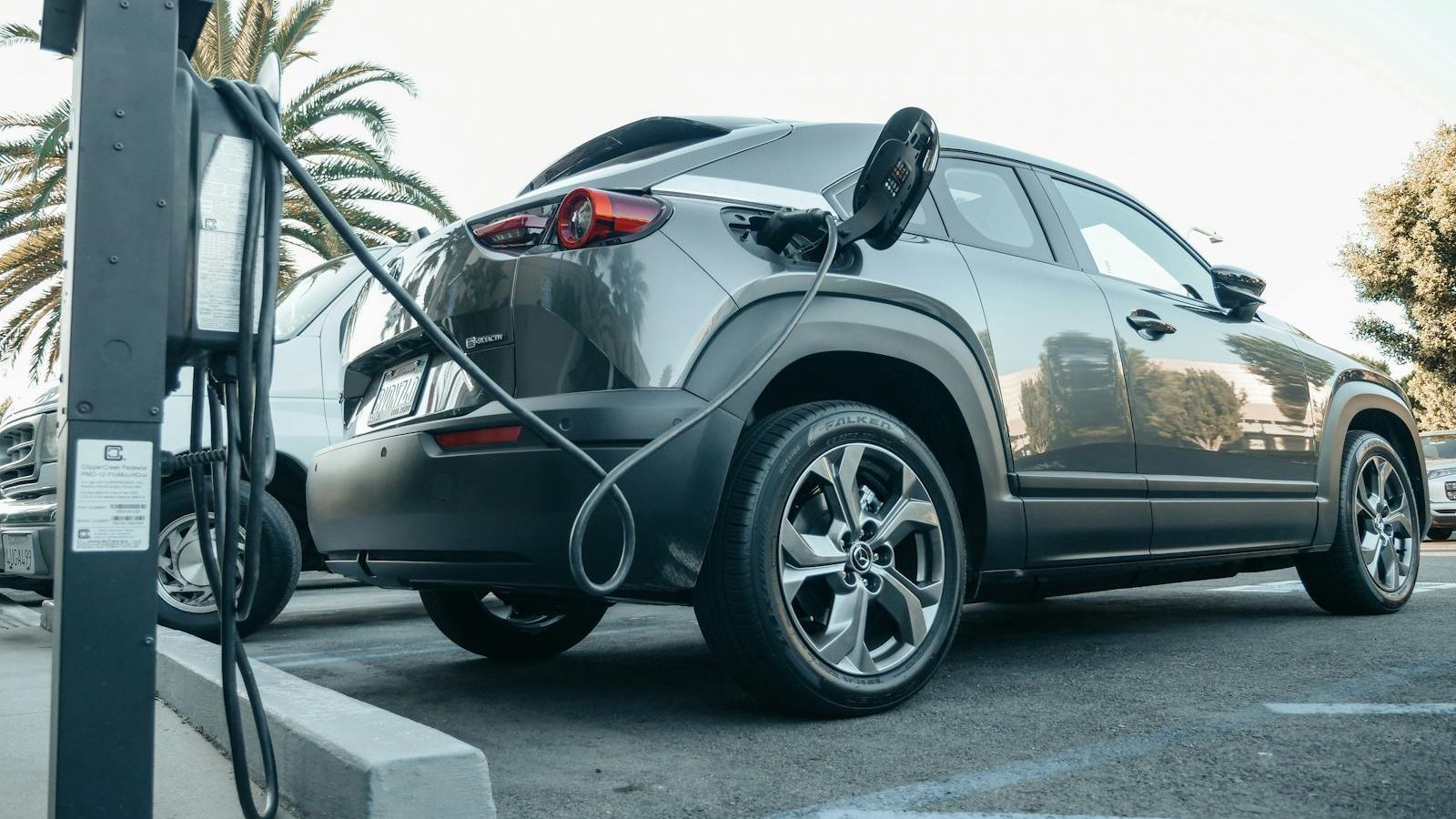
EV battery longevity is mostly the result of a few quiet habits repeated for years, not heroic effort. This guide walks through what actually matters on a daily, weekly, seasonal, and yearly basis, and gently sets aside the advice that sounds careful but does almost nothing. The goal is a pack that still delivers strong range a decade in, without you thinking about it most days.
Battery anxiety has replaced range anxiety for a lot of EV owners. The car works fine, the charger is in the garage, the daily commute is uneventful, and yet there is a low hum of worry about whether each charging session is quietly shortening the life of the most expensive component in the vehicle. That worry is understandable. A replacement pack still costs real money, and the internet is full of strongly worded opinions about what destroys batteries and what saves them.
The good news is that the engineering reality is calmer than the discourse. Modern EV battery packs are designed to handle ordinary use, and the habits that genuinely extend their life are small, repeatable, and easy to fold into a normal week. You do not need a spreadsheet or a charging app obsession. You need a handful of defaults set correctly once, plus a little awareness during temperature extremes. That is essentially the whole job.
The handful of habits that matter most
If you remember nothing else from this article, remember three things. They cover roughly 80 percent of what determines how a pack ages over a decade, and the remaining 20 percent is a collection of smaller refinements that matter only at the margin.
- The 20 to 80 rule. For most nickel-based chemistries like NMC and NCA, keeping the daily state of charge between roughly 20 and 80 percent meaningfully reduces calendar aging. The middle of the range is chemically the gentlest place for a lithium cell to live. Lithium iron phosphate, often labeled LFP, is the exception and generally tolerates and benefits from regular full charges.
- Slow charging at home whenever possible. A Level 2 charger pulling 7 to 11 kilowatts produces far less heat per cell than a DC fast charger pulling 150 kilowatts or more. Heat is the single largest accelerator of degradation, and slow charging at home generates very little of it. If 80 to 90 percent of your charging happens in the driveway at moderate speeds, the occasional fast charge on a road trip barely registers.
- Avoid parking in extreme heat for long periods at high state of charge. A pack sitting at 95 percent in a closed garage at 100 degrees Fahrenheit for a week is in one of the hardest situations you can put it in. Shade, lower target charge levels in summer, and any thermal management the vehicle offers while parked all help.
Almost everything else is either a refinement of these three habits or a smaller variable. If you get these right, you have done the heavy lifting.
Daily: pick the right charging target
The single most useful thing you can do on day one is set your charging target correctly and stop thinking about it. Almost every modern EV lets you set a daily limit somewhere in the settings, often as a slider or a percentage field. For most nickel-based packs, a reasonable default looks like this:
- 70 to 80 percent for normal daily driving
- 50 to 60 percent if you have a short commute and rarely use much of your range
- 100 percent only before a longer trip, set to finish charging close to your departure time
For LFP packs, follow the manual. Many manufacturers now recommend charging LFP to 100 percent at least weekly, partly because the chemistry handles it well and partly because the battery management system uses a full charge to recalibrate its range estimate. Ignoring that recommendation on an LFP car can leave you with a confused range display rather than a healthier battery.
A few related daily habits are worth building in:
- Plug in when convenient, not only when the battery is low. Shallow cycles between, say, 50 and 75 percent are gentler than deep cycles between 10 and 90 percent.
- Use scheduled charging so the car finishes near your departure rather than sitting at the target charge for many hours.
- Avoid letting the battery sit below roughly 10 to 20 percent for long stretches, especially overnight in heat.
If you are still sorting out whether to install a home charger or rely on public charging, the comparison in Level 1 vs Level 2 vs DC fast charging walks through the trade-offs at each tier and helps you match the right setup to your driving pattern.
Weekly: avoid sitting at 100% or 0%
The weekly view is where small mistakes quietly compound. The daily charging target matters most because you live there all the time, but extended stays at the extremes are where unusual stress happens. A pack that spends a Friday night, all weekend, and most of Monday at 100 percent because someone topped it up “just in case” is racking up calendar aging at a faster rate than it would at 70 percent.
A simple weekly rhythm that works for most owners:
- Keep the everyday charging limit at your normal target and let scheduled charging handle the rest.
- If you charge to 100 percent for a trip, leave on time. Try not to let the pack sit at full charge for more than a few hours.
- If you are going on vacation for a week or two, leave the car somewhere between roughly 50 and 70 percent rather than full or empty. Some vehicles even have a “long-term storage” preset that handles this for you.
- If the car will sit unused, check the state of charge every couple of weeks. Vampire drain is small but real, and discovering a pack at 5 percent after a long absence is not what you want.
None of this requires hovering over the app. Setting reasonable defaults and trusting them is the right posture. The pack will tolerate occasional deviations without trouble. What it does not love is patterns, like always charging to 100 percent overnight in a hot garage for years on end.
Seasonally: heat and cold strategies
Temperature is the variable that does the most invisible work on a battery, and it is the easiest one to underestimate because the car still seems to drive fine. Heat is the more damaging of the two over time. Cold is more uncomfortable in the moment but generally less harmful to long-term pack health, assuming the vehicle has a reasonable thermal management system.
In hot weather, the goal is to keep the pack from sitting hot at high state of charge for long periods. Practical habits:
- Park in shade or a garage when you can. Even a few degrees of difference matters over a summer.
- Consider lowering your daily charging limit slightly in the hottest months, say from 80 to 70 percent, if your driving allows it.
- Avoid fast charging immediately after a long highway drive on a hot day if you have an alternative. The pack is already warm, and adding fast-charge heat on top of it is one of the harder situations for cell chemistry.
- Use preconditioning while plugged in before driving in hot weather, since pulling cabin heat from the wall instead of the pack also helps the battery manager keep cell temperatures in range.
In cold weather, the goal shifts toward giving the pack time to warm gently and using shore power for the things that demand heat. Helpful habits include preconditioning the cabin and battery while plugged in before a morning drive, using a Level 2 charger overnight in a garage rather than letting the car sit cold outside on Level 1, and giving the car a few minutes of gentle driving before any DC fast-charge session in deep cold.
Yearly: cell balancing, software, thermal system check
Most of what helps a pack live a long life happens daily, but a few yearly touchpoints are worth knowing about. None of them require a mechanic on most vehicles, and most of them happen automatically if you let the car do its work.
- Cell balancing. The battery management system constantly tries to keep individual cells at similar charge levels. Occasional full charges help this process, which is part of why LFP packs benefit from weekly trips to 100 percent and why nickel-based packs benefit from the rare full charge before a road trip.
- Software updates. Manufacturers regularly refine charging curves, thermal management, and degradation handling over the air. Keep your vehicle software current. Some of the largest single improvements to pack longevity in real-world fleets have come from software, not hardware.
- Thermal system inspection. Most modern EVs use liquid cooling for the battery pack, and the coolant loop has its own service interval, typically every 4 to 8 years depending on the vehicle. Check your maintenance schedule and follow it. A failing thermal system is one of the few things that can quietly accelerate degradation in ways you cannot see until it is significant.
- Tire and alignment health. Not directly a battery item, but inefficient driving makes the pack work harder for the same range. Keeping tires at the right pressure and the alignment correct shows up as slightly less energy needed per mile, which is gentle on the pack over years.
If you want a broader view of habits new owners often get wrong in their first year, our list of five mistakes new EV owners make in year one covers a few related blind spots, including some that quietly affect battery health.
The myths that aren’t worth your stress
A lot of EV battery advice is left over from earlier generations of vehicles and no longer reflects how modern packs behave. Worrying about the wrong things has a real cost, since it adds friction to ownership and crowds out the habits that actually matter. A short list of myths it is safe to set aside:
- “DC fast charging will destroy your battery.” On modern EVs with proper thermal management, the long-term impact of routine fast charging is small. The fleets that get hammered are older vehicles without active cooling, not current cars.
- “You should run the battery to zero occasionally to recalibrate it.” This advice comes from old nickel-cadmium chemistries and does not apply to lithium-ion. Running a modern EV pack to zero is one of the worst things you can do to it.
- “Trickle charging from a regular outlet is gentler than Level 2.” Level 2 charging at 7 to 11 kilowatts is well within the comfortable range for any modern pack. Level 1 is not gentler in any meaningful chemical sense, it is just slower.
- “You need to baby the car for the first thousand miles.” There is no break-in period for an EV battery the way there is for an internal combustion engine. Drive it normally from day one.
If you want a wider tour of the misconceptions still floating around new EV ownership, our piece on five myths new EV owners still believe takes the most stubborn ones apart with current data.
The pattern across everything above is that EV battery longevity is mostly the result of getting a few defaults right and then leaving the car alone to do its job. Set your charging limit. Use slow charging when you can. Be a little kinder to the pack in extreme heat. Let the software update itself. The pack will repay you with strong range for years, and you will spend almost no time thinking about it.
Frequently asked questions
What is the ideal charging range for daily use?
For most EVs with nickel-based batteries, a daily charging limit between 70 and 80 percent is gentler on the pack than charging to 100 percent every night. The middle of the range is the chemically quietest place for a lithium cell to live. Charge to 100 percent only before longer trips, and try to leave on time so the pack does not sit full for many hours. Lithium iron phosphate packs are an exception and often benefit from a weekly full charge for balancing.
Does fast charging actually hurt a modern EV battery?
On modern EVs with active liquid cooling, regular fast charging produces only modest additional degradation over many years compared with slow charging. Studies tracking large fleets have found the difference is typically within a few percentage points across the life of the pack. The harder conditions are fast charging in extreme heat after a long highway run. For typical road trip use combined with Level 2 charging at home, you do not need to avoid DC fast charging.
Is it bad to leave my EV at 100 percent overnight?
Occasional full charges before a trip are fine. The pattern that adds up over years is sitting at 100 percent for long stretches in heat, like a full charge in a hot garage for a whole weekend. If you must charge to 100 percent, try to leave shortly after charging finishes. Use scheduled charging to time the finish near your departure, which is gentler than reaching full charge at midnight and sitting there until morning.
How should I store an EV if I will not drive it for a few weeks?
Leave the pack somewhere between roughly 50 and 70 percent rather than full or empty. This is the calmest state of charge for long-term storage and reduces both calendar aging and the risk of a deeply discharged pack. Some vehicles offer a long-term storage setting that handles this automatically. Park in shade or a garage if possible, and check the state of charge every couple of weeks if the car will sit for longer than a month.
Do I need to do anything special in winter to protect the battery?
Cold weather is generally less harmful to long-term pack health than extreme heat, but a few habits help. Precondition the cabin and battery while plugged in before driving in deep cold. Use Level 2 charging in a garage overnight rather than leaving the car cold on Level 1 outside. Give the car a few minutes of gentle driving before any DC fast-charge session in very cold weather. None of this requires special equipment, just slightly more lead time before drives.
How long should I realistically expect an EV battery to last?
Most modern EV packs retain roughly 85 to 92 percent of original capacity at 100,000 miles, and many continue past 200,000 miles with usable range. Manufacturers typically warranty packs for 8 years and 100,000 miles to at least 70 percent capacity, and most exceed that target. Expect a small early drop in the first year or two, then a slow decline of roughly 1 to 2 percent per year under typical use. Gentle daily habits push that curve in your favor.
Read next in EV & Battery Basics
If this guide was useful, these two neighbouring pieces will fill in the surrounding context:
Sources and further reading
For the underlying data behind the numbers in this guide, and for the standards, incentive programs, and safety rules referenced throughout, see:
Related guides
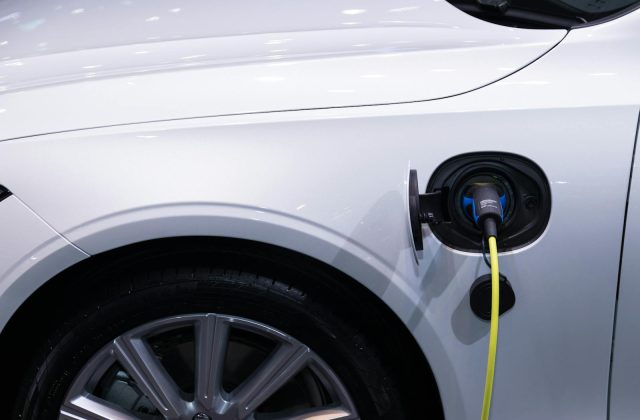
Step by Step: Installing a Home Level 2 Charger
Installing a Level 2 charger at home sounds intimidating, but the process breaks down into five small steps that you and a licensed electrician can plan in an afternoon. This guide walks…

A Realistic Budget for a Home Battery Backup System
A reader in Georgia recently asked me what a "real" home battery budget looks like once you stop reading press releases and start reading quotes. The short version is somewhere between $8,000…
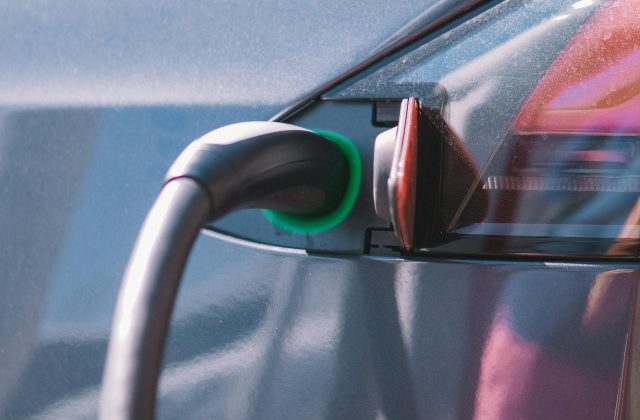
An Honest Look at Third-Party EV Charging Cables
Third-party charging cables can save money or quietly create real safety problems, and the difference is rarely obvious from a product page. This guide walks through what those cables actually are, which…