Five Mistakes New EV Owners Make in Year One
The first year of EV ownership is when habits get set, and most of those habits come from how we drove gas cars. A few of them quietly cost you range, money,…

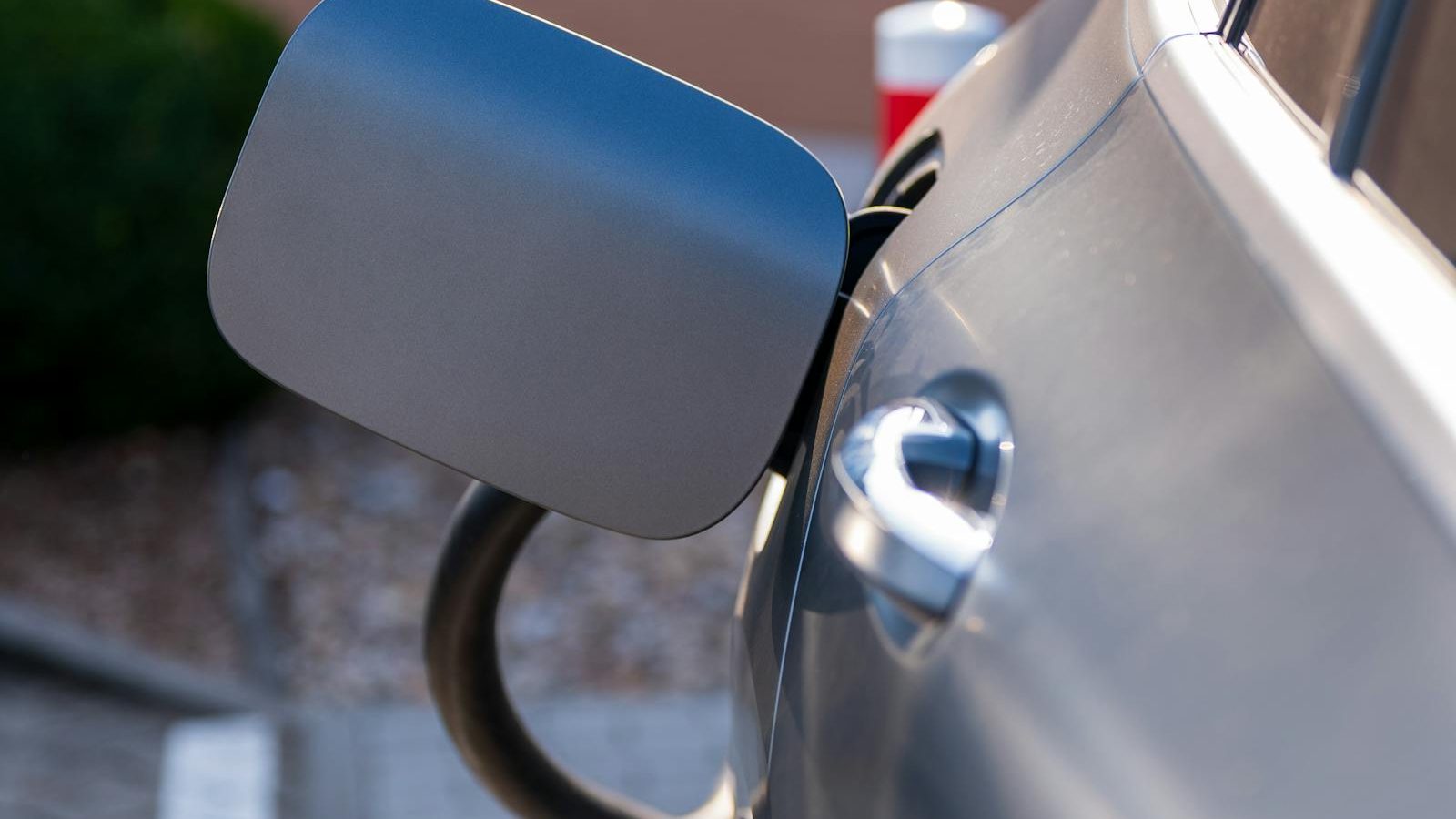
The first year of EV ownership is when habits get set, and most of those habits come from how we drove gas cars. A few of them quietly cost you range, money, or battery life over the next decade. Here are five mistakes I see often, with calmer alternatives you can adopt this week.
The first year with an EV is mostly delightful. You stop visiting gas stations. Your morning commute starts with a full tank you did not have to think about. The car is quiet, quick off the line, and cheaper to fuel than anything you have ever owned. So when new owners run into trouble, it is rarely catastrophic. It is usually a small habit, carried over from a lifetime of combustion driving, that compounds quietly across the first 12 months.
I have helped enough first-year EV owners to notice the same handful of mistakes showing up across very different vehicles and households. None of them will brick your car. Most will not even show up on your dashboard. But each one nudges your battery, your wallet, or your tires in a direction you did not intend. The good news is that all five are easy to fix once you know what to look for. Here they are, in roughly the order I see them happen.
Mistake #1: Defaulting to 100 percent charge nightly
This is the most common first-year habit, and it comes from somewhere reasonable. Phones charge to 100 percent overnight. Laptops charge to 100 percent overnight. So when you plug in your EV at bedtime, leaving it set to a full charge feels like the responsible thing to do. More range tomorrow morning, more flexibility, fewer surprises.
The problem is that lithium-ion cells prefer to live in the middle of their range. Holding a nickel-based pack at 100 percent for hours every night, especially in a warm garage, accelerates calendar aging in ways that show up as range loss two or three years later. Most manufacturers now recommend a daily limit of roughly 70 to 80 percent for NMC and NCA chemistries, with full charges reserved for trip days. Lithium iron phosphate packs are different and often want a weekly full charge for battery management calibration, so check your manual before assuming.
A reasonable nightly rhythm for most EVs looks like this:
- Set a daily charge limit of 70 to 80 percent for nickel-based packs, 100 percent for LFP packs that the manual recommends topping up
- Schedule a 100 percent charge to finish shortly before departure on long trip days, not the night before
- Plug in when convenient rather than waiting for low charge, since shallow cycles between roughly 30 and 80 percent are gentler than deep ones
- Avoid leaving the car sitting at very high or very low charge for days at a time, especially in heat
Changing this one setting in the app is usually a 30 second job. For a deeper walk through the small choices that protect your pack over a decade, our guide to extending an EV battery lifespan is a good companion.
Mistake #2: Treating DC fast charging as the default
Some new owners, especially those without home charging set up yet, default to DC fast charging for everything. It is fast. It is everywhere along major corridors. And after years of pulling into gas stations, the rhythm of stopping somewhere to refuel feels familiar in a way that home charging does not.
For occasional road trip use, DC fast charging is fine. Modern packs with active thermal management handle it well, and long-term studies show only a few percentage points of extra degradation between heavy and light fast charging users over many years. But making it your everyday refuel method costs more than it saves. Per-kilowatt-hour fast charging rates are usually 2 to 4 times what you pay at home, and frequent fast charging in hot weather does measurably stress the pack more than gentle Level 2 charging overnight.
If home charging is not yet practical for your situation, a few middle-ground options are usually cheaper than relying on DC fast:
- A standard 120 volt outlet, sometimes called Level 1, can add roughly 3 to 5 miles of range per hour, which covers most daily commutes if you can plug in overnight or at work
- A 240 volt Level 2 setup at home typically adds 20 to 40 miles of range per hour, depending on the amperage of the circuit and the car’s onboard charger
- Workplace charging, often free or low cost, can replace most of your weekly energy needs without ever visiting a public station
For a clearer view of the tradeoffs between each charging tier, including realistic install costs and speeds, our comparison of Level 1 vs Level 2 vs DC fast charging breaks down what each option actually delivers.
Mistake #3: Ignoring scheduled charging at off-peak rates
Most utilities now offer time-of-use pricing, where electricity costs noticeably less overnight and on weekends than during peak afternoon hours. The savings are real. In many regions, off-peak rates run 50 to 70 percent below peak rates, and EV-specific plans sometimes offer overnight rates as low as 6 to 10 cents per kilowatt-hour compared to 25 to 40 cents at peak.
The mistake is plugging in when you get home, letting the car start charging immediately at peak rates, and never enabling the scheduled charging feature that is already built into the car or the charger. Most new owners do this for the first few months without realizing they are paying double for power they could be getting at half price by shifting the start time by four hours.
Two quick wins are worth setting up in your first week:
- Call your utility and ask whether they offer a time-of-use plan or EV-specific rate. Many will switch you with a single phone call, and some will even credit you the difference for several months as an incentive
- Use the scheduled charging setting in your car’s app or your charger’s app to start sessions at the beginning of the off-peak window, usually somewhere between 9 PM and midnight, depending on your utility
Mistake #4: Skipping tire rotation because EVs feel low maintenance
EVs need fewer service visits than gas cars. No oil changes, no spark plugs, no timing belts, no transmission fluid. So new owners often stretch their service intervals well past what the manual recommends, especially in the first year when nothing feels like it needs attention.
Tires are the exception, and they are the exception that catches almost everyone off guard. EVs eat tires faster than comparable gas cars for two reasons. They weigh roughly 10 to 30 percent more because of the battery, which puts more load on each contact patch. And instant torque on acceleration scrubs the rubber harder, especially on the drive wheels. The combined effect typically shortens tire life by 20 to 30 percent compared to a similar gas vehicle, and uneven wear shows up faster when you skip rotations.
A reasonable tire routine for the first year looks like this:
- Rotate tires every 5,000 to 7,500 miles, sometimes more frequently for dual-motor or performance EVs that wear front and rear unevenly
- Check tire pressure monthly, especially in cold weather when pressure drops roughly 1 PSI for every 10 degrees Fahrenheit of temperature decrease
- Expect to replace tires somewhere between 25,000 and 40,000 miles for most EVs, depending on driving style and tire choice
- Consider EV-specific tires when replacing, which are designed to handle the extra weight and torque while reducing road noise that is more audible in a quiet EV cabin
The cost surprise is real. Replacing four tires on a midsize EV often runs $800 to $1,400 installed, depending on the size and brand, and it tends to happen earlier than new owners expect. Rotating on schedule does not eliminate that cost, but it usually adds several thousand miles to the set you already paid for.
Mistake #5: Not signing up for the manufacturer’s app for OTA updates
Modern EVs are partly software products. They receive over-the-air updates that fix bugs, add features, improve charging speeds, refine range estimates, and occasionally improve battery management in ways that meaningfully extend pack life. Some updates are pushed automatically, but many require you to opt in through the manufacturer’s app, accept terms, and confirm the install window.
New owners who never set up the app, or who installed it once and never logged back in, often miss months of improvements. I have met owners on year-old cars running software from delivery day, with three or four pending updates queued up that they never noticed because they never opened the app after the first week.
What the app typically gives you, beyond updates:
- Remote preconditioning, so the cabin is warm or cool and the battery is ready before you walk out the door
- Charging session control, including the ability to stop, start, or schedule charges from anywhere
- Real-time charge status and notifications when sessions complete or get interrupted
- Range and efficiency tracking over time, which is useful for spotting changes in pack behavior
- Vehicle location and lock status, which is genuinely handy in large parking lots
If you have not opened the app since delivery, this week is a good time to log back in, accept any pending updates, and turn on notifications for charging events. The updates are free, they often improve the car in measurable ways, and missing them is one of the few EV mistakes that has a fix you can complete in five minutes.
The pattern across all five
If you look at these five mistakes side by side, the throughline is the same. Each one comes from carrying a gas-car habit, a phone-charging habit, or a general “set it and forget it” instinct into a vehicle that rewards slightly different routines. None of them require you to become a hobbyist or learn new vocabulary. They require you to change a setting, make a phone call, schedule a service appointment, or open an app you already have.
The first year is when these habits set. The owners I know who love their EVs three and five years in are not the ones who studied the most or spent the most. They are the ones who made four or five small adjustments in the first few months and then stopped thinking about it. The car quietly thanks them for it across the rest of the decade.
If you want a companion read on what is true and what is outdated in EV advice, our guide to five myths new EV owners still believe covers the misconceptions that often drive these same mistakes in the first place.
Frequently asked questions
Is it really a problem to charge my EV to 100 percent every night?
For most EVs with nickel-based batteries, daily charging to 70 or 80 percent is gentler on the pack and recommended by the manufacturer. Sitting at full charge for hours, especially in heat, accelerates calendar aging in ways that show up as range loss two or three years out. Charge to 100 percent before long trips, and time the session to finish shortly before departure. Lithium iron phosphate packs are an exception and often want weekly full charges, so check your manual.
How often should I rotate the tires on my EV?
Plan on rotating every 5,000 to 7,500 miles, with shorter intervals for dual-motor or performance vehicles that wear unevenly. EVs typically wear tires 20 to 30 percent faster than comparable gas cars because of the added battery weight and instant torque on acceleration. Combined with monthly pressure checks, regular rotation usually adds several thousand miles to the set, which matters because replacement runs 0 to
Frequently asked questions
,400 installed for many midsize EVs.
Will using DC fast chargers every day damage my battery?
On modern EVs with active thermal management, occasional fast charging has only a small long-term impact. Daily fast charging is harder on the pack and significantly more expensive, often 2 to 4 times the per-kilowatt-hour cost of home charging. If home charging is not yet practical, a standard 120 volt outlet or workplace charging usually covers most daily needs at a fraction of the cost, with much less stress on the battery over time.
Are time-of-use electricity rates really worth switching to?
For most EV owners, yes. Off-peak rates in many regions run 50 to 70 percent below peak rates, and EV-specific plans sometimes offer overnight rates as low as 6 to 10 cents per kilowatt-hour. Call your utility, ask about EV plans, and use your car or charger app to schedule sessions during the off-peak window. The savings on a typical household with one EV often run several hundred dollars per year with almost no effort after setup.
Do I actually need to use the manufacturer app?
You do not strictly need it, but skipping it means missing over-the-air updates that fix bugs, add features, and sometimes improve battery management in ways that extend pack life. The app also enables remote preconditioning, charging session control, real-time status notifications, and range tracking over time. If you have not opened it since delivery, log back in, accept any pending updates, and turn on charging notifications. The whole setup takes about five minutes.
What is the single most important habit to set in year one?
If you only adopt one habit, set a daily charge limit of 70 to 80 percent for a nickel-based pack and combine it with scheduled charging during off-peak hours. That one change protects battery longevity, lowers your electricity cost, and shifts your routine from gas-car thinking to EV thinking without requiring any new knowledge. Everything else on the list matters, but this is the habit with the largest combined impact over the first several years.
Read next in EV & Battery Basics
If this guide was useful, these two neighbouring pieces will fill in the surrounding context:
Sources and further reading
For the underlying data behind the numbers in this guide, and for the standards, incentive programs, and safety rules referenced throughout, see:
Related guides
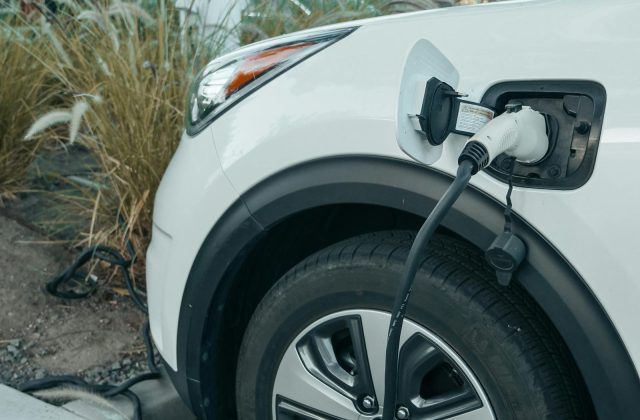
Level 1 vs. Level 2 vs. DC Fast Charging Compared
Three charging options cover almost every EV owner today, and they are not interchangeable. This guide walks through Level 1, Level 2, and DC fast charging in plain language with simple math…
Choosing a Home Battery for Power Outages
A reader in upstate New York emailed me last winter after losing power for three days during an ice storm. She had been looking at home batteries online for weeks and was…
An Honest Budget for Going Electric, Without Surprises
A neighbor asked me last spring what going electric would actually cost, all in. She had read three glowing articles and one terrifying one, and she did not know which to believe.…