Choosing the Right Solar Inverter Without Overpaying
A reader emailed me last month asking why one quote listed a $1,200 inverter and another listed a $4,800 one for the same size system. Both installers swore theirs was the right…

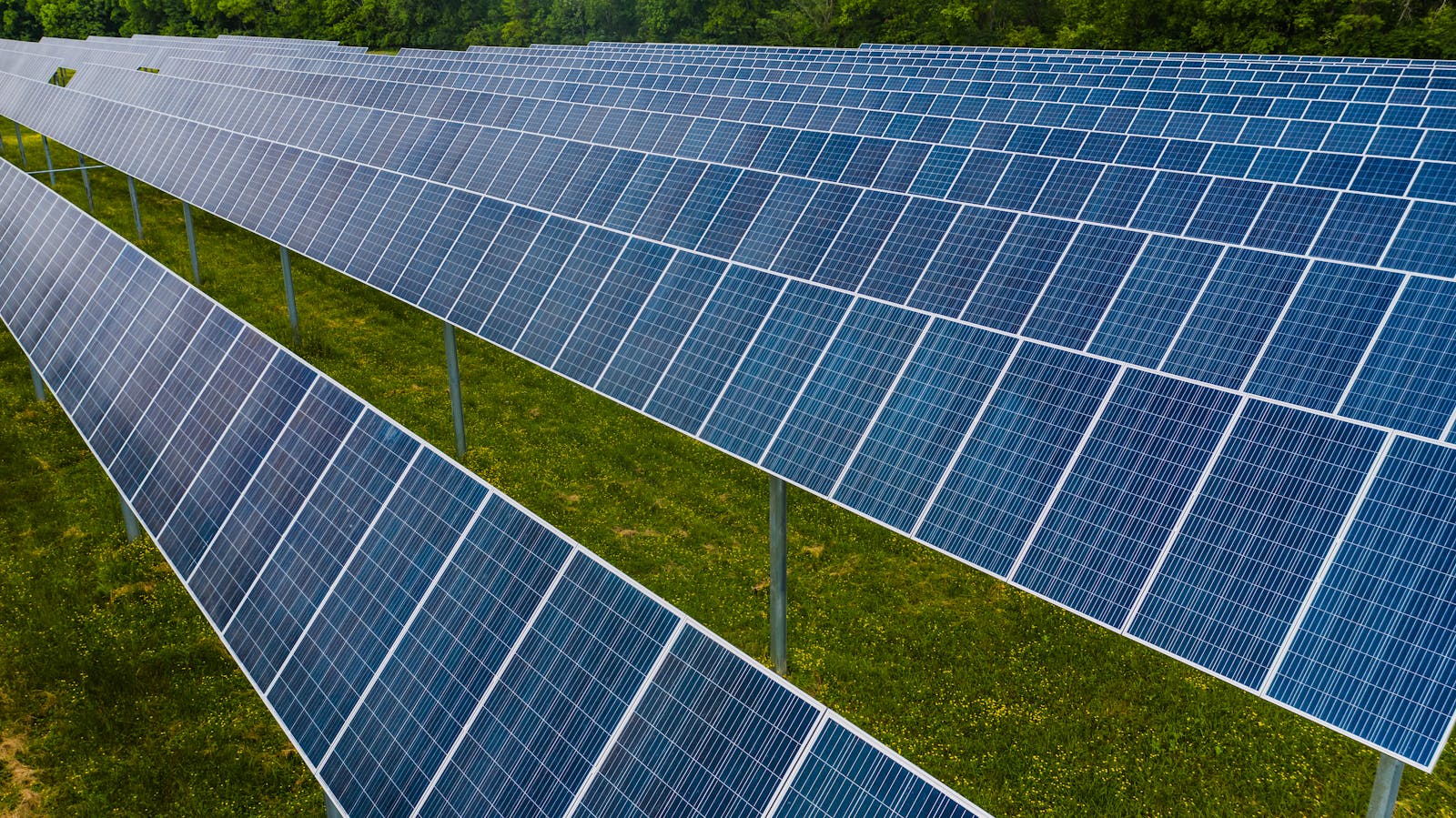
A reader emailed me last month asking why one quote listed a $1,200 inverter and another listed a $4,800 one for the same size system. Both installers swore theirs was the right choice. The honest answer is that inverters are where solar quotes quietly diverge, and where most first-time buyers either pay too much or pick the wrong type for their roof. This guide walks through what an inverter does and how to choose one that fits.
The solar panels get all the attention, but the inverter is the box that actually decides how much electricity your home receives. It is also the part of the system most likely to fail first, and the line item where installer pricing varies the most for reasons that are not always obvious to the buyer. So before you sign any contract, it is worth understanding what you are paying for, what trade-offs you are accepting, and roughly what a fair number looks like in 2026.
I am going to keep this practical. No vendor names, no brand worship, no breathless claims about new technology that has not been field-tested. Just the categories of inverters available today, where each one fits, and what to watch out for on your quote.
What an inverter actually does
Solar panels produce direct current (DC) electricity. Your house, your appliances, and the utility grid all run on alternating current (AC) electricity. An inverter is the device that converts DC to AC so your panels can actually power your fridge and feed any surplus back to the grid. It also handles safety functions like shutting down during a power outage so utility workers do not get shocked while repairing lines, and it tracks how much energy your system is producing so you can see it on an app or monitor. Without an inverter, panels are just expensive glass.
String inverters vs microinverters
Almost every residential solar system uses one of two architectures: a single string inverter mounted on a wall, or many small microinverters mounted one per panel on the roof. Both work. They have different strengths and different price points, and the right answer depends on your roof.
String inverters are the older, simpler approach. All your panels are wired together in a “string” and feed DC power down to one central inverter, usually mounted in a garage or on an exterior wall. The conversion to AC happens in that one box.
- Lower upfront cost, often $1,000 to $2,500 for the inverter on a typical 6 to 8 kW system
- Easier to service because there is only one unit to inspect or replace
- Whole-string penalty: if one panel is shaded or dirty, the entire string drops to that lowest level
- Typical warranty of 10 to 12 years, with extended coverage available as a paid add-on
Microinverters flip the model. Each panel gets its own tiny inverter clipped to the back of the frame, and the AC conversion happens up on the roof. Each panel then operates independently.
- Higher upfront cost, often adding $1,500 to $3,500 versus a string setup on the same system size
- Per-panel optimization: shade on one panel does not drag down the others
- Per-panel monitoring, which makes troubleshooting and warranty claims much easier
- Typical warranty of 20 to 25 years, often matching the panel warranty
- Service involves climbing on the roof if a single unit fails, which can mean higher labor cost
The simple rule I give people: if your roof has any meaningful shade from trees, chimneys, vents, or neighboring buildings, or if you have panels facing two or more different directions, microinverters usually earn their cost back through better lifetime production. If you have one clean, unshaded south-facing plane and want the lowest possible upfront price, a string inverter is the right call. Power optimizers (small devices added to each panel that work with a string inverter) are a middle ground that captures some of the shading benefit at a lower cost than full microinverters, and they remain a popular choice with many installers.
Hybrid inverters (when batteries are in the picture)
A hybrid inverter is built to manage both solar panels and a battery from one unit. If you are planning to add storage now or within the next few years, a hybrid is often the cleaner choice because it avoids the cost and complexity of bolting on a separate battery inverter later.
Here is the rough decision tree I walk readers through. If you have no interest in batteries and your utility still offers retail-rate net metering, a standard string or micro setup is fine. If you live in a place where the utility has cut export credits sharply (California under NEM 3.0 is the obvious example), or if you experience regular outages, or if you simply want backup power for resilience, a hybrid inverter starts to make sense from day one.
Cost-wise, expect a hybrid inverter to add roughly $1,500 to $3,500 over a comparable non-hybrid string inverter, though that gap has been shrinking each year. If you are buying solar today and “maybe a battery in three years,” ask your installer to price both paths: one with a hybrid inverter now, and one with a standard inverter now plus a battery-only inverter added later. The hybrid path is often cheaper in total. The non-hybrid path is sometimes preferred if you genuinely will never add a battery, because you avoid paying for capability you do not use.
One word of caution. Some hybrid inverters only work with specific battery brands. Confirm compatibility with at least two battery options before you commit, so you are not locked into one vendor’s pricing later.
Warranty and lifespan reality
This is the part of the inverter conversation that catches the most buyers off guard. Solar panels are typically warranted for 25 years. String inverters are usually warranted for 10 or 12 years, sometimes extendable to 20 or 25 for an additional fee that runs $400 to $1,200. Microinverters are typically warranted for 25 years out of the box. That difference matters because real-world data from large installer networks shows that string inverters frequently fail somewhere between year 10 and year 15, while panels keep producing into year 25 and beyond.
What that means in practice: if you buy a system with a 10-year string inverter warranty, plan on a replacement event around year 12. Budget $1,500 to $3,000 for the inverter itself plus labor, depending on system size. This is not a horror story; it is a normal maintenance cost that should be on your radar from the start. If you would rather avoid that event entirely, paying upfront for an extended warranty or choosing microinverters with a 25-year warranty are both legitimate strategies. There is no objectively right answer, just a trade-off between higher upfront cost and lower mid-life cost.
When you read warranty terms, watch for two things. First, does the warranty cover labor and shipping, or only the replacement part? A “free” inverter swap can still cost you $400 to $800 in labor if labor is excluded. Second, who handles the claim? Manufacturer warranties are honored by the manufacturer, but if your installer goes out of business (which happens often in this industry), filing a claim becomes your job. Picking an inverter brand with strong direct-to-homeowner support matters more than most people realize.
Pricing ranges and how to spot overpaying
Here are honest 2026 US installed price ranges for the inverter portion of a residential solar system. These assume a typical 6 to 8 kW rooftop install and include the inverter hardware plus a normal share of labor. Your local market may vary by 15 to 25 percent.
- Standard string inverter (6 to 8 kW): roughly $1,200 to $2,800 installed
- String inverter with power optimizers (per panel): add $400 to $900 total over a bare string setup
- Microinverters (one per panel, 18 to 24 panels): roughly $2,800 to $5,200 installed
- Hybrid inverter (battery-ready): roughly $2,500 to $5,500 installed
- Extended warranty on a string inverter (10 to 25 years): $400 to $1,200 one-time
If you are seeing inverter pricing well above these ranges, ask for a specific justification. Sometimes there is one: a complex roof, conduit runs through finished space, or a high-end model with extra features you actually need. Sometimes there is not, and the markup is just where the installer is making margin. The way to find out is to get a second and third quote with the same panel count and compare the inverter line items directly. Comparing apples to apples is the whole point, and it is the same exercise I walk through in how to read a solar installer quote.
One more pricing trap worth flagging: tier-one panels paired with a bargain-basement inverter. The panels look impressive on paper, but the inverter is the part doing the daily work. Spending $18,000 on a system and skimping $800 on an inverter that fails in year 8 is a poor trade. Conversely, paying premium for a top-tier inverter when your panels are budget models is overkill. Match the quality tier of your inverter to your panels, not to the highest spec on the shelf.
If you are still deciding on panels themselves, monocrystalline vs polycrystalline panels covers that side of the equation, and once you have the equipment shortlisted you can run the full numbers using the honest solar payback budget guide to see how the inverter choice affects your overall return. The inverter is one piece of a larger picture, but it is the piece installers count on most buyers not asking enough questions about.
The right inverter is the one that fits your roof, your shade pattern, your battery plans, and your willingness to deal with a mid-life replacement. Not the one with the prettiest brochure, and not the cheapest line on the quote.
Get three quotes. Compare the inverter line items side by side. Ask each installer to explain why they recommend the type they did. If the explanation is vague, that is information too.
Frequently asked questions
Are microinverters always worth the extra cost?
Not always. Microinverters genuinely earn their cost back on roofs with shade, multiple panel orientations, or where per-panel monitoring matters. On a clean, single-plane, unshaded south-facing roof, a string inverter with optional power optimizers usually delivers comparable lifetime production at lower upfront cost. The decision should follow your specific roof, not a blanket recommendation. Ask your installer to show production estimates for both options.
How long does a typical solar inverter last?
String inverters typically last 10 to 15 years in real-world conditions, even though some carry 20-year extended warranties. Microinverters are designed for 25-year life and field data so far supports that, though the technology has only been mass-deployed for about 15 years. Plan to budget
Frequently asked questions
,500 to ,000 around year 12 if you choose a standard string inverter, or pay upfront for an extended warranty to avoid the event.
Do I need a hybrid inverter if I might add a battery later?
Probably yes, if “later” means within 3 to 5 years. A hybrid inverter installed today costs roughly
Frequently asked questions
,500 to ,500 more than a standard inverter, but adding a separate battery inverter later often costs ,000 to ,000 plus labor. The math usually favors going hybrid upfront. If you are genuinely uncertain about batteries, ask for both quotes and compare total cost over a 10-year window.
What is a fair price for a residential string inverter in 2026?
For a typical 6 to 8 kW system, expect roughly
Frequently asked questions
,200 to ,800 installed for a standard string inverter. Adding power optimizers per panel adds another 0 to 0. Microinverters land between ,800 and ,200 installed for the same system size. Anything significantly above these ranges should come with a specific justification from your installer, like complex conduit runs or premium model upgrades.
Does the inverter warranty cover labor if it fails?
Not always. Many inverter warranties cover the replacement part but exclude labor and shipping, which can leave you with a 0 to 0 bill even on a covered claim. Read the warranty document carefully and ask the installer whether they offer a separate workmanship warranty that bridges this gap. The strongest coverage combines a long manufacturer parts warranty with a 10-year-plus installer labor warranty.
Can I switch inverter brands later if I am unhappy?
Technically yes, but it is rarely cost-effective. Swapping inverter brands usually means replacing the inverter itself plus any brand-specific monitoring hardware, and microinverter systems involve climbing on the roof for every unit. Expect ,000 to ,000 in labor and hardware depending on system size. The better strategy is choosing a reputable, widely supported brand from the start so you have flexibility on service providers later.
Read next in Solar Basics
If this guide was useful, these two neighbouring pieces will fill in the surrounding context:
Sources and further reading
For the underlying data behind the numbers in this guide, and for the standards, incentive programs, and safety rules referenced throughout, see:
Related guides
Five Mistakes Beginners Make When Buying Solar
Most people I meet who regret their solar purchase did not buy a bad system. They bought a fine system the wrong way. They moved too fast, trusted the first friendly voice…

Five Solar Power Myths Quietly Costing Homeowners Money
Solar advice ages fast, and a lot of what people repeat at backyard barbecues was true a decade ago and is not true now. If you have ever talked yourself out of…
Solar Panels Explained for Complete Beginners
My neighbor in Portland once asked me, over the fence, whether solar panels still work on cloudy days. It is a fair question, and one I heard constantly in my community-energy days.…