Small Wind Turbines Explained for Homeowners
A reader emailed me last fall with a photo of her rural property and one question: would a small wind turbine actually make sense out here? It is a question I hear…

A reader emailed me last fall with a photo of her rural property and one question: would a small wind turbine actually make sense out here? It is a question I hear a lot, usually wrapped in a mix of curiosity and skepticism. This guide is the slow, honest walkthrough I wish more people had before they fall in love with a glossy product page.
Wind power has a strange reputation among homeowners. People either picture the giant white turbines from highway road trips, or they picture tiny rooftop spinners that look like garden ornaments. The reality of small residential wind sits somewhere in between, and it has a much narrower sweet spot than most catalogs admit.
This guide walks you through what a small turbine actually is, what parts make it up, what kind of land and wind you really need, and the paperwork side that quietly decides whether the whole project is even possible. By the end, you should be able to look at a brochure and quickly tell whether a turbine is plausible for your property or whether your money would be happier somewhere else.
What “small wind” actually means
In the wind industry, “small wind” is a defined category, not just a vibe. The U.S. Department of Energy and most international standards draw the line at 100 kilowatts (kW) of rated capacity. Anything above that is utility-scale or commercial. Anything below is small wind. Within that small wind bucket, residential systems usually fall between 1 kW and 10 kW, with the most common backyard-sized units landing around 2 kW to 6 kW.
For scale, here is what those numbers tend to mean in practice:
- 400 W to 1 kW micro turbines: useful for charging a battery bank on a cabin, sailboat, or off-grid shed. Not meaningful contributors to a normal household electric bill.
- 2 kW to 5 kW residential turbines: the typical backyard size for a home with real wind and real land. Can offset a meaningful share of household use in the right conditions.
- 5 kW to 10 kW turbines: larger residential or small farm scale. Tower heights start to climb past 80 feet, and the engineering and permitting effort climbs with them.
The rated capacity number is a peak figure, reached only at the turbine’s design wind speed (often around 25 mph). Actual annual energy production depends on how often your site sees usable wind, which is a separate conversation we will get to below.
One quick framing note before we go further: a small wind turbine is rarely a standalone answer. In most modern setups it pairs with rooftop solar, because the two resources tend to complement each other across seasons. If that pairing is what you are circling, I wrote a slower walkthrough in how hybrid solar wind systems work.
The parts of a small turbine
A small wind system has four main pieces, and naming them helps a lot when you read product specs or installer quotes.
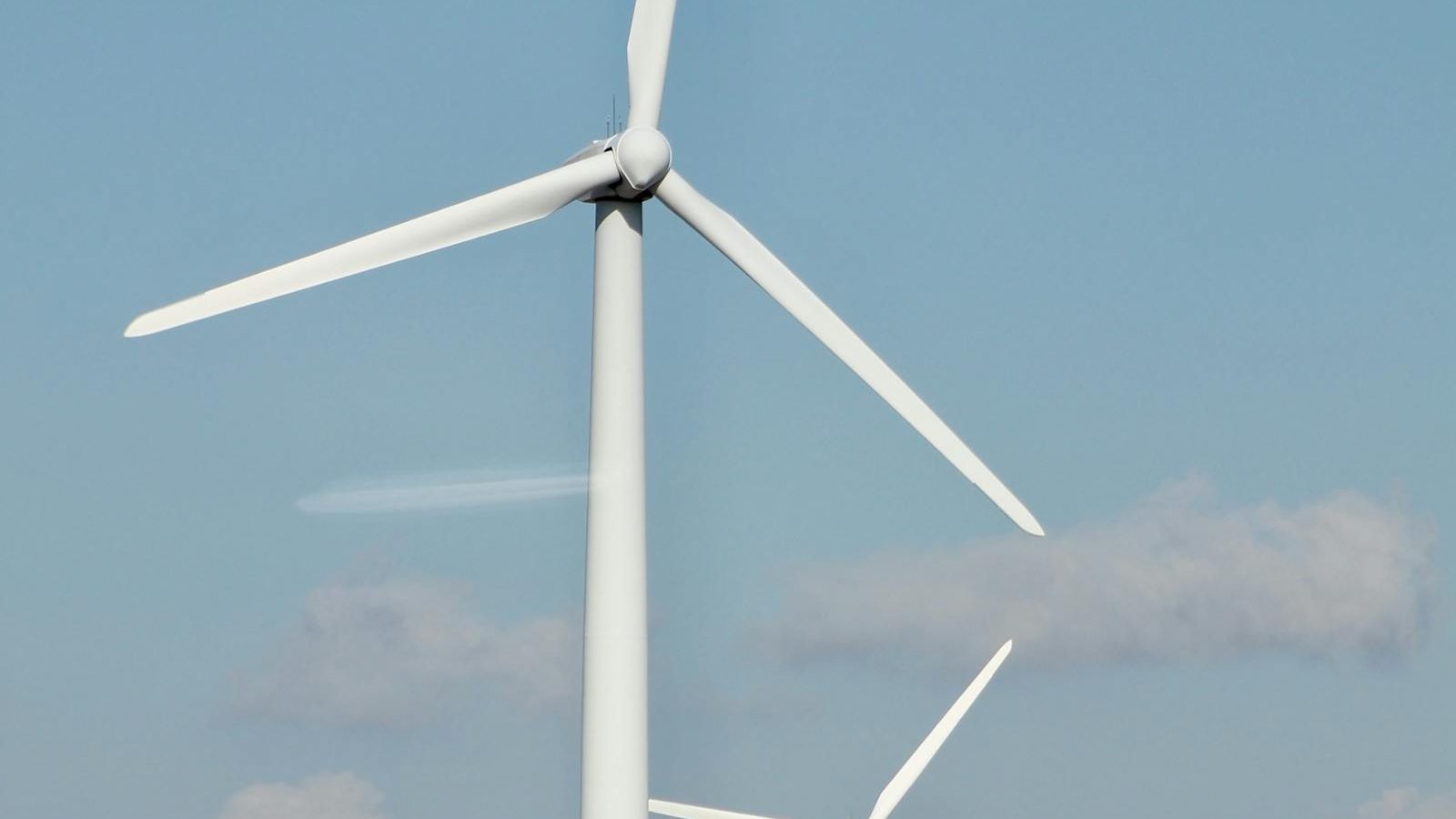
The rotor. This is the spinning part: the blades plus the central hub. Most residential turbines use a horizontal-axis design with two or three blades that face into the wind, the silhouette most people picture. Vertical-axis designs exist (the ones that look like spinning eggbeaters) and they handle turbulent wind a bit better, but they typically produce less energy per dollar in clean wind, so they are a niche choice. Rotor diameter matters more than blade count: a wider sweep catches more wind, and energy capture scales with the square of the diameter.
The generator. Inside the housing behind the rotor sits the generator, which converts the rotor’s spinning motion into electricity. Most modern small turbines use a direct-drive permanent magnet generator, which means no gearbox to wear out. The electricity comes out as variable-frequency AC, which is then converted to DC and back to clean grid-quality AC by the controller and inverter.
The tower. This is the boring part that quietly does the most important work. Wind speed increases dramatically with height, and turbulence from trees, buildings, and ground features fades as you go up. The general rule of thumb in the small wind industry is that the bottom of the rotor should sit at least 30 feet above anything within 500 feet. For most properties that means a tower somewhere between 60 and 120 feet tall. A turbine on a 30-foot pole next to a two-story house will almost always disappoint, no matter how nice the brochure looks.
The controller and inverter. These components manage the electrical side: regulating output, protecting the generator from overspeed, syncing with the grid (or with batteries in an off-grid setup), and shutting things down safely in a storm. In a grid-tied home, the inverter feeds power into your main electrical panel the same way a solar inverter does, and any surplus flows back to the utility under whatever net metering arrangement your state offers.
Costs for the whole package, fully installed, are higher than most newcomers expect. A typical 5 kW residential turbine in 2025 runs roughly $15,000 to $40,000 installed, with the wide range driven mostly by tower height, site work, and local labor rates. A 10 kW system can land between $30,000 and $70,000. These are ballpark figures and your local quotes will vary, but they are useful for sanity-checking marketing claims.
What kind of property they suit
Here is the honest part. Small wind is not a suburb-friendly technology. It rewards three things that most residential lots simply do not have: open land, strong consistent wind, and vertical clearance.
A reasonable rule of thumb for whether your property is even a candidate:
- At least one acre of land, and ideally more. The American Wind Energy Association historically suggested one acre as a minimum, and most installers I have spoken to consider that the floor, not the goal.
- Average annual wind speed of at least 10 mph (about 4.5 m/s) at hub height. Below that, the turbine spends too many hours below its cut-in speed and the economics fall apart.
- Open exposure in the direction of prevailing wind. Trees, hills, and neighboring buildings create turbulence that both reduces output and shortens turbine lifespan.
- Setback room for a tall tower. Most jurisdictions require the tower to be set back from property lines by at least its full height plus a margin, so a 100-foot tower needs serious yard.
If your home sits on a quarter-acre suburban lot surrounded by other houses and mature trees, small wind is almost certainly the wrong tool. Solar will do more for you with less drama. If you are weighing the two against each other for a typical residential setting, I broke it down in wind vs solar for an average home.
Permit, zoning, and neighbor realities
This is the section that surprises people. The hardware decision is usually easier than the paperwork decision.
Local zoning rules govern almost every aspect of a small wind project: maximum tower height, setback from property lines, noise limits, visual impact reviews, and sometimes outright bans in residential zones. Some rural counties are friendly and have streamlined small wind ordinances. Some suburban townships have effective bans dressed up as height limits. You will not know until you call your local zoning office and ask, ideally before you spend a dollar.
The common friction points worth knowing about up front:
- Height limits. Many residential zones cap accessory structures at 35 feet, which is far too short for a useful turbine. You may need a variance or special use permit, which means hearings and neighbor notifications.
- Setbacks. A “fall zone” setback equal to tower height (or 1.1x tower height) is common. A 100-foot tower needs at least 100 feet of clearance from every property line.
- Noise ordinances. Modern turbines are quieter than they used to be, but they are not silent. Most produce 40 to 55 decibels at the property line, which is comparable to a refrigerator hum but more rhythmic. Some ordinances cap nighttime sound at 45 dB.
- HOA covenants. If you are in a homeowners association, read the covenants carefully. Many ban anything resembling a turbine. Some states have laws that limit how restrictive an HOA can be about renewable energy, but the protections vary widely.
- Neighbor relations. Even if the zoning works out, neighbors can object during a public hearing. A conversation before you file paperwork tends to go better than one after they get a notice in the mail.
If your project requires a variance, budget several months and a few thousand dollars for the permitting process alone. That is normal, not a sign that something has gone wrong.
What good wind data looks like (and where to find it)
The single most important number for a small wind project is your site’s average annual wind speed at hub height. Get this wrong and nothing else matters.
The free starting point is the U.S. Department of Energy’s WINDExchange wind resource maps, available online. These show estimated annual wind speeds at various heights (30 m, 60 m, 80 m, and others) across the country. They are not site-specific, but they tell you whether your region is plausible at all. If your area shows up as red or orange (low wind), that is a strong signal to redirect your energy and budget toward solar.
If the regional map looks promising, the next step is local data. Useful sources include:
- The nearest airport’s METAR data, which records wind conditions hourly. Free, decades of history, but recorded at about 10 meters and not at your specific site.
- State energy office reports, which often include more granular wind atlases for their region.
- A small wind installer’s site assessment, which may include short-term monitoring or a software model that adjusts regional data for your terrain.
For projects above about 5 kW, a serious installer will often recommend a year of on-site monitoring with a small anemometer tower before committing. Yes, that adds a year to your timeline. It also prevents the much more expensive mistake of installing a turbine in a wind hole. If a vendor will not discuss monitoring and just hands you a sales quote, treat that as a yellow flag.
When you compare manufacturer power curves to your local wind data, look at how many hours per year the wind actually blows in the productive range (typically 7 to 25 mph). Total annual energy production is what pays the bill, not peak rated capacity. A 5 kW turbine in a steady 12 mph site can easily out-produce a 10 kW turbine in a gusty 8 mph site.
Before you sign anything, walk through a structured pre-purchase review. I put together a checklist before installing a small wind turbine that covers the questions worth asking your zoning office, your utility, your installer, and yourself.
Small wind is a beautiful technology in the right setting. On open rural land with strong steady wind and a friendly local code, a well-sited turbine can be a genuine workhorse for decades. On a tight suburban lot with marginal wind and a strict HOA, it is mostly an expensive way to learn what you should have known six months earlier. The honest work is figuring out, calmly, which one you are looking at.
Frequently asked questions
How much electricity can a small home wind turbine actually produce?
A well-sited 5 kW residential turbine in a Class 3 wind area (about 12 mph average at hub height) typically produces 6,000 to 9,000 kWh per year. That can cover a meaningful share of an average U.S. household, which uses around 10,500 kWh annually. In marginal wind sites, the same turbine might produce only 2,000 to 4,000 kWh, which changes the economics dramatically.
Are small wind turbines loud?
Most modern residential turbines produce 40 to 55 decibels at the property line, roughly the level of a quiet refrigerator. The sound is rhythmic rather than steady, which some people find more noticeable than the raw volume suggests. Tower height helps reduce perceived noise. Many nighttime ordinances cap turbine sound at 45 dB, so check your local rules before specifying a model.
How long do small wind turbines last?
A well-maintained residential turbine on a properly engineered tower typically lasts 20 to 25 years. The generator and electronics often outlast the blades, which see the most stress. Plan on bearing inspections every few years and blade inspection annually. Turbines in turbulent or gusty sites wear out faster than turbines in clean steady wind, which is one more reason siting matters so much.
Can I install a small wind turbine myself?
For the smallest off-grid micro turbines on short masts, some experienced DIYers do their own install. For anything tied to the grid or mounted on a tower above 40 feet, you need a certified installer, an electrician, and usually a structural engineer. Tower erection is genuinely dangerous, and grid interconnection requires utility approval and inspection. The DIY savings rarely justify the risk.
Do I need batteries with a residential wind turbine?
Not for grid-tied systems. Surplus production flows back to the grid under your local net metering arrangement, and you pull from the grid when the wind is calm. Batteries become necessary for off-grid setups or for homes that want backup during outages. Adding battery storage to a wind project roughly doubles the system cost, similar to the math on solar plus storage.
What is the payback period on a small wind turbine?
In a strong wind site with good incentives, payback can run 10 to 15 years. In a marginal site, it can stretch beyond 25 years, which is longer than the turbine itself will reliably operate. The federal residential clean energy tax credit (currently 30 percent through 2032) helps, as do some state and utility rebates. Run the numbers on your specific site before deciding.
Read next in Wind & Alternative Energy
If this guide was useful, these two neighbouring pieces will fill in the surrounding context:
Sources and further reading
For the underlying data behind the numbers in this guide, and for the standards, incentive programs, and safety rules referenced throughout, see:
Related guides
Troubleshooting a Finicky Hybrid Energy Controller
Hybrid controllers sit between two very different power sources, a battery bank, and a dump load. When one of those relationships gets confused, the controller starts behaving strangely: random faults, wrong source…

Choosing the Right Spot on Your Property for a Turbine
Picking the wrong spot for a small wind turbine is the most common reason these projects underdeliver. The hardware does what the brochure promises only when the location lets it. This guide…
Troubleshooting Low Output From a Small Wind Turbine
A small wind turbine that suddenly produces less than expected can feel alarming, but most causes are routine and findable. This guide walks through the checks in the order a seasoned tech…