Checklist for Spotting a Bad Solar Sales Pitch
High-pressure solar pitches still work because they catch people off guard at the kitchen table. This checklist walks through the four phases of a sales visit, before, during, the numbers, and after,…

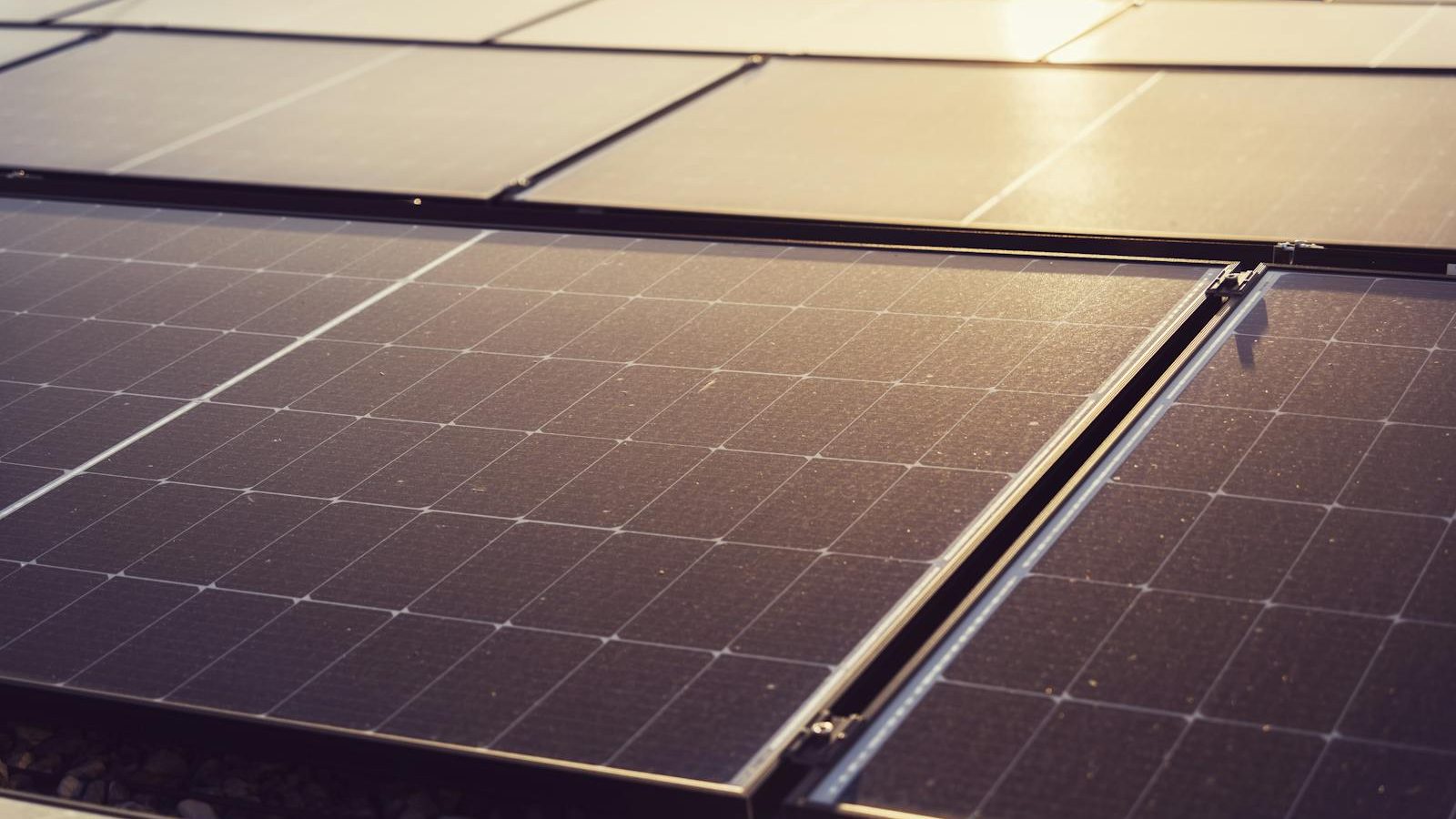
High-pressure solar pitches still work because they catch people off guard at the kitchen table. This checklist walks through the four phases of a sales visit, before, during, the numbers, and after, so you can quietly tick off red flags as you notice them. No confrontation needed, just a clearer picture of who deserves a second meeting.
Solar is a great purchase made by mostly good companies, but the sales side of the industry still rewards pressure tactics. Door knockers, kitchen-table closers, and limited-time discounts have not gone away. They have just gotten more polished. The pitches work because they hit you in your own house, often after a long workday, when saying “let me think about it” feels rude. A checklist helps because it gives you a quiet, private way to grade what you are hearing without arguing in real time.
The four phases below follow a typical sales visit from the moment someone shows up at your door to the moment you sit down with their proposal later that week. Each phase has its own pattern of red flags. None of them mean an installer is definitely dishonest. A single flag is a yellow light. Three or more from different phases is a clear sign to slow down, gather other quotes, and verify everything you have been told.
Phase 1: Before they show up
Most bad pitches start before anyone rings your doorbell. The way a company finds you and books the appointment tells you a lot about how they operate. Reputable installers in 2025 and 2026 still do some cold outreach, but they tend to lead with information rather than urgency. The warning signs in this phase are the easiest to spot because you have not invested any time yet.
- Door-to-door with a vague company name. If the rep cannot tell you the exact installer name, only the brand they “represent,” they are likely a third-party lead generator paid per signed contract.
- No physical office address. Search the company name plus your state. A legitimate installer will have a street address, a state contractor license number, and a few years of online presence.
- Pressure to book the appointment immediately. “I can have someone there in 20 minutes” is a sales pacing trick, not a customer service feature.
- Missing or mismatched license info. Most US states require an electrical or solar-specific contractor license. Ask for the number and verify it on your state’s licensing board website before the visit.
- Heavy reliance on a utility logo or “government program” language. Utilities and government agencies do not sell rooftop solar. If the pitch implies otherwise, it is misleading on purpose.
One soft check helps a lot here. Before the appointment, search the company name plus the word “complaints” or “BBB.” You are not looking for zero negative reviews. Every installer that has been around long enough has a few. You are looking for patterns. Repeated complaints about production shortfalls, lien filings, or unreturned calls are the ones that matter.
Phase 2: During the pitch
This is where the classic kitchen-table tactics show up. A good rep will spend most of the first meeting asking about your house, your bills, and your goals. A bad rep will spend most of it talking, with a laptop turned toward you and a closing form already partly filled in. The difference is usually obvious within the first 15 minutes if you know what to listen for.
Urgency is the single most reliable signal. Real solar economics do not change based on whether you sign tonight or in three weeks. Equipment costs move on quarterly cycles, not daily ones. Federal tax credits have deadlines measured in years. State incentives sometimes have shorter windows, but those windows are public information you can verify yourself in 10 minutes. Any “sign tonight” framing is a sales construct, not a financial reality.
- “This price is only good tonight.” Ask for the discount in writing with a 30-day expiration. Watch what happens.
- Vague spec talk. “Premium panels” and “the latest inverter technology” are not specifications. Ask for the manufacturer, model number, and wattage. A real rep will know these or look them up in front of you.
- Refusal to leave a written proposal. If they will only show numbers on their laptop, that is a sign the numbers are designed to disappear when you compare.
- “You qualify for a special program.” Solar is not means-tested in most jurisdictions. Special pricing usually means a referral fee or a financing kickback baked in.
- Aggressive disqualification of competitors. A confident installer talks about what they do well. A weak one spends the visit warning you about everyone else.
- Constant phone calls to a “manager” to approve discounts. This is a scripted closing technique, not a real negotiation.
If the pitch starts heading this direction, the easiest exit is a simple sentence. “I never sign anything the same day I see it for the first time, but I appreciate the information.” Then say it again if they push back. A reputable rep will leave the proposal and follow up by email. The reaction to that sentence is itself diagnostic.
Phase 3: The numbers section
The numbers section is where polished pitches do the most damage, because the math feels precise even when it is not. A typical bad-pitch slide deck includes a big “25-year savings” number, a payment lower than your current electric bill, and a chart showing utility rates rising forever. All three can be technically true and still wildly misleading depending on the assumptions underneath.
Estimated savings without showing the math is the biggest tell. A real proposal walks through annual production in kWh, the assumed utility rate, the assumed rate escalator, and the assumed system degradation. Pitches that lead with a final dollar figure and skip those four inputs are usually hiding an aggressive utility rate forecast, often 4 to 6 percent annual increases compounded over 25 years. Real US utility rates have averaged closer to 2 to 3 percent over the last two decades, so a 4 percent assumption roughly doubles the projected savings.
Financing is the other place numbers get fuzzy. A “0 percent APR” solar loan almost always carries a dealer fee, typically 15 to 30 percent of the system cost, baked into the price. That means the same hardware quoted at 30,000 USD on a 0 percent loan might be 23,000 to 25,000 USD in cash. The monthly payment looks small, but the total cost is meaningfully higher. For a full walk-through of how to line up the financing side of multiple proposals, see mistakes people make comparing renewable energy quotes.
- Vague company name with no verifiable license number
- Hard urgency, especially a 'sign tonight' discount
- Savings projections with no utility rate or escalator shown
- 0 percent financing offered without a cash price comparison
- Refusal to leave a written proposal you can read later
One more numbers trap to watch for. Some pitches use a “bill replacement” framing, where the monthly loan payment is compared only to your current electric bill, not to the cash price plus interest. That comparison ignores the fact that you will still pay a small connection fee to the utility after going solar, typically 8 to 25 USD per month. It is a minor detail, but it shows up in almost every aggressive pitch and is worth catching.
Phase 4: After they leave
The most useful work you can do happens after the rep is gone and the kitchen is quiet again. Whatever you heard during the pitch, treat it as a claim that needs to be verified. Honest reps welcome verification. Their numbers will check out, their references will pick up the phone, and their license will be active. The whole point of this phase is to take pressure out of the decision and give yourself room to compare.
- Verify the contractor license online. Your state’s licensing board has a search tool. Confirm the license is active, in the right classification, and matches the company name on the proposal.
- Look up the company on the NABCEP installer directory. NABCEP certification is voluntary but signals a baseline of training. Not having it is not disqualifying, but combined with other flags it adds weight.
- Search for lawsuit and lien records. County court records are usually free to search online. Repeat lien filings against past customers are a serious flag.
- Call two references that you choose, not the rep chose. Ask the rep for a list of recent installations in your zip code, then pick two at random. Ask the homeowners how the actual production compares to what was promised.
- Re-verify any incentive numbers. The DSIRE database and your utility’s website list current rebates and net metering rules. Cross-check the proposal against these directly.
- Read the warranty pages with fresh eyes. Pay attention to who honors the warranty if the installer goes out of business. For a deeper look at warranty language, see troubleshooting the numbers on a solar warranty.
Used together, these four phases give you a calm framework instead of a confrontation. You do not have to argue with the rep, accuse anyone of anything, or even let on that you are running a checklist. You just need to know which phase you are in and which flags belong to it. The next morning, when the urgency has worn off, the picture will be clearer than it ever could be at the kitchen table.
Frequently asked questions
Is every door-to-door solar rep a bad sign?
No, but door-to-door sales does correlate with higher-pressure tactics across the industry. Some legitimate local installers still canvass neighborhoods after a recent install. The test is not the channel, it is the behavior. A rep who hands you a brochure, books a follow-up, and leaves is fine. A rep who wants to sit down right now and have a proposal ready in 90 minutes is using a different playbook worth being skeptical of.
What if the limited-time discount really is limited?
Ask for the offer in writing with a 30-day expiration date and the rep’s name on it. Real manufacturer rebates and state incentives have public, verifiable expiration dates you can confirm on the manufacturer or state website. Sales-driven discounts usually evaporate the moment you ask for them in writing. If the offer is genuine, putting it on paper costs the company nothing and gives you the same price next week.
How do I check a contractor license without spending hours?
Search for your state name plus “contractor license lookup.” Most states have a free tool where you enter the company name or license number and see active status, classification, complaints, and bond status. The check usually takes about five minutes. If your state requires a specific solar or electrical classification and the company holds a general license only, that mismatch alone is enough reason to keep shopping.
Should I let the rep run their full pitch even if I see red flags?
You can, but you do not have to. Sitting through a 90-minute kitchen-table pitch wears down your judgment, which is part of why the format exists. A polite “I have enough information to think about it, can you leave the proposal” at the 20-minute mark is reasonable. If the rep refuses to leave a written proposal at that point, you have learned the most important thing you needed to know.
What is the single biggest red flag if I can only remember one?
Refusal to provide a written, itemized proposal that you can take, read, and compare. Every other red flag has gray-area explanations. This one does not. Itemized proposals are the standard deliverable across the industry, including system size in kW, equipment make and model, production estimate in kWh, total price, and any financing terms. A company that will not produce one in writing is hiding something.
How many quotes should I gather after a suspicious pitch?
At least two more, ideally from a mix of one national brand and one local installer. The first suspicious pitch tells you nothing about the going rate in your area, only about that one company. Two more quotes usually reveal a 20 to 40 percent spread in price and noticeable differences in equipment and warranty terms. Without that comparison, you cannot tell if the original pitch was aggressive on price, on tactics, or both.
Read next in Mistakes & Myths
If this guide was useful, these two neighbouring pieces will fill in the surrounding context:
Sources and further reading
For the underlying data behind the numbers in this guide, and for the standards, incentive programs, and safety rules referenced throughout, see:
Related guides
Common Heat Pump Myths That Cost Homeowners Real Money
A friend called me last February in a small panic. Her HVAC contractor had just told her a heat pump "quits working" below 30°F and she should cancel the install she had…
Scenario: Falling for an Influencer Energy Pitch
Marcus is 32, lives in a rented duplex outside Phoenix, and pays roughly 180 dollars a month for electricity in summer. He saw a 90 second video of a smiling creator standing…

Wind Power Marketing Claims Versus Reality
Residential wind marketing leans on a small set of phrases that have been repeated long enough to feel like facts. Most of them started somewhere real, then drifted into shorthand that no…