Wind Power Marketing Claims Versus Reality
Residential wind marketing leans on a small set of phrases that have been repeated long enough to feel like facts. Most of them started somewhere real, then drifted into shorthand that no…


Residential wind marketing leans on a small set of phrases that have been repeated long enough to feel like facts. Most of them started somewhere real, then drifted into shorthand that no longer matches the hardware or the site. Let us walk through six of the most common claims, what the brochure is doing with each one, and the one or two questions that will pull the real number into the open before any money changes hands.
Wind hardware is harder to fact check than solar hardware. Panels sit on a roof, produce a measurable amount of energy in a predictable curve, and have decades of independent data behind them. A small turbine sits on a tower, in a specific column of air, on a specific lot, and its real output depends on so many local variables that vendors can quote almost any number they want with a straight face. That gap is where most of the misleading marketing lives, and it is what makes residential wind one of the easier categories to oversell.
The six claims below are the ones that come up most often in vendor brochures, social ads, and kitchen-table presentations. None are outright lies. Each one contains a sliver of truth that is technically defensible if you squint, and each one drops the second half of the sentence right where your money lives. The pattern repeats so reliably that once you see it, you can spot a thin pitch in about three minutes.
Claim #1: A 5 kW rated turbine produces 5 kW
This is the foundational sleight of hand in small wind marketing. The number on the spec sheet sounds like a steady output, the same way a 5 kilowatt solar array makes sense to most buyers. For a turbine, that number is the peak instantaneous output at a specific wind speed, usually somewhere between 24 and 31 miles per hour, which your site will see for only a few hours a year if at all.
Real production is governed by capacity factor, which is the percentage of rated output the turbine actually averages across a year. For residential wind, that number is usually low:
- Excellent rural site with a tall tower: 20 to 30 percent capacity factor
- Average rural site: 10 to 18 percent capacity factor
- Suburban lot with trees and obstructions: 3 to 8 percent capacity factor
- Rooftop or short pole installation: often below 3 percent
Translated into kilowatt-hours, a 5 kilowatt nameplate turbine at a strong site might produce 8,000 to 13,000 kilowatt-hours per year. The same turbine at a marginal suburban site might produce 1,500 to 3,500 kilowatt-hours, which is less than a small solar array a quarter of the cost. Ask the seller for measured annual kilowatt-hours from three real installations in a wind class similar to yours, not rated power, not theoretical output. If they cannot produce that, the conversation has stopped being technical.
Claim #2: Works in any wind speed
Brochures love phrases like “starts generating in light breezes” and “operates across a wide wind range.” The spec sheet usually backs this up with a cut-in speed of 6 or 7 miles per hour, which sounds friendly. The trick is that producing some power at low wind speeds is not the same as producing useful power.
Turbine output scales with the cube of wind speed. A turbine in 7 mile per hour wind produces roughly one eighth of what it produces in 14 mile per hour wind, and maybe one twenty seventh of what it produces at rated speed. So the cut-in number on the brochure represents a few watts trickling out, not meaningful generation. The honest range to ask about is:
- Cut-in speed: the wind speed at which the turbine starts spinning, often 6 to 8 miles per hour
- Useful generation speed: usually 10 to 14 miles per hour and up, where output becomes a real fraction of rated
- Rated speed: 24 to 31 miles per hour, where the nameplate number is reached
- Cut-out speed: usually 55 miles per hour, where the turbine shuts down or feathers to protect itself
Ask the seller what percentage of hours per year your specific site sits above the useful generation speed at the tower height being quoted. A wind resource map for your region will give them no excuse to wave the question away. If they pivot to talking about cut-in speed instead, you have your answer.
Claim #3: Vertical-axis turbines work on a rooftop
This claim survives because vertical-axis turbines look modern and the photos place them on tidy suburban rooftops with sunset behind them. The hardware is real, the photos are real, and a small amount of energy does come out of these installations. What gets left out is the airflow conditions on a residential roof, which are genuinely terrible for any turbine.
A roof generates a layer of turbulent, slowed, swirling air across its surface, typically extending 20 to 40 feet above the ridgeline before clean wind resumes. A turbine sitting in that layer spends most of its life in messy, low-speed air, and the production numbers reflect it. Owner-reported annual output for rooftop vertical-axis units commonly lands in the 200 to 800 kilowatt-hour range, which is roughly the output of a single solar panel. The unit also transmits vibration into the structure, which is its own slow problem.
If a vendor leads with a rooftop turbine, ask for the measured annual production from three rooftop installations on homes with comparable height and surroundings. The honest answer is almost always disappointing, which is why our honest vertical-axis turbine review walks through what real owners reported across a year rather than what the brochures suggested. The format of the turbine is fine. The mounting location is what kills it.
Claim #4: Silent operation
“Whisper quiet” is the most overused phrase in small wind marketing, and it is technically defensible for a new turbine in moderate wind, measured at a polite distance. Real owners and neighbors describe a more layered sound profile, and that gap is what triggers most of the municipal complaints and most of the regret a few years in.
Honest noise ranges for a small residential turbine, measured at the base of the tower:
- Moderate wind, new turbine: 40 to 55 decibels, similar to a refrigerator or light rain
- Strong wind, new turbine: 55 to 70 decibels, closer to a running dishwasher or vacuum
- Worn bearings or failing brake, any wind: louder and more mechanical, often 65 decibels and up
- Low-frequency thrum at night: travels much further than daytime measurements suggest
The character of the sound matters as much as the volume. A rhythmic whoosh or low thrum is more noticeable and harder to ignore than a steady hum at the same decibel reading. Ask the seller for the noise specification at the rated wind speed, not the average, and ask for the noise specification at year 10 with normal wear. The second number almost never exists in the brochure, which tells you something.
Claim #5: 30 year lifespan
This number gets quoted with the same confidence as the 25 year warranty on solar panels, and the comparison is part of the problem. Solar panels are solid state. A turbine has bearings, brakes, blades, a generator, an inverter, and a tower, all of which live outdoors in weather and move under load. The 30 year figure usually refers to the structural life of the tower and the design life of the rotor, not the operational life of the whole system without major work.
A more honest breakdown of small turbine component life:
- Tower and foundation: 25 to 40 years with periodic inspection
- Blades: 15 to 25 years, sometimes less in dusty or salt-laden air
- Main bearings: 10 to 15 years before replacement
- Inverter or controller: 8 to 12 years, similar to a solar inverter
- Brake and yaw mechanism: variable, often requires service by year 7 to 10
Plan for a meaningful overhaul somewhere between year 10 and year 15, with parts and labor that can run 15 to 30 percent of the original install cost. Ask the seller for a written maintenance schedule with expected parts costs at those intervals. If the answer is some version of “these are very low maintenance,” ask them to put that in writing with specific dollar figures. They will not.
Claim #6: No permits needed
This one shows up in pitches for smaller turbines, especially rooftop or short pole units, with the implication that you can sidestep local building and zoning hassles entirely. The kernel of truth is that some very small wind devices fall below certain permit thresholds in some jurisdictions. The marketing extension is that no permits are needed anywhere, which is almost never the case.
Most residential wind installations trigger some combination of:
- A zoning review for tower height, which is often capped at 35 feet without a variance
- A building permit for the foundation and structural attachment
- An electrical permit and inspection for the interconnection and disconnect
- A utility interconnection agreement if the turbine ties to the grid
- A homeowners association review where applicable, which is its own slow process
- Setback requirements from property lines, often expressed as 1 to 1.5 times the tower height
If a vendor tells you no permits are needed, ask which jurisdiction they are referring to and request the specific code citation. Then call your local building department yourself with the turbine model and proposed tower height in hand. The five minute phone call has saved more than one homeowner from a torn-down installation and a fine. For a fuller walkthrough of the questions to raise before signing anything, our piece on marketing claims that look honest but are not covers the broader category beyond wind.
The shared pattern across all six claims
If you stand back, the same trick repeats in every one of these pitches. A real specification is quoted at its most favorable interpretation, the conditions that make it true are dropped, and the sentence gets simplified into a friendly headline. The fix is also the same across the board. Ask for measured output from real installations, ask for written assumptions, and ask what the number looks like at your specific site rather than at the test bench.
None of this rules out residential wind. A turbine on rural acreage with strong steady wind and a proper tall tower can be a genuine asset, especially as part of a hybrid setup with solar and storage. The trouble starts when the same hardware gets sold into suburban lots, short towers, or rooftops where the physics never supported the brochure in the first place. If you read more deeply into the topic, our piece on five myths about residential wind power covers the broader category of misconceptions that feed these claims.
You do not need to become a wind engineer to filter a sales pitch. You need three numbers in writing, a phone call to your building department, and the patience to wait for the answers. If the seller is honest, those numbers will come back fast and the math will speak for itself. If the seller pivots, repeats the brochure, or talks about how exciting the future of small wind is, you have everything you need to thank them for their time.
Frequently asked questions
Why is the rated kilowatt number on a turbine so misleading?
Because it is the peak instantaneous output at a wind speed your site will see for only a few hours a year, not the average. A solar panel rated at 400 watts produces close to that under sun. A turbine rated at 5 kilowatts produces that only in 24 to 31 mile per hour wind, which is rare almost everywhere. The honest number to ask for is annual measured kilowatt-hours from real installations at sites similar to yours.
What capacity factor should I expect from a residential turbine?
For a properly sited unit on a tall tower in rural terrain with strong wind, 20 to 30 percent is realistic. For an average rural site, 10 to 18 percent is more common. For suburban lots with trees and houses nearby, 3 to 8 percent is typical, and for rooftop installations the number often falls below 3 percent. Multiply capacity factor by the rated power and 8,760 hours to get a rough annual production estimate in kilowatt-hours.
Are rooftop wind turbines ever a reasonable choice?
Almost never for residential roofs. The airflow across a residential roof is turbulent and slowed for 20 to 40 feet above the ridgeline, which is exactly the zone where rooftop turbines sit. Reported annual production from real owners commonly lands in the 200 to 800 kilowatt-hour range, similar to a single solar panel. Vibration transmitted into the structure is its own slow concern. If a vendor opens with a rooftop unit, treat it as a screening signal and move on.
How loud will a small turbine actually be at my property line?
Plan on 40 to 55 decibels in moderate wind and 55 to 70 in strong wind, measured at the base. Sound carries further at night when ambient noise drops, and the rhythmic character of turbine noise is harder to ignore than the same decibel level from a steady source. Bearing wear can add a mechanical edge by year 5 to 10. Walk the property line in 25 mile per hour wind before you commit, and imagine it at 2 a.m.
How long does a residential turbine really last before major work?
The tower can run 25 to 40 years, but working parts have shorter lives. Main bearings typically need replacement at year 10 to 15, inverters at year 8 to 12, and brake or yaw mechanisms may need service by year 7 to 10. Budget 1 to 2 percent of installed cost per year for routine maintenance, plus a larger overhaul in the second decade running 15 to 30 percent of the install price.
What permits will I actually need for a residential turbine?
Almost always more than the vendor suggests. Expect zoning review for tower height, a building permit for the foundation, an electrical permit for the interconnection, a utility interconnection agreement if grid tied, and possibly a homeowners association review. Setbacks from property lines are commonly 1 to 1.5 times tower height. Call your local building department with the turbine model and proposed tower height before signing anything. The phone call costs nothing and prevents expensive surprises.
Read next in Mistakes & Myths
If this guide was useful, these two neighbouring pieces will fill in the surrounding context:
Sources and further reading
For the underlying data behind the numbers in this guide, and for the standards, incentive programs, and safety rules referenced throughout, see:
Related guides
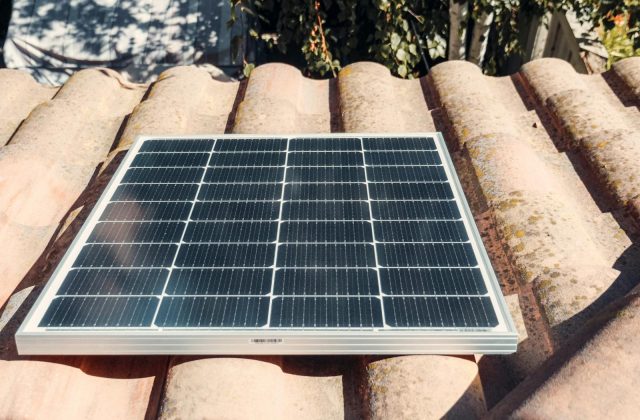
The Eight Most Common Renewable Energy Myths, Explained
Renewable energy gets talked about more than almost any other household topic, which means a lot of outdated ideas keep circulating long after the technology moved on. Some of these myths once…
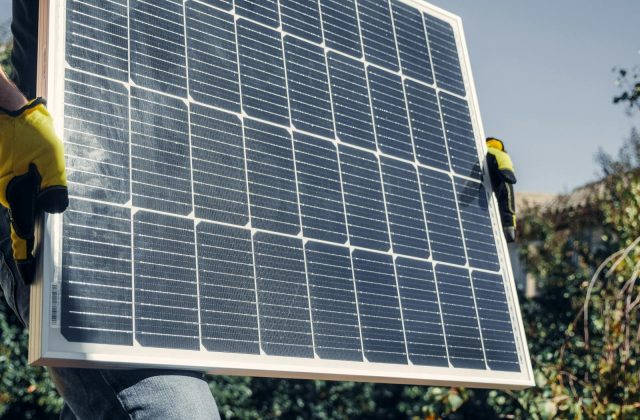
Eight Buying Mistakes First-Time Solar Shoppers Make
Most rooftop solar regret traces back to the same handful of small choices made early in the process. People sign too fast, trust the first friendly quote, or focus on the wrong…
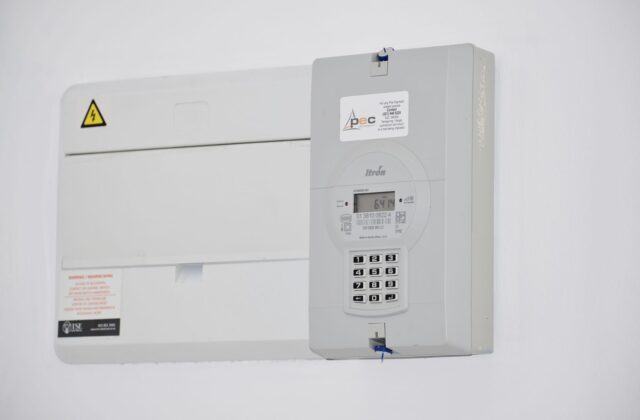
Net Metering Myths That Quietly Reshape Your Solar Payback
A reader in Sacramento forwarded me her first twelve solar bills last spring, convinced her installer had shorted her by roughly $1,400. Her 6.8 kW system was producing exactly what the design…