Five Myths New EV Owners Still Believe
Electric vehicles have been on the road long enough that we now have real data, not just brochures and forum guesses. A lot of the advice new owners hear was true in…

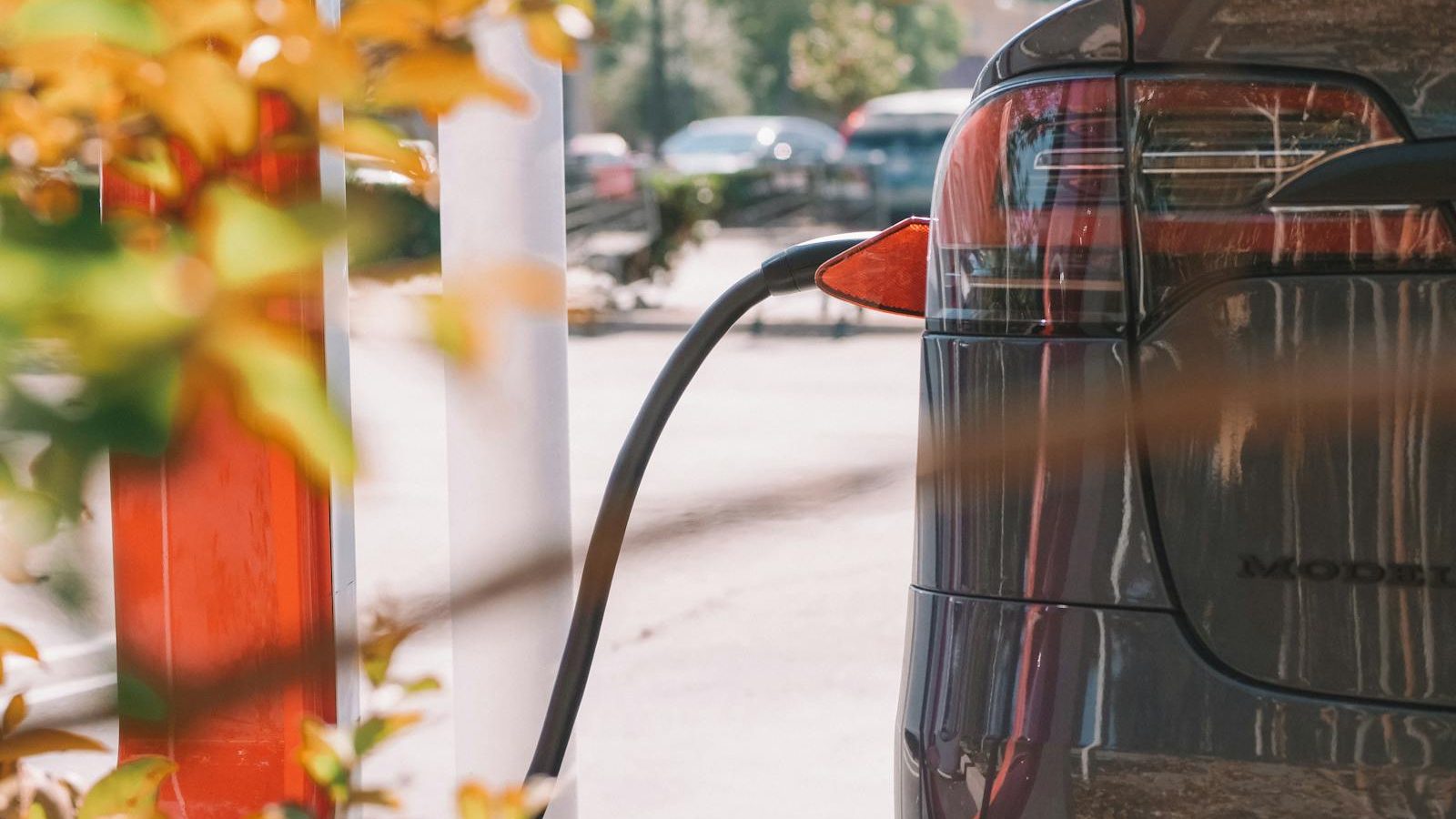
Electric vehicles have been on the road long enough that we now have real data, not just brochures and forum guesses. A lot of the advice new owners hear was true in 2014 and is not true anymore. This guide walks through five myths that quietly cost people money or confidence, and replaces each one with a calmer, more current picture you can actually use.
EV myths spread for understandable reasons. The technology moved quickly between roughly 2012 and 2024, battery chemistry kept improving, fast charging networks grew faster than most people expected, and a lot of advice floating around online is older than the cars currently being sold. Add in a few loud bad experiences, some confusing dealer guidance, and the fact that most of us only think about our car when something breaks, and you get a stew of half-truths that follow new owners around for years.
None of the myths below are silly. Each one started with a kernel of truth from an earlier generation of vehicles or batteries. The problem is that the kernel has been frozen in time while the hardware kept moving. Let us go through five of the most common misconceptions, look at where they came from, and replace them with something closer to current reality.
Myth #1: You must charge to 100 percent every night
This habit comes from phones and laptops, where most of us plug in at bedtime without thinking. Carry it over to a car and it sounds responsible. More charge equals more range equals more freedom, so why not top up?
Modern lithium-ion batteries actually prefer to live in the middle of their range. Most manufacturers now recommend a daily charging window of roughly 20 to 80 percent for nickel-based chemistries like NMC and NCA, with occasional full charges before long trips. The reason is chemical. Lithium cells held at very high state of charge for long periods experience more stress on the cathode, which accelerates calendar aging. Holding a battery near 100 percent in a hot garage all summer is one of the harder things you can do to it.
The exception is lithium iron phosphate, often labeled LFP. Many manufacturers now recommend charging LFP packs to 100 percent at least weekly, partly because the chemistry is more tolerant of high state of charge and partly because the battery management system uses a full charge to recalibrate its range estimate. If your car has an LFP pack, follow the manual rather than generic advice.
A reasonable everyday rhythm for most EVs looks like this:
- Set a daily charging limit of 70 to 80 percent for nickel-based packs, 100 percent for LFP
- Top to 100 percent the night before a long trip, then leave on time so you do not sit at full charge for days
- Avoid letting the battery sit below roughly 10 to 20 percent for long stretches, especially in heat
- Plug in when convenient rather than waiting for low charge, since shallow cycles are gentler than deep ones
If you want a deeper walkthrough of charging habits and pack longevity, our guide to extending an EV battery lifespan covers the small choices that add up over a decade of ownership.
Myth #2: DC fast charging ruins your battery
This one has a real kernel. Early EVs had smaller packs, less sophisticated thermal management, and chargers that pushed hard heat into cells with limited cooling. Frequent fast charging in those conditions did measurably accelerate degradation. The advice to avoid DC fast charging stuck around long after the hardware moved on.
Multiple long-term studies on modern EVs, including data from Recurrent Auto covering hundreds of thousands of vehicles, have found that drivers who fast charge frequently show only slightly more degradation than those who almost never do, typically within a few percentage points over many years. The difference is small enough that it often falls inside normal pack-to-pack variation.
What does seem to matter:
- Fast charging in extreme heat, especially when the battery is already hot from a long highway run, puts more stress on cells than fast charging in mild weather
- Repeatedly charging from very low to very high state of charge on a DC fast charger is harder on the pack than topping up in the middle range
- Older vehicles without active liquid cooling, including some early Nissan Leaf models, are more sensitive to fast charging heat than newer designs
For most drivers using fast charging on road trips and Level 2 at home for daily charging, the long term impact is modest. If you are weighing whether to install a home charger or rely on public fast charging, our comparison of Level 1 vs Level 2 vs DC fast charging walks through the tradeoffs at each tier.
Myth #3: EVs lose half their range in winter
Cold weather range loss is real, and the first time you see your dashboard estimate drop on a frigid morning it can be alarming. The myth is the magnitude. Half is a number that gets repeated because it is memorable, not because it is typical.
Real-world testing from groups like the Norwegian Automobile Federation, Recurrent, and Consumer Reports has consistently found winter range losses in the 10 to 30 percent range for most modern EVs in typical cold conditions, with worst case scenarios approaching 35 to 40 percent during very cold weather combined with high cabin heating use. Half is an outlier, not a baseline.
The loss comes from three places. Battery chemistry is slower at low temperatures, so the pack delivers less usable energy. Cabin heating draws meaningful power, often 1 to 5 kilowatts depending on the vehicle and how cold it is outside. And aerodynamic drag rises slightly in denser cold air. Vehicles with heat pumps generally fare better than those with resistive heaters, sometimes by 5 to 10 percentage points in cold-weather efficiency.
Myth #4: EVs are not really cleaner once you count manufacturing
This claim has been around since the first mass-market EVs and refuses to die. The argument goes that building a battery is so emissions-intensive that an EV starts life with a large carbon debt, and that debt either never gets paid off or barely does.
The actual research is fairly settled at this point. Lifecycle studies from the International Council on Clean Transportation, the MIT Energy Initiative, and several European agencies have all reached roughly the same conclusion. EVs do start with a higher manufacturing footprint than comparable gas cars, mostly because of the battery. They typically pay off that extra footprint within 1 to 3 years of driving, depending on how clean the local electricity grid is, and continue to emit less over the rest of their lives.
A few specifics worth carrying around:
- On the average United States grid, a midsize EV produces roughly 50 to 65 percent less lifecycle greenhouse gas emissions than a comparable gas car over a typical 12 to 15 year vehicle life
- On cleaner grids, like the Pacific Northwest or much of Europe, the lifecycle advantage often exceeds 70 percent
- Even on the dirtiest United States grids, modern EVs still come out ahead of comparable gas vehicles, just by a smaller margin
- As grids continue to decarbonize, EVs benefit retroactively while gas cars do not
The manufacturing gap also keeps shrinking. Battery production has gotten more efficient, recycled cell materials are entering supply chains, and the energy used in factories is gradually getting cleaner. If you want a broader primer on what to expect from your first EV before any of this matters, our overview of electric vehicles for first-time buyers is a good companion read.
Myth #5: EV batteries die at 100,000 miles
This number comes from gut intuition more than data. A hundred thousand miles feels like a meaningful threshold for any car, and combustion engines often need real attention around then, so people assume EV batteries follow the same curve.
Long-term tracking from Recurrent, Geotab, and Tesla’s own fleet data tells a different story. Most modern EV packs retain roughly 85 to 92 percent of their original capacity at 100,000 miles, and many continue past 200,000 miles with usable range. Manufacturers typically warranty their packs for 8 years and 100,000 miles to retain at least 70 percent capacity, and most packs comfortably exceed that target.
Real degradation usually looks like this:
- A noticeable early drop in the first 1 to 2 years of perhaps 3 to 5 percent as the pack settles
- A slower steady decline of roughly 1 to 2 percent per year afterward under typical use
- Faster degradation in vehicles with heavy fast charging in hot climates and minimal degradation in vehicles charged gently in mild climates
What this means in practice is that a 250-mile EV at delivery is usually still a 215 to 230 mile car at 100,000 miles, not a dead paperweight. Replacement packs do exist if needed, and prices have been falling steadily, though they are still a significant repair cost. For most owners, the more realistic concern is gradually planning for slightly more frequent charging stops on long trips a decade in, not facing a sudden cliff.
What ties these myths together is the same underlying pattern. EV ownership in 2024 and 2025 is not the EV ownership someone described to you in 2014. The packs are more durable, the charging networks are more reliable, the lifecycle math is clearer, and the daily habits are gentler than the old advice suggested. The worst outcome is not buying a car that disappoints you. It is spending another five years driving past charging stations because of something you half-remember reading on a forum.
Nothing here requires a same-day decision. But the next time one of these myths shows up in conversation, you have something calmer to set against it.
Read next: Troubleshooting an EV That Charges Slower Than Expected.
Frequently asked questions
Should I really not charge my EV to 100 percent every night?
On most EVs that use nickel-manganese-cobalt cells, keeping the daily top-up in the 70 to 80 percent window is easier on the pack and typically preferred by the manufacturer. Charge to 100 percent before long trips and leave on time so you do not sit at full charge for days. Lithium iron phosphate packs are an exception and generally benefit from a full charge at least weekly. Always follow your owner manual, since the right limit depends on chemistry and software.
Does using DC fast chargers really damage my battery?
On modern EVs with active thermal management, the long term impact of regular fast charging is small. Studies tracking hundreds of thousands of vehicles have found only a few percentage points of additional degradation over many years between heavy and light fast charging users. The worst conditions are fast charging in extreme heat after a hot drive. For a mix of everyday driving on Level 2 at home plus occasional road trips, DC fast charging is fine to use without worry.
How much range does an EV actually lose in winter?
Most modern EVs lose roughly 10 to 30 percent of their range in typical cold weather, not half. Worst case scenarios with very cold temperatures and heavy cabin heating can approach 35 to 40 percent. Vehicles with heat pumps fare better than those with resistive heaters. Preconditioning the cabin while plugged in, using seat heaters instead of cabin heat, and parking in a garage all soften the loss without changing the underlying physics.
Are EVs really cleaner than gas cars once you count battery manufacturing?
Yes, in nearly every case. Lifecycle studies consistently find that EVs pay off their higher manufacturing footprint within 1 to 3 years of driving, then emit less for the rest of their lives. On the average United States grid, a midsize EV produces roughly 50 to 65 percent less lifecycle greenhouse gas emissions than a comparable gas car. On cleaner grids the advantage is larger, and EVs benefit as grids decarbonize while gas cars do not.
Do EV batteries really die at 100,000 miles?
No. Long-term tracking from fleet data shows most modern EV packs retain roughly 85 to 92 percent of original capacity at 100,000 miles, and many continue past 200,000 miles with usable range. Manufacturers warranty packs for 8 years and 100,000 miles to at least 70 percent capacity, and most exceed that target. Expect a small early drop, then a gentle 1 to 2 percent annual decline under typical use, not a sudden failure.
Will I be stranded if I cannot find a charger on a road trip?
It is increasingly unlikely if you do a little planning. Major United States interstate corridors now have DC fast charging spaced roughly every 50 miles, and most EVs include route planners that schedule stops automatically. Apps like PlugShare and A Better Routeplanner show real-time station status. The bigger risk is arriving at a station with broken plugs, so plan for a backup option within range and you will rarely run into trouble.
Read next in EV & Battery Basics
If this guide was useful, these two neighbouring pieces will fill in the surrounding context:
Sources and further reading
For the underlying data behind the numbers in this guide, and for the standards, incentive programs, and safety rules referenced throughout, see:
Related guides

The EV Tax Credit Explained in Plain English (2026 Rules)
A friend texted me a screenshot of a Chevy Equinox EV window sticker last month with one question: "Do I actually get the $7,500 off this, or is that just a headline?"…
Choosing a Home Battery for Power Outages
A reader in upstate New York emailed me last winter after losing power for three days during an ice storm. She had been looking at home batteries online for weeks and was…

Cold-Weather EV Range: What to Actually Plan For
Last February I pulled out of my driveway at 6:47 a.m. with the dashboard reading 24°F and my little electric hatchback showing 138 miles of range on a full battery. By the…