Electric Vehicles Explained for First-Time Buyers
A friend asked me last fall if she should "finally get one of those electric cars," and then admitted she was not totally sure what made a car electric in the first…

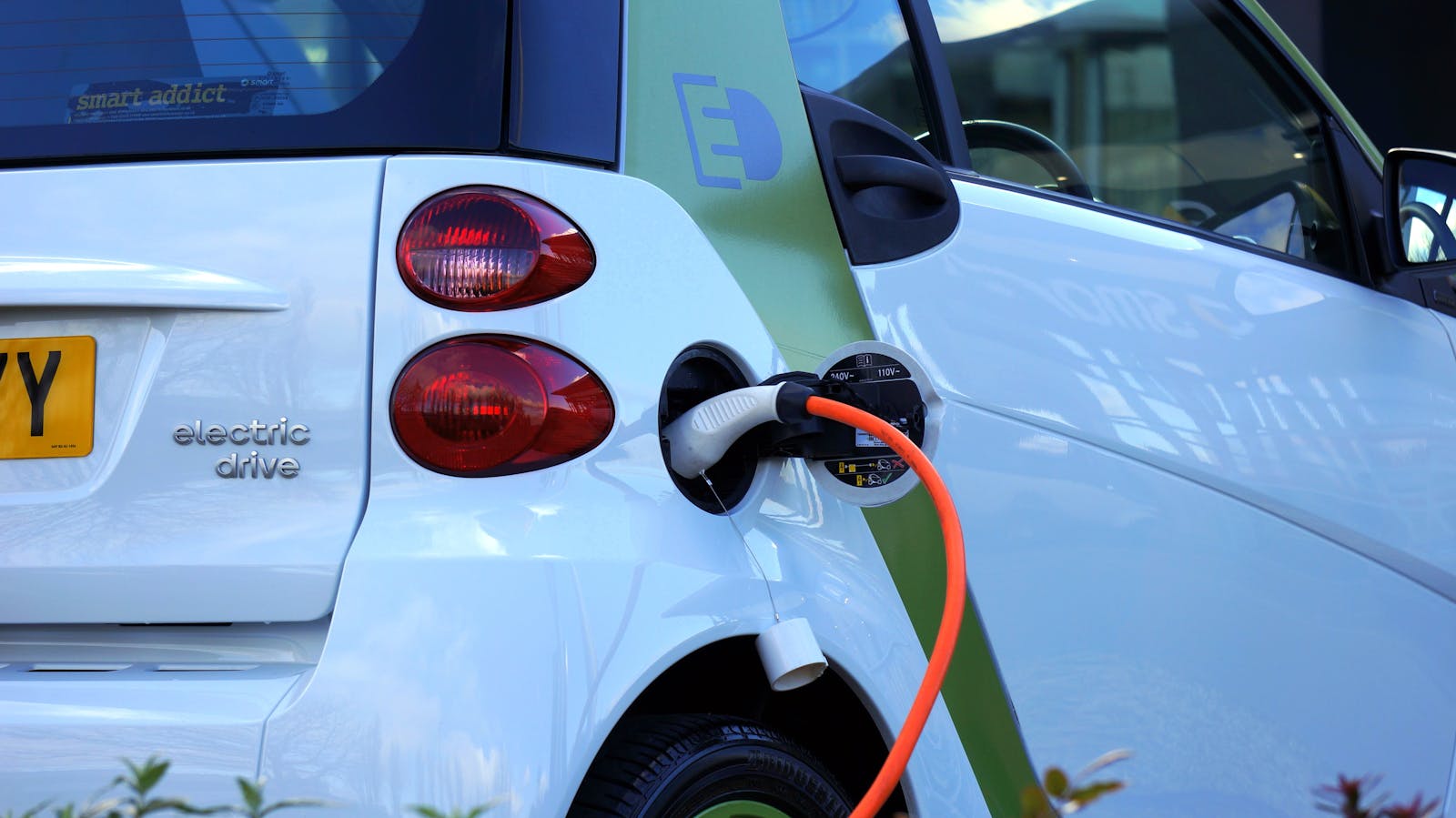
A friend asked me last fall if she should “finally get one of those electric cars,” and then admitted she was not totally sure what made a car electric in the first place. That is a fair starting point, and a really common one. This guide walks through the basics slowly, so you can sit down at a dealership or scroll a listing and actually know what you are looking at.
Electric cars have stopped being a novelty. They are sitting in school parking lots, towing small trailers, and showing up in used listings at prices that would have looked wild five years ago. If you are thinking about your first one, you are not late. You are arriving at a pretty reasonable moment, with more choice and more honest information than buyers had even a couple of years back.
The hard part is that the vocabulary moves fast. There are three different kinds of “electric” cars on the road, several kinds of charging, and a whole new way of thinking about fuel cost and maintenance. None of it is complicated once you slow down. Let us go through it the way I would explain it to someone over a kitchen table.
The three flavors: BEV, PHEV, and HEV in plain words
Most “electric” cars on a dealer lot fall into one of three categories, and the difference between them is genuinely important. Mixing them up is the most common rookie mistake.
- BEV (battery electric vehicle): a fully electric car. No gas tank, no engine, no oil. You plug it in. That is the only way to refuel it. The battery powers an electric motor that turns the wheels. When people say “electric car” without qualifiers, this is usually what they mean.
- PHEV (plug-in hybrid electric vehicle): a hybrid that you can also plug in. It has a small battery, an electric motor, and a regular gas engine. You can drive somewhere between 20 and 50 miles on electricity alone, then the gas engine takes over for longer trips. You can fill it up at a pump, plug it in at home, or do both.
- HEV (hybrid electric vehicle): a traditional hybrid. You cannot plug it in. The car uses regenerative braking and the gas engine itself to keep a small battery charged, and that battery helps the engine sip less fuel. You still buy gas like a normal car, just less of it.
An HEV is really a more efficient gas car. A PHEV is a sort of bridge product, useful if you want short electric trips but are not ready to commit. A BEV is the real switch, the one that changes how you think about owning a vehicle. For the rest of this guide, when I say “EV,” I mean a BEV unless I say otherwise.
What “range” really means once you drive one
Range is the number on the window sticker that tells you, in theory, how far the car will go on a full battery. As of 2025, most new BEVs sit in a range of roughly 230 to 330 miles per charge, with some long-range trims pushing past 400 and some smaller city-focused models closer to 150. Used EVs from five or six years ago tend to land in the 100 to 220 mile range, depending on model and battery health.
The real-world number is usually a bit lower than the sticker, and how much lower depends on three things:
- Speed. EVs are most efficient at moderate speeds. A long highway run at 75 mph might pull 15 to 25 percent more energy than the same distance at 55 mph.
- Weather. Cold reduces range noticeably. In a hard freeze, expect 20 to 40 percent less range until the cabin and battery warm up. Heat hurts too, but less dramatically.
- How you drive. Aggressive acceleration and constant hard braking burn through electrons. Smooth, anticipatory driving stretches range further than most people expect.
The mindset shift is this: range stops being a number you check before a trip and becomes a number that lives in the background. You leave the house in the morning at 80 or 90 percent and almost never think about it. The exception is road trips, where planning charging stops becomes part of the route.
How charging actually fits into a normal week
This is where most first-time buyers get stuck, because charging works nothing like a gas station. The mental model that helped me click was this: an EV is more like a phone than a car. You do not run it to empty and then refill in five minutes. You top it up overnight while you sleep, and you wake up to a full battery almost every morning.
There are three speeds of charging you will hear about, and they each serve a different role. I cover the practical differences in more depth in level 1 vs level 2 vs DC fast charging compared, but the short version:
- Level 1: a regular household outlet. Adds roughly 3 to 5 miles of range per hour. Fine for a PHEV or a low-mileage commuter. Slow for a BEV with daily driving.
- Level 2: a 240-volt outlet, like what an electric dryer uses. Adds roughly 20 to 40 miles of range per hour. This is what most BEV owners end up installing at home.
- DC fast charging: public stations along highways. Can add 100 to 200 miles in about 20 to 40 minutes, depending on the car and the station. You use these on road trips, not daily.
If you own a home and can park near an electrical panel, getting a Level 2 setup installed is usually the first real expense after buying the car itself. I walk through the home install in how home EV charging actually works, including what an electrician will look at and roughly what you will pay in 2025.
If you live in an apartment or rent, the calculus is different. Some buildings now offer chargers in the lot, some workplaces offer free charging, and Level 1 from a regular outlet can be enough if your daily driving is short. It is worth mapping out where you would actually plug in before you buy.
The maintenance shift, and why it feels strange at first
A BEV has roughly twenty moving parts in its drivetrain, compared to a couple of thousand in a gas car. Most of the things you used to schedule are simply gone:
- No oil changes.
- No spark plugs, timing belts, fuel filters, or exhaust system.
- No transmission service, because there is essentially no transmission to service.
- Brake pads last much longer because of regenerative braking.
That last point is worth a beat. Regenerative braking, or “regen,” means the motor runs in reverse when you lift off the accelerator, slowing the car and pushing energy back into the battery. In a lot of EVs, you can drive most of the day without ever pressing the brake pedal hard. Pads and rotors often last two to three times longer than on a comparable gas car, sometimes more.
What you still pay for: tires (EVs are heavy, so tires wear a little faster), cabin air filter, wiper blades, brake fluid every few years, coolant for the battery system on some models, and the occasional 12-volt accessory battery. The big unknown is the high-voltage main battery, and the data so far is genuinely reassuring. Most modern EV batteries are warrantied for 8 years or 100,000 miles, and real-world degradation is averaging closer to 1 to 2 percent per year for well-cared-for packs.
Cost of ownership, honestly
EVs almost always cost more upfront than a comparable gas car, and almost always cost less to operate. The real question is whether the math works on the timeline you actually own the car.
A rough 2025 sketch for a typical commuter driving 12,000 miles a year:
- Fuel: charging at home off-peak runs roughly $0.10 to $0.18 per kWh in most U.S. markets. That works out to somewhere between $400 and $700 a year in electricity, compared to $1,400 to $2,200 for gasoline at the same mileage.
- Maintenance: service costs over the first five years typically run 30 to 50 percent lower than an equivalent gas car.
- Insurance: often slightly higher, mostly because parts and battery repair costs are higher. Plan for 5 to 15 percent more.
- Depreciation: still the wild card. Some models hold value well, others have dropped fast. Check used prices for the specific model you are considering before you commit.
If you buy a new EV and trade it in three years later, depreciation often eats most of your fuel savings. If you keep a new EV for seven or more years, the savings start to genuinely show up. If you buy a two or three year old used EV, you skip the steepest part of the depreciation curve and start saving immediately.
Who an EV is genuinely good for right now
I try to be honest with friends about this part. An EV is not the right choice for every household yet, and pretending otherwise just creates frustrated buyers.
An EV is a strong fit if you:
- Have a driveway, garage, or assigned parking spot where you can plug in overnight.
- Do most of your driving locally, with occasional longer trips.
- Plan to keep the car at least four or five years.
- Live somewhere with reasonable electricity rates and a workable public charging network for the few road trips you do take.
An EV may not be the right fit yet if you tow heavy loads frequently, regularly drive 400+ miles in a day without a planned break, live somewhere with no realistic home charging option, or have an electricity rate structure that punishes overnight use. A PHEV can be a sensible middle path in some of those cases.
If you are leaning toward yes, the next step is a structured walk-through of your specific situation. I put one together in checklist before buying your first electric car, covering home charging, budget, used vs new, and the questions worth asking before you sign anything.
The short version: EVs are simpler machines, cheaper to run, and increasingly normal. The complexity is mostly in matching the car and the charging plan to your actual life. Get those two right, and the rest takes care of itself.
Frequently asked questions
How long does an EV battery actually last?
Most modern EV batteries are warrantied for 8 years or 100,000 miles, and real-world data is showing they often last well beyond that. Average degradation is running about 1 to 2 percent per year for batteries that are not regularly fast-charged to 100 percent or left at extreme states of charge. Many ten-year-old EVs still retain 85 to 90 percent of their original capacity.
Can I charge an EV with a regular household outlet?
Yes, using what is called Level 1 charging. A standard 120-volt outlet adds roughly 3 to 5 miles of range per hour, which is fine for a plug-in hybrid or a short-commute BEV. For a full electric car with regular daily driving, most owners find Level 1 too slow and end up installing a Level 2 setup, which charges five to ten times faster.
Do EVs really lose that much range in cold weather?
Cold weather reduces range noticeably, usually 20 to 40 percent in hard freezes, mostly because cabin heating draws a lot of power and the battery itself is less efficient when cold. The good news is that preconditioning the car while still plugged in, and using seat and steering wheel heaters instead of full cabin heat, recovers a lot of that loss on most trips.
Is it cheaper to charge at home or use public chargers?
Home charging is almost always cheaper. As of 2025, charging at home off-peak typically runs
Frequently asked questions
How long does an EV battery actually last?
Most modern EV batteries are warrantied for 8 years or 100,000 miles, and real-world data is showing they often last well beyond that. Average degradation is running about 1 to 2 percent per year for batteries that are not regularly fast-charged to 100 percent or left at extreme states of charge. Many ten-year-old EVs still retain 85 to 90 percent of their original capacity.
Can I charge an EV with a regular household outlet?
Yes, using what is called Level 1 charging. A standard 120-volt outlet adds roughly 3 to 5 miles of range per hour, which is fine for a plug-in hybrid or a short-commute BEV. For a full electric car with regular daily driving, most owners find Level 1 too slow and end up installing a Level 2 setup, which charges five to ten times faster.
Do EVs really lose that much range in cold weather?
Cold weather reduces range noticeably, usually 20 to 40 percent in hard freezes, mostly because cabin heating draws a lot of power and the battery itself is less efficient when cold. The good news is that preconditioning the car while still plugged in, and using seat and steering wheel heaters instead of full cabin heat, recovers a lot of that loss on most trips.
Is it cheaper to charge at home or use public chargers?
Home charging is almost always cheaper. As of 2025, charging at home off-peak typically runs
Frequently asked questions
How long does an EV battery actually last?
Most modern EV batteries are warrantied for 8 years or 100,000 miles, and real-world data is showing they often last well beyond that. Average degradation is running about 1 to 2 percent per year for batteries that are not regularly fast-charged to 100 percent or left at extreme states of charge. Many ten-year-old EVs still retain 85 to 90 percent of their original capacity.
Can I charge an EV with a regular household outlet?
Yes, using what is called Level 1 charging. A standard 120-volt outlet adds roughly 3 to 5 miles of range per hour, which is fine for a plug-in hybrid or a short-commute BEV. For a full electric car with regular daily driving, most owners find Level 1 too slow and end up installing a Level 2 setup, which charges five to ten times faster.
Do EVs really lose that much range in cold weather?
Cold weather reduces range noticeably, usually 20 to 40 percent in hard freezes, mostly because cabin heating draws a lot of power and the battery itself is less efficient when cold. The good news is that preconditioning the car while still plugged in, and using seat and steering wheel heaters instead of full cabin heat, recovers a lot of that loss on most trips.
Is it cheaper to charge at home or use public chargers?
Home charging is almost always cheaper. As of 2025, charging at home off-peak typically runs $0.10 to $0.18 per kWh in most U.S. markets. Public DC fast chargers usually cost $0.30 to $0.60 per kWh, sometimes more. Public charging is convenient for road trips, but doing most of your charging at home is where the real fuel savings come from.
What is regenerative braking and do I have to learn a new way to drive?
Regenerative braking uses the electric motor in reverse to slow the car and push energy back into the battery when you lift off the accelerator. Most EVs let you choose how strong the effect is. With strong regen, you can often drive all day using mostly one pedal. It takes about a week to feel natural, and most drivers prefer it once they adapt.
Should I buy new or used for my first EV?
Used can be a smart move because EVs took the steepest part of their depreciation in the first two or three years. A lightly used model with verified battery health can save you a significant amount over new, while still carrying most of the original battery warranty. New makes more sense if you want the latest range, charging speed, and software, or if you plan to keep the car for many years.
Frequently asked questions
How long does an EV battery actually last?
Most modern EV batteries are warrantied for 8 years or 100,000 miles, and real-world data is showing they often last well beyond that. Average degradation is running about 1 to 2 percent per year for batteries that are not regularly fast-charged to 100 percent or left at extreme states of charge. Many ten-year-old EVs still retain 85 to 90 percent of their original capacity.
Can I charge an EV with a regular household outlet?
Yes, using what is called Level 1 charging. A standard 120-volt outlet adds roughly 3 to 5 miles of range per hour, which is fine for a plug-in hybrid or a short-commute BEV. For a full electric car with regular daily driving, most owners find Level 1 too slow and end up installing a Level 2 setup, which charges five to ten times faster.
Do EVs really lose that much range in cold weather?
Cold weather reduces range noticeably, usually 20 to 40 percent in hard freezes, mostly because cabin heating draws a lot of power and the battery itself is less efficient when cold. The good news is that preconditioning the car while still plugged in, and using seat and steering wheel heaters instead of full cabin heat, recovers a lot of that loss on most trips.
Is it cheaper to charge at home or use public chargers?
Home charging is almost always cheaper. As of 2025, charging at home off-peak typically runs
Frequently asked questions
How long does an EV battery actually last?
Most modern EV batteries are warrantied for 8 years or 100,000 miles, and real-world data is showing they often last well beyond that. Average degradation is running about 1 to 2 percent per year for batteries that are not regularly fast-charged to 100 percent or left at extreme states of charge. Many ten-year-old EVs still retain 85 to 90 percent of their original capacity.
Can I charge an EV with a regular household outlet?
Yes, using what is called Level 1 charging. A standard 120-volt outlet adds roughly 3 to 5 miles of range per hour, which is fine for a plug-in hybrid or a short-commute BEV. For a full electric car with regular daily driving, most owners find Level 1 too slow and end up installing a Level 2 setup, which charges five to ten times faster.
Do EVs really lose that much range in cold weather?
Cold weather reduces range noticeably, usually 20 to 40 percent in hard freezes, mostly because cabin heating draws a lot of power and the battery itself is less efficient when cold. The good news is that preconditioning the car while still plugged in, and using seat and steering wheel heaters instead of full cabin heat, recovers a lot of that loss on most trips.
Is it cheaper to charge at home or use public chargers?
Home charging is almost always cheaper. As of 2025, charging at home off-peak typically runs $0.10 to $0.18 per kWh in most U.S. markets. Public DC fast chargers usually cost $0.30 to $0.60 per kWh, sometimes more. Public charging is convenient for road trips, but doing most of your charging at home is where the real fuel savings come from.
What is regenerative braking and do I have to learn a new way to drive?
Regenerative braking uses the electric motor in reverse to slow the car and push energy back into the battery when you lift off the accelerator. Most EVs let you choose how strong the effect is. With strong regen, you can often drive all day using mostly one pedal. It takes about a week to feel natural, and most drivers prefer it once they adapt.
Should I buy new or used for my first EV?
Used can be a smart move because EVs took the steepest part of their depreciation in the first two or three years. A lightly used model with verified battery health can save you a significant amount over new, while still carrying most of the original battery warranty. New makes more sense if you want the latest range, charging speed, and software, or if you plan to keep the car for many years.
Frequently asked questions
How long does an EV battery actually last?
Most modern EV batteries are warrantied for 8 years or 100,000 miles, and real-world data is showing they often last well beyond that. Average degradation is running about 1 to 2 percent per year for batteries that are not regularly fast-charged to 100 percent or left at extreme states of charge. Many ten-year-old EVs still retain 85 to 90 percent of their original capacity.
Can I charge an EV with a regular household outlet?
Yes, using what is called Level 1 charging. A standard 120-volt outlet adds roughly 3 to 5 miles of range per hour, which is fine for a plug-in hybrid or a short-commute BEV. For a full electric car with regular daily driving, most owners find Level 1 too slow and end up installing a Level 2 setup, which charges five to ten times faster.
Do EVs really lose that much range in cold weather?
Cold weather reduces range noticeably, usually 20 to 40 percent in hard freezes, mostly because cabin heating draws a lot of power and the battery itself is less efficient when cold. The good news is that preconditioning the car while still plugged in, and using seat and steering wheel heaters instead of full cabin heat, recovers a lot of that loss on most trips.
Is it cheaper to charge at home or use public chargers?
Home charging is almost always cheaper. As of 2025, charging at home off-peak typically runs
Frequently asked questions
How long does an EV battery actually last?
Most modern EV batteries are warrantied for 8 years or 100,000 miles, and real-world data is showing they often last well beyond that. Average degradation is running about 1 to 2 percent per year for batteries that are not regularly fast-charged to 100 percent or left at extreme states of charge. Many ten-year-old EVs still retain 85 to 90 percent of their original capacity.
Can I charge an EV with a regular household outlet?
Yes, using what is called Level 1 charging. A standard 120-volt outlet adds roughly 3 to 5 miles of range per hour, which is fine for a plug-in hybrid or a short-commute BEV. For a full electric car with regular daily driving, most owners find Level 1 too slow and end up installing a Level 2 setup, which charges five to ten times faster.
Do EVs really lose that much range in cold weather?
Cold weather reduces range noticeably, usually 20 to 40 percent in hard freezes, mostly because cabin heating draws a lot of power and the battery itself is less efficient when cold. The good news is that preconditioning the car while still plugged in, and using seat and steering wheel heaters instead of full cabin heat, recovers a lot of that loss on most trips.
Is it cheaper to charge at home or use public chargers?
Home charging is almost always cheaper. As of 2025, charging at home off-peak typically runs $0.10 to $0.18 per kWh in most U.S. markets. Public DC fast chargers usually cost $0.30 to $0.60 per kWh, sometimes more. Public charging is convenient for road trips, but doing most of your charging at home is where the real fuel savings come from.
What is regenerative braking and do I have to learn a new way to drive?
Regenerative braking uses the electric motor in reverse to slow the car and push energy back into the battery when you lift off the accelerator. Most EVs let you choose how strong the effect is. With strong regen, you can often drive all day using mostly one pedal. It takes about a week to feel natural, and most drivers prefer it once they adapt.
Should I buy new or used for my first EV?
Used can be a smart move because EVs took the steepest part of their depreciation in the first two or three years. A lightly used model with verified battery health can save you a significant amount over new, while still carrying most of the original battery warranty. New makes more sense if you want the latest range, charging speed, and software, or if you plan to keep the car for many years.
Frequently asked questions
How long does an EV battery actually last?
Most modern EV batteries are warrantied for 8 years or 100,000 miles, and real-world data is showing they often last well beyond that. Average degradation is running about 1 to 2 percent per year for batteries that are not regularly fast-charged to 100 percent or left at extreme states of charge. Many ten-year-old EVs still retain 85 to 90 percent of their original capacity.
Can I charge an EV with a regular household outlet?
Yes, using what is called Level 1 charging. A standard 120-volt outlet adds roughly 3 to 5 miles of range per hour, which is fine for a plug-in hybrid or a short-commute BEV. For a full electric car with regular daily driving, most owners find Level 1 too slow and end up installing a Level 2 setup, which charges five to ten times faster.
Do EVs really lose that much range in cold weather?
Cold weather reduces range noticeably, usually 20 to 40 percent in hard freezes, mostly because cabin heating draws a lot of power and the battery itself is less efficient when cold. The good news is that preconditioning the car while still plugged in, and using seat and steering wheel heaters instead of full cabin heat, recovers a lot of that loss on most trips.
Is it cheaper to charge at home or use public chargers?
Home charging is almost always cheaper. As of 2025, charging at home off-peak typically runs
Frequently asked questions
How long does an EV battery actually last?
Most modern EV batteries are warrantied for 8 years or 100,000 miles, and real-world data is showing they often last well beyond that. Average degradation is running about 1 to 2 percent per year for batteries that are not regularly fast-charged to 100 percent or left at extreme states of charge. Many ten-year-old EVs still retain 85 to 90 percent of their original capacity.
Can I charge an EV with a regular household outlet?
Yes, using what is called Level 1 charging. A standard 120-volt outlet adds roughly 3 to 5 miles of range per hour, which is fine for a plug-in hybrid or a short-commute BEV. For a full electric car with regular daily driving, most owners find Level 1 too slow and end up installing a Level 2 setup, which charges five to ten times faster.
Do EVs really lose that much range in cold weather?
Cold weather reduces range noticeably, usually 20 to 40 percent in hard freezes, mostly because cabin heating draws a lot of power and the battery itself is less efficient when cold. The good news is that preconditioning the car while still plugged in, and using seat and steering wheel heaters instead of full cabin heat, recovers a lot of that loss on most trips.
Is it cheaper to charge at home or use public chargers?
Home charging is almost always cheaper. As of 2025, charging at home off-peak typically runs $0.10 to $0.18 per kWh in most U.S. markets. Public DC fast chargers usually cost $0.30 to $0.60 per kWh, sometimes more. Public charging is convenient for road trips, but doing most of your charging at home is where the real fuel savings come from.
What is regenerative braking and do I have to learn a new way to drive?
Regenerative braking uses the electric motor in reverse to slow the car and push energy back into the battery when you lift off the accelerator. Most EVs let you choose how strong the effect is. With strong regen, you can often drive all day using mostly one pedal. It takes about a week to feel natural, and most drivers prefer it once they adapt.
Should I buy new or used for my first EV?
Used can be a smart move because EVs took the steepest part of their depreciation in the first two or three years. A lightly used model with verified battery health can save you a significant amount over new, while still carrying most of the original battery warranty. New makes more sense if you want the latest range, charging speed, and software, or if you plan to keep the car for many years.
What is regenerative braking and do I have to learn a new way to drive?
Regenerative braking uses the electric motor in reverse to slow the car and push energy back into the battery when you lift off the accelerator. Most EVs let you choose how strong the effect is. With strong regen, you can often drive all day using mostly one pedal. It takes about a week to feel natural, and most drivers prefer it once they adapt.
Should I buy new or used for my first EV?
Used can be a smart move because EVs took the steepest part of their depreciation in the first two or three years. A lightly used model with verified battery health can save you a significant amount over new, while still carrying most of the original battery warranty. New makes more sense if you want the latest range, charging speed, and software, or if you plan to keep the car for many years.
[/faq]
.10 to
Frequently asked questions
How long does an EV battery actually last?
Most modern EV batteries are warrantied for 8 years or 100,000 miles, and real-world data is showing they often last well beyond that. Average degradation is running about 1 to 2 percent per year for batteries that are not regularly fast-charged to 100 percent or left at extreme states of charge. Many ten-year-old EVs still retain 85 to 90 percent of their original capacity.
Can I charge an EV with a regular household outlet?
Yes, using what is called Level 1 charging. A standard 120-volt outlet adds roughly 3 to 5 miles of range per hour, which is fine for a plug-in hybrid or a short-commute BEV. For a full electric car with regular daily driving, most owners find Level 1 too slow and end up installing a Level 2 setup, which charges five to ten times faster.
Do EVs really lose that much range in cold weather?
Cold weather reduces range noticeably, usually 20 to 40 percent in hard freezes, mostly because cabin heating draws a lot of power and the battery itself is less efficient when cold. The good news is that preconditioning the car while still plugged in, and using seat and steering wheel heaters instead of full cabin heat, recovers a lot of that loss on most trips.
Is it cheaper to charge at home or use public chargers?
Home charging is almost always cheaper. As of 2025, charging at home off-peak typically runs
Frequently asked questions
How long does an EV battery actually last?
Most modern EV batteries are warrantied for 8 years or 100,000 miles, and real-world data is showing they often last well beyond that. Average degradation is running about 1 to 2 percent per year for batteries that are not regularly fast-charged to 100 percent or left at extreme states of charge. Many ten-year-old EVs still retain 85 to 90 percent of their original capacity.
Can I charge an EV with a regular household outlet?
Yes, using what is called Level 1 charging. A standard 120-volt outlet adds roughly 3 to 5 miles of range per hour, which is fine for a plug-in hybrid or a short-commute BEV. For a full electric car with regular daily driving, most owners find Level 1 too slow and end up installing a Level 2 setup, which charges five to ten times faster.
Do EVs really lose that much range in cold weather?
Cold weather reduces range noticeably, usually 20 to 40 percent in hard freezes, mostly because cabin heating draws a lot of power and the battery itself is less efficient when cold. The good news is that preconditioning the car while still plugged in, and using seat and steering wheel heaters instead of full cabin heat, recovers a lot of that loss on most trips.
Is it cheaper to charge at home or use public chargers?
Home charging is almost always cheaper. As of 2025, charging at home off-peak typically runs $0.10 to $0.18 per kWh in most U.S. markets. Public DC fast chargers usually cost $0.30 to $0.60 per kWh, sometimes more. Public charging is convenient for road trips, but doing most of your charging at home is where the real fuel savings come from.
What is regenerative braking and do I have to learn a new way to drive?
Regenerative braking uses the electric motor in reverse to slow the car and push energy back into the battery when you lift off the accelerator. Most EVs let you choose how strong the effect is. With strong regen, you can often drive all day using mostly one pedal. It takes about a week to feel natural, and most drivers prefer it once they adapt.
Should I buy new or used for my first EV?
Used can be a smart move because EVs took the steepest part of their depreciation in the first two or three years. A lightly used model with verified battery health can save you a significant amount over new, while still carrying most of the original battery warranty. New makes more sense if you want the latest range, charging speed, and software, or if you plan to keep the car for many years.
Frequently asked questions
How long does an EV battery actually last?
Most modern EV batteries are warrantied for 8 years or 100,000 miles, and real-world data is showing they often last well beyond that. Average degradation is running about 1 to 2 percent per year for batteries that are not regularly fast-charged to 100 percent or left at extreme states of charge. Many ten-year-old EVs still retain 85 to 90 percent of their original capacity.
Can I charge an EV with a regular household outlet?
Yes, using what is called Level 1 charging. A standard 120-volt outlet adds roughly 3 to 5 miles of range per hour, which is fine for a plug-in hybrid or a short-commute BEV. For a full electric car with regular daily driving, most owners find Level 1 too slow and end up installing a Level 2 setup, which charges five to ten times faster.
Do EVs really lose that much range in cold weather?
Cold weather reduces range noticeably, usually 20 to 40 percent in hard freezes, mostly because cabin heating draws a lot of power and the battery itself is less efficient when cold. The good news is that preconditioning the car while still plugged in, and using seat and steering wheel heaters instead of full cabin heat, recovers a lot of that loss on most trips.
Is it cheaper to charge at home or use public chargers?
Home charging is almost always cheaper. As of 2025, charging at home off-peak typically runs $0.10 to $0.18 per kWh in most U.S. markets. Public DC fast chargers usually cost $0.30 to $0.60 per kWh, sometimes more. Public charging is convenient for road trips, but doing most of your charging at home is where the real fuel savings come from.
What is regenerative braking and do I have to learn a new way to drive?
Regenerative braking uses the electric motor in reverse to slow the car and push energy back into the battery when you lift off the accelerator. Most EVs let you choose how strong the effect is. With strong regen, you can often drive all day using mostly one pedal. It takes about a week to feel natural, and most drivers prefer it once they adapt.
Should I buy new or used for my first EV?
Used can be a smart move because EVs took the steepest part of their depreciation in the first two or three years. A lightly used model with verified battery health can save you a significant amount over new, while still carrying most of the original battery warranty. New makes more sense if you want the latest range, charging speed, and software, or if you plan to keep the car for many years.
Frequently asked questions
How long does an EV battery actually last?
Most modern EV batteries are warrantied for 8 years or 100,000 miles, and real-world data is showing they often last well beyond that. Average degradation is running about 1 to 2 percent per year for batteries that are not regularly fast-charged to 100 percent or left at extreme states of charge. Many ten-year-old EVs still retain 85 to 90 percent of their original capacity.
Can I charge an EV with a regular household outlet?
Yes, using what is called Level 1 charging. A standard 120-volt outlet adds roughly 3 to 5 miles of range per hour, which is fine for a plug-in hybrid or a short-commute BEV. For a full electric car with regular daily driving, most owners find Level 1 too slow and end up installing a Level 2 setup, which charges five to ten times faster.
Do EVs really lose that much range in cold weather?
Cold weather reduces range noticeably, usually 20 to 40 percent in hard freezes, mostly because cabin heating draws a lot of power and the battery itself is less efficient when cold. The good news is that preconditioning the car while still plugged in, and using seat and steering wheel heaters instead of full cabin heat, recovers a lot of that loss on most trips.
Is it cheaper to charge at home or use public chargers?
Home charging is almost always cheaper. As of 2025, charging at home off-peak typically runs $0.10 to $0.18 per kWh in most U.S. markets. Public DC fast chargers usually cost $0.30 to $0.60 per kWh, sometimes more. Public charging is convenient for road trips, but doing most of your charging at home is where the real fuel savings come from.
What is regenerative braking and do I have to learn a new way to drive?
Regenerative braking uses the electric motor in reverse to slow the car and push energy back into the battery when you lift off the accelerator. Most EVs let you choose how strong the effect is. With strong regen, you can often drive all day using mostly one pedal. It takes about a week to feel natural, and most drivers prefer it once they adapt.
Should I buy new or used for my first EV?
Used can be a smart move because EVs took the steepest part of their depreciation in the first two or three years. A lightly used model with verified battery health can save you a significant amount over new, while still carrying most of the original battery warranty. New makes more sense if you want the latest range, charging speed, and software, or if you plan to keep the car for many years.
Frequently asked questions
How long does an EV battery actually last?
Most modern EV batteries are warrantied for 8 years or 100,000 miles, and real-world data is showing they often last well beyond that. Average degradation is running about 1 to 2 percent per year for batteries that are not regularly fast-charged to 100 percent or left at extreme states of charge. Many ten-year-old EVs still retain 85 to 90 percent of their original capacity.
Can I charge an EV with a regular household outlet?
Yes, using what is called Level 1 charging. A standard 120-volt outlet adds roughly 3 to 5 miles of range per hour, which is fine for a plug-in hybrid or a short-commute BEV. For a full electric car with regular daily driving, most owners find Level 1 too slow and end up installing a Level 2 setup, which charges five to ten times faster.
Do EVs really lose that much range in cold weather?
Cold weather reduces range noticeably, usually 20 to 40 percent in hard freezes, mostly because cabin heating draws a lot of power and the battery itself is less efficient when cold. The good news is that preconditioning the car while still plugged in, and using seat and steering wheel heaters instead of full cabin heat, recovers a lot of that loss on most trips.
Is it cheaper to charge at home or use public chargers?
Home charging is almost always cheaper. As of 2025, charging at home off-peak typically runs $0.10 to $0.18 per kWh in most U.S. markets. Public DC fast chargers usually cost $0.30 to $0.60 per kWh, sometimes more. Public charging is convenient for road trips, but doing most of your charging at home is where the real fuel savings come from.
What is regenerative braking and do I have to learn a new way to drive?
Regenerative braking uses the electric motor in reverse to slow the car and push energy back into the battery when you lift off the accelerator. Most EVs let you choose how strong the effect is. With strong regen, you can often drive all day using mostly one pedal. It takes about a week to feel natural, and most drivers prefer it once they adapt.
Should I buy new or used for my first EV?
Used can be a smart move because EVs took the steepest part of their depreciation in the first two or three years. A lightly used model with verified battery health can save you a significant amount over new, while still carrying most of the original battery warranty. New makes more sense if you want the latest range, charging speed, and software, or if you plan to keep the car for many years.
What is regenerative braking and do I have to learn a new way to drive?
Regenerative braking uses the electric motor in reverse to slow the car and push energy back into the battery when you lift off the accelerator. Most EVs let you choose how strong the effect is. With strong regen, you can often drive all day using mostly one pedal. It takes about a week to feel natural, and most drivers prefer it once they adapt.
Should I buy new or used for my first EV?
Used can be a smart move because EVs took the steepest part of their depreciation in the first two or three years. A lightly used model with verified battery health can save you a significant amount over new, while still carrying most of the original battery warranty. New makes more sense if you want the latest range, charging speed, and software, or if you plan to keep the car for many years.
[/faq]
.18 per kWh in most U.S. markets. Public DC fast chargers usually cost
Frequently asked questions
How long does an EV battery actually last?
Most modern EV batteries are warrantied for 8 years or 100,000 miles, and real-world data is showing they often last well beyond that. Average degradation is running about 1 to 2 percent per year for batteries that are not regularly fast-charged to 100 percent or left at extreme states of charge. Many ten-year-old EVs still retain 85 to 90 percent of their original capacity.
Can I charge an EV with a regular household outlet?
Yes, using what is called Level 1 charging. A standard 120-volt outlet adds roughly 3 to 5 miles of range per hour, which is fine for a plug-in hybrid or a short-commute BEV. For a full electric car with regular daily driving, most owners find Level 1 too slow and end up installing a Level 2 setup, which charges five to ten times faster.
Do EVs really lose that much range in cold weather?
Cold weather reduces range noticeably, usually 20 to 40 percent in hard freezes, mostly because cabin heating draws a lot of power and the battery itself is less efficient when cold. The good news is that preconditioning the car while still plugged in, and using seat and steering wheel heaters instead of full cabin heat, recovers a lot of that loss on most trips.
Is it cheaper to charge at home or use public chargers?
Home charging is almost always cheaper. As of 2025, charging at home off-peak typically runs
Frequently asked questions
How long does an EV battery actually last?
Most modern EV batteries are warrantied for 8 years or 100,000 miles, and real-world data is showing they often last well beyond that. Average degradation is running about 1 to 2 percent per year for batteries that are not regularly fast-charged to 100 percent or left at extreme states of charge. Many ten-year-old EVs still retain 85 to 90 percent of their original capacity.
Can I charge an EV with a regular household outlet?
Yes, using what is called Level 1 charging. A standard 120-volt outlet adds roughly 3 to 5 miles of range per hour, which is fine for a plug-in hybrid or a short-commute BEV. For a full electric car with regular daily driving, most owners find Level 1 too slow and end up installing a Level 2 setup, which charges five to ten times faster.
Do EVs really lose that much range in cold weather?
Cold weather reduces range noticeably, usually 20 to 40 percent in hard freezes, mostly because cabin heating draws a lot of power and the battery itself is less efficient when cold. The good news is that preconditioning the car while still plugged in, and using seat and steering wheel heaters instead of full cabin heat, recovers a lot of that loss on most trips.
Is it cheaper to charge at home or use public chargers?
Home charging is almost always cheaper. As of 2025, charging at home off-peak typically runs $0.10 to $0.18 per kWh in most U.S. markets. Public DC fast chargers usually cost $0.30 to $0.60 per kWh, sometimes more. Public charging is convenient for road trips, but doing most of your charging at home is where the real fuel savings come from.
What is regenerative braking and do I have to learn a new way to drive?
Regenerative braking uses the electric motor in reverse to slow the car and push energy back into the battery when you lift off the accelerator. Most EVs let you choose how strong the effect is. With strong regen, you can often drive all day using mostly one pedal. It takes about a week to feel natural, and most drivers prefer it once they adapt.
Should I buy new or used for my first EV?
Used can be a smart move because EVs took the steepest part of their depreciation in the first two or three years. A lightly used model with verified battery health can save you a significant amount over new, while still carrying most of the original battery warranty. New makes more sense if you want the latest range, charging speed, and software, or if you plan to keep the car for many years.
Frequently asked questions
How long does an EV battery actually last?
Most modern EV batteries are warrantied for 8 years or 100,000 miles, and real-world data is showing they often last well beyond that. Average degradation is running about 1 to 2 percent per year for batteries that are not regularly fast-charged to 100 percent or left at extreme states of charge. Many ten-year-old EVs still retain 85 to 90 percent of their original capacity.
Can I charge an EV with a regular household outlet?
Yes, using what is called Level 1 charging. A standard 120-volt outlet adds roughly 3 to 5 miles of range per hour, which is fine for a plug-in hybrid or a short-commute BEV. For a full electric car with regular daily driving, most owners find Level 1 too slow and end up installing a Level 2 setup, which charges five to ten times faster.
Do EVs really lose that much range in cold weather?
Cold weather reduces range noticeably, usually 20 to 40 percent in hard freezes, mostly because cabin heating draws a lot of power and the battery itself is less efficient when cold. The good news is that preconditioning the car while still plugged in, and using seat and steering wheel heaters instead of full cabin heat, recovers a lot of that loss on most trips.
Is it cheaper to charge at home or use public chargers?
Home charging is almost always cheaper. As of 2025, charging at home off-peak typically runs $0.10 to $0.18 per kWh in most U.S. markets. Public DC fast chargers usually cost $0.30 to $0.60 per kWh, sometimes more. Public charging is convenient for road trips, but doing most of your charging at home is where the real fuel savings come from.
What is regenerative braking and do I have to learn a new way to drive?
Regenerative braking uses the electric motor in reverse to slow the car and push energy back into the battery when you lift off the accelerator. Most EVs let you choose how strong the effect is. With strong regen, you can often drive all day using mostly one pedal. It takes about a week to feel natural, and most drivers prefer it once they adapt.
Should I buy new or used for my first EV?
Used can be a smart move because EVs took the steepest part of their depreciation in the first two or three years. A lightly used model with verified battery health can save you a significant amount over new, while still carrying most of the original battery warranty. New makes more sense if you want the latest range, charging speed, and software, or if you plan to keep the car for many years.
Frequently asked questions
How long does an EV battery actually last?
Most modern EV batteries are warrantied for 8 years or 100,000 miles, and real-world data is showing they often last well beyond that. Average degradation is running about 1 to 2 percent per year for batteries that are not regularly fast-charged to 100 percent or left at extreme states of charge. Many ten-year-old EVs still retain 85 to 90 percent of their original capacity.
Can I charge an EV with a regular household outlet?
Yes, using what is called Level 1 charging. A standard 120-volt outlet adds roughly 3 to 5 miles of range per hour, which is fine for a plug-in hybrid or a short-commute BEV. For a full electric car with regular daily driving, most owners find Level 1 too slow and end up installing a Level 2 setup, which charges five to ten times faster.
Do EVs really lose that much range in cold weather?
Cold weather reduces range noticeably, usually 20 to 40 percent in hard freezes, mostly because cabin heating draws a lot of power and the battery itself is less efficient when cold. The good news is that preconditioning the car while still plugged in, and using seat and steering wheel heaters instead of full cabin heat, recovers a lot of that loss on most trips.
Is it cheaper to charge at home or use public chargers?
Home charging is almost always cheaper. As of 2025, charging at home off-peak typically runs $0.10 to $0.18 per kWh in most U.S. markets. Public DC fast chargers usually cost $0.30 to $0.60 per kWh, sometimes more. Public charging is convenient for road trips, but doing most of your charging at home is where the real fuel savings come from.
What is regenerative braking and do I have to learn a new way to drive?
Regenerative braking uses the electric motor in reverse to slow the car and push energy back into the battery when you lift off the accelerator. Most EVs let you choose how strong the effect is. With strong regen, you can often drive all day using mostly one pedal. It takes about a week to feel natural, and most drivers prefer it once they adapt.
Should I buy new or used for my first EV?
Used can be a smart move because EVs took the steepest part of their depreciation in the first two or three years. A lightly used model with verified battery health can save you a significant amount over new, while still carrying most of the original battery warranty. New makes more sense if you want the latest range, charging speed, and software, or if you plan to keep the car for many years.
Frequently asked questions
How long does an EV battery actually last?
Most modern EV batteries are warrantied for 8 years or 100,000 miles, and real-world data is showing they often last well beyond that. Average degradation is running about 1 to 2 percent per year for batteries that are not regularly fast-charged to 100 percent or left at extreme states of charge. Many ten-year-old EVs still retain 85 to 90 percent of their original capacity.
Can I charge an EV with a regular household outlet?
Yes, using what is called Level 1 charging. A standard 120-volt outlet adds roughly 3 to 5 miles of range per hour, which is fine for a plug-in hybrid or a short-commute BEV. For a full electric car with regular daily driving, most owners find Level 1 too slow and end up installing a Level 2 setup, which charges five to ten times faster.
Do EVs really lose that much range in cold weather?
Cold weather reduces range noticeably, usually 20 to 40 percent in hard freezes, mostly because cabin heating draws a lot of power and the battery itself is less efficient when cold. The good news is that preconditioning the car while still plugged in, and using seat and steering wheel heaters instead of full cabin heat, recovers a lot of that loss on most trips.
Is it cheaper to charge at home or use public chargers?
Home charging is almost always cheaper. As of 2025, charging at home off-peak typically runs $0.10 to $0.18 per kWh in most U.S. markets. Public DC fast chargers usually cost $0.30 to $0.60 per kWh, sometimes more. Public charging is convenient for road trips, but doing most of your charging at home is where the real fuel savings come from.
What is regenerative braking and do I have to learn a new way to drive?
Regenerative braking uses the electric motor in reverse to slow the car and push energy back into the battery when you lift off the accelerator. Most EVs let you choose how strong the effect is. With strong regen, you can often drive all day using mostly one pedal. It takes about a week to feel natural, and most drivers prefer it once they adapt.
Should I buy new or used for my first EV?
Used can be a smart move because EVs took the steepest part of their depreciation in the first two or three years. A lightly used model with verified battery health can save you a significant amount over new, while still carrying most of the original battery warranty. New makes more sense if you want the latest range, charging speed, and software, or if you plan to keep the car for many years.
What is regenerative braking and do I have to learn a new way to drive?
Regenerative braking uses the electric motor in reverse to slow the car and push energy back into the battery when you lift off the accelerator. Most EVs let you choose how strong the effect is. With strong regen, you can often drive all day using mostly one pedal. It takes about a week to feel natural, and most drivers prefer it once they adapt.
Should I buy new or used for my first EV?
Used can be a smart move because EVs took the steepest part of their depreciation in the first two or three years. A lightly used model with verified battery health can save you a significant amount over new, while still carrying most of the original battery warranty. New makes more sense if you want the latest range, charging speed, and software, or if you plan to keep the car for many years.
[/faq]
.30 to
Frequently asked questions
How long does an EV battery actually last?
Most modern EV batteries are warrantied for 8 years or 100,000 miles, and real-world data is showing they often last well beyond that. Average degradation is running about 1 to 2 percent per year for batteries that are not regularly fast-charged to 100 percent or left at extreme states of charge. Many ten-year-old EVs still retain 85 to 90 percent of their original capacity.
Can I charge an EV with a regular household outlet?
Yes, using what is called Level 1 charging. A standard 120-volt outlet adds roughly 3 to 5 miles of range per hour, which is fine for a plug-in hybrid or a short-commute BEV. For a full electric car with regular daily driving, most owners find Level 1 too slow and end up installing a Level 2 setup, which charges five to ten times faster.
Do EVs really lose that much range in cold weather?
Cold weather reduces range noticeably, usually 20 to 40 percent in hard freezes, mostly because cabin heating draws a lot of power and the battery itself is less efficient when cold. The good news is that preconditioning the car while still plugged in, and using seat and steering wheel heaters instead of full cabin heat, recovers a lot of that loss on most trips.
Is it cheaper to charge at home or use public chargers?
Home charging is almost always cheaper. As of 2025, charging at home off-peak typically runs
Frequently asked questions
How long does an EV battery actually last?
Most modern EV batteries are warrantied for 8 years or 100,000 miles, and real-world data is showing they often last well beyond that. Average degradation is running about 1 to 2 percent per year for batteries that are not regularly fast-charged to 100 percent or left at extreme states of charge. Many ten-year-old EVs still retain 85 to 90 percent of their original capacity.
Can I charge an EV with a regular household outlet?
Yes, using what is called Level 1 charging. A standard 120-volt outlet adds roughly 3 to 5 miles of range per hour, which is fine for a plug-in hybrid or a short-commute BEV. For a full electric car with regular daily driving, most owners find Level 1 too slow and end up installing a Level 2 setup, which charges five to ten times faster.
Do EVs really lose that much range in cold weather?
Cold weather reduces range noticeably, usually 20 to 40 percent in hard freezes, mostly because cabin heating draws a lot of power and the battery itself is less efficient when cold. The good news is that preconditioning the car while still plugged in, and using seat and steering wheel heaters instead of full cabin heat, recovers a lot of that loss on most trips.
Is it cheaper to charge at home or use public chargers?
Home charging is almost always cheaper. As of 2025, charging at home off-peak typically runs $0.10 to $0.18 per kWh in most U.S. markets. Public DC fast chargers usually cost $0.30 to $0.60 per kWh, sometimes more. Public charging is convenient for road trips, but doing most of your charging at home is where the real fuel savings come from.
What is regenerative braking and do I have to learn a new way to drive?
Regenerative braking uses the electric motor in reverse to slow the car and push energy back into the battery when you lift off the accelerator. Most EVs let you choose how strong the effect is. With strong regen, you can often drive all day using mostly one pedal. It takes about a week to feel natural, and most drivers prefer it once they adapt.
Should I buy new or used for my first EV?
Used can be a smart move because EVs took the steepest part of their depreciation in the first two or three years. A lightly used model with verified battery health can save you a significant amount over new, while still carrying most of the original battery warranty. New makes more sense if you want the latest range, charging speed, and software, or if you plan to keep the car for many years.
Frequently asked questions
How long does an EV battery actually last?
Most modern EV batteries are warrantied for 8 years or 100,000 miles, and real-world data is showing they often last well beyond that. Average degradation is running about 1 to 2 percent per year for batteries that are not regularly fast-charged to 100 percent or left at extreme states of charge. Many ten-year-old EVs still retain 85 to 90 percent of their original capacity.
Can I charge an EV with a regular household outlet?
Yes, using what is called Level 1 charging. A standard 120-volt outlet adds roughly 3 to 5 miles of range per hour, which is fine for a plug-in hybrid or a short-commute BEV. For a full electric car with regular daily driving, most owners find Level 1 too slow and end up installing a Level 2 setup, which charges five to ten times faster.
Do EVs really lose that much range in cold weather?
Cold weather reduces range noticeably, usually 20 to 40 percent in hard freezes, mostly because cabin heating draws a lot of power and the battery itself is less efficient when cold. The good news is that preconditioning the car while still plugged in, and using seat and steering wheel heaters instead of full cabin heat, recovers a lot of that loss on most trips.
Is it cheaper to charge at home or use public chargers?
Home charging is almost always cheaper. As of 2025, charging at home off-peak typically runs $0.10 to $0.18 per kWh in most U.S. markets. Public DC fast chargers usually cost $0.30 to $0.60 per kWh, sometimes more. Public charging is convenient for road trips, but doing most of your charging at home is where the real fuel savings come from.
What is regenerative braking and do I have to learn a new way to drive?
Regenerative braking uses the electric motor in reverse to slow the car and push energy back into the battery when you lift off the accelerator. Most EVs let you choose how strong the effect is. With strong regen, you can often drive all day using mostly one pedal. It takes about a week to feel natural, and most drivers prefer it once they adapt.
Should I buy new or used for my first EV?
Used can be a smart move because EVs took the steepest part of their depreciation in the first two or three years. A lightly used model with verified battery health can save you a significant amount over new, while still carrying most of the original battery warranty. New makes more sense if you want the latest range, charging speed, and software, or if you plan to keep the car for many years.
Frequently asked questions
How long does an EV battery actually last?
Most modern EV batteries are warrantied for 8 years or 100,000 miles, and real-world data is showing they often last well beyond that. Average degradation is running about 1 to 2 percent per year for batteries that are not regularly fast-charged to 100 percent or left at extreme states of charge. Many ten-year-old EVs still retain 85 to 90 percent of their original capacity.
Can I charge an EV with a regular household outlet?
Yes, using what is called Level 1 charging. A standard 120-volt outlet adds roughly 3 to 5 miles of range per hour, which is fine for a plug-in hybrid or a short-commute BEV. For a full electric car with regular daily driving, most owners find Level 1 too slow and end up installing a Level 2 setup, which charges five to ten times faster.
Do EVs really lose that much range in cold weather?
Cold weather reduces range noticeably, usually 20 to 40 percent in hard freezes, mostly because cabin heating draws a lot of power and the battery itself is less efficient when cold. The good news is that preconditioning the car while still plugged in, and using seat and steering wheel heaters instead of full cabin heat, recovers a lot of that loss on most trips.
Is it cheaper to charge at home or use public chargers?
Home charging is almost always cheaper. As of 2025, charging at home off-peak typically runs $0.10 to $0.18 per kWh in most U.S. markets. Public DC fast chargers usually cost $0.30 to $0.60 per kWh, sometimes more. Public charging is convenient for road trips, but doing most of your charging at home is where the real fuel savings come from.
What is regenerative braking and do I have to learn a new way to drive?
Regenerative braking uses the electric motor in reverse to slow the car and push energy back into the battery when you lift off the accelerator. Most EVs let you choose how strong the effect is. With strong regen, you can often drive all day using mostly one pedal. It takes about a week to feel natural, and most drivers prefer it once they adapt.
Should I buy new or used for my first EV?
Used can be a smart move because EVs took the steepest part of their depreciation in the first two or three years. A lightly used model with verified battery health can save you a significant amount over new, while still carrying most of the original battery warranty. New makes more sense if you want the latest range, charging speed, and software, or if you plan to keep the car for many years.
Frequently asked questions
How long does an EV battery actually last?
Most modern EV batteries are warrantied for 8 years or 100,000 miles, and real-world data is showing they often last well beyond that. Average degradation is running about 1 to 2 percent per year for batteries that are not regularly fast-charged to 100 percent or left at extreme states of charge. Many ten-year-old EVs still retain 85 to 90 percent of their original capacity.
Can I charge an EV with a regular household outlet?
Yes, using what is called Level 1 charging. A standard 120-volt outlet adds roughly 3 to 5 miles of range per hour, which is fine for a plug-in hybrid or a short-commute BEV. For a full electric car with regular daily driving, most owners find Level 1 too slow and end up installing a Level 2 setup, which charges five to ten times faster.
Do EVs really lose that much range in cold weather?
Cold weather reduces range noticeably, usually 20 to 40 percent in hard freezes, mostly because cabin heating draws a lot of power and the battery itself is less efficient when cold. The good news is that preconditioning the car while still plugged in, and using seat and steering wheel heaters instead of full cabin heat, recovers a lot of that loss on most trips.
Is it cheaper to charge at home or use public chargers?
Home charging is almost always cheaper. As of 2025, charging at home off-peak typically runs $0.10 to $0.18 per kWh in most U.S. markets. Public DC fast chargers usually cost $0.30 to $0.60 per kWh, sometimes more. Public charging is convenient for road trips, but doing most of your charging at home is where the real fuel savings come from.
What is regenerative braking and do I have to learn a new way to drive?
Regenerative braking uses the electric motor in reverse to slow the car and push energy back into the battery when you lift off the accelerator. Most EVs let you choose how strong the effect is. With strong regen, you can often drive all day using mostly one pedal. It takes about a week to feel natural, and most drivers prefer it once they adapt.
Should I buy new or used for my first EV?
Used can be a smart move because EVs took the steepest part of their depreciation in the first two or three years. A lightly used model with verified battery health can save you a significant amount over new, while still carrying most of the original battery warranty. New makes more sense if you want the latest range, charging speed, and software, or if you plan to keep the car for many years.
What is regenerative braking and do I have to learn a new way to drive?
Regenerative braking uses the electric motor in reverse to slow the car and push energy back into the battery when you lift off the accelerator. Most EVs let you choose how strong the effect is. With strong regen, you can often drive all day using mostly one pedal. It takes about a week to feel natural, and most drivers prefer it once they adapt.
Should I buy new or used for my first EV?
Used can be a smart move because EVs took the steepest part of their depreciation in the first two or three years. A lightly used model with verified battery health can save you a significant amount over new, while still carrying most of the original battery warranty. New makes more sense if you want the latest range, charging speed, and software, or if you plan to keep the car for many years.
[/faq]
.60 per kWh, sometimes more. Public charging is convenient for road trips, but doing most of your charging at home is where the real fuel savings come from.[/faq_item]
What is regenerative braking and do I have to learn a new way to drive?
Regenerative braking uses the electric motor in reverse to slow the car and push energy back into the battery when you lift off the accelerator. Most EVs let you choose how strong the effect is. With strong regen, you can often drive all day using mostly one pedal. It takes about a week to feel natural, and most drivers prefer it once they adapt.
Should I buy new or used for my first EV?
Used can be a smart move because EVs took the steepest part of their depreciation in the first two or three years. A lightly used model with verified battery health can save you a significant amount over new, while still carrying most of the original battery warranty. New makes more sense if you want the latest range, charging speed, and software, or if you plan to keep the car for many years.
[/faq]
Read next in EV & Battery Basics
If this guide was useful, these two neighbouring pieces will fill in the surrounding context:
Sources and further reading
For the underlying data behind the numbers in this guide, and for the standards, incentive programs, and safety rules referenced throughout, see:
Related guides
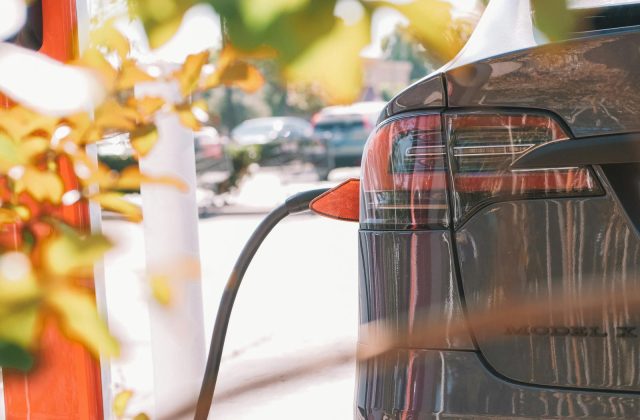
EV Charging at an Apartment Without a Private Garage
Most EV advice assumes you have a driveway and an electrician on speed dial. If you live in an apartment, none of that applies. The good news is that owning an EV…
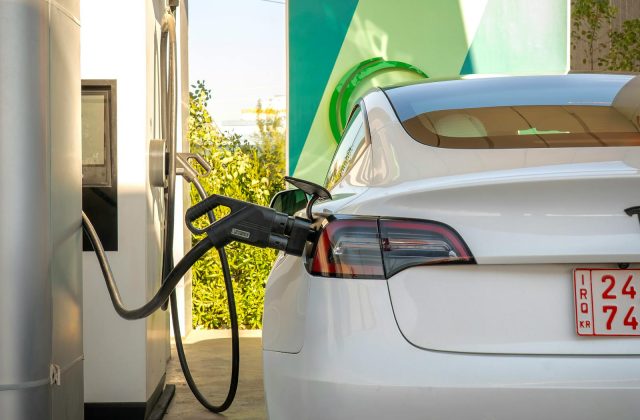
An Honest Budget for Going Electric, Without Surprises
A neighbor asked me last spring what going electric would actually cost, all in. She had read three glowing articles and one terrifying one, and she did not know which to believe.…
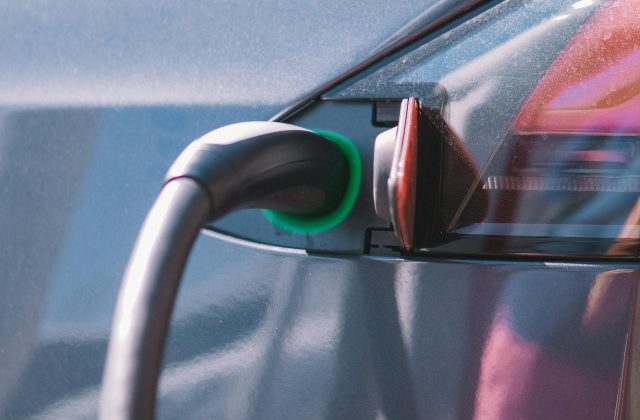
An Honest Look at Third-Party EV Charging Cables
Third-party charging cables can save money or quietly create real safety problems, and the difference is rarely obvious from a product page. This guide walks through what those cables actually are, which…