An Honest Look at Third-Party EV Charging Cables
Third-party charging cables can save money or quietly create real safety problems, and the difference is rarely obvious from a product page. This guide walks through what those cables actually are, which…

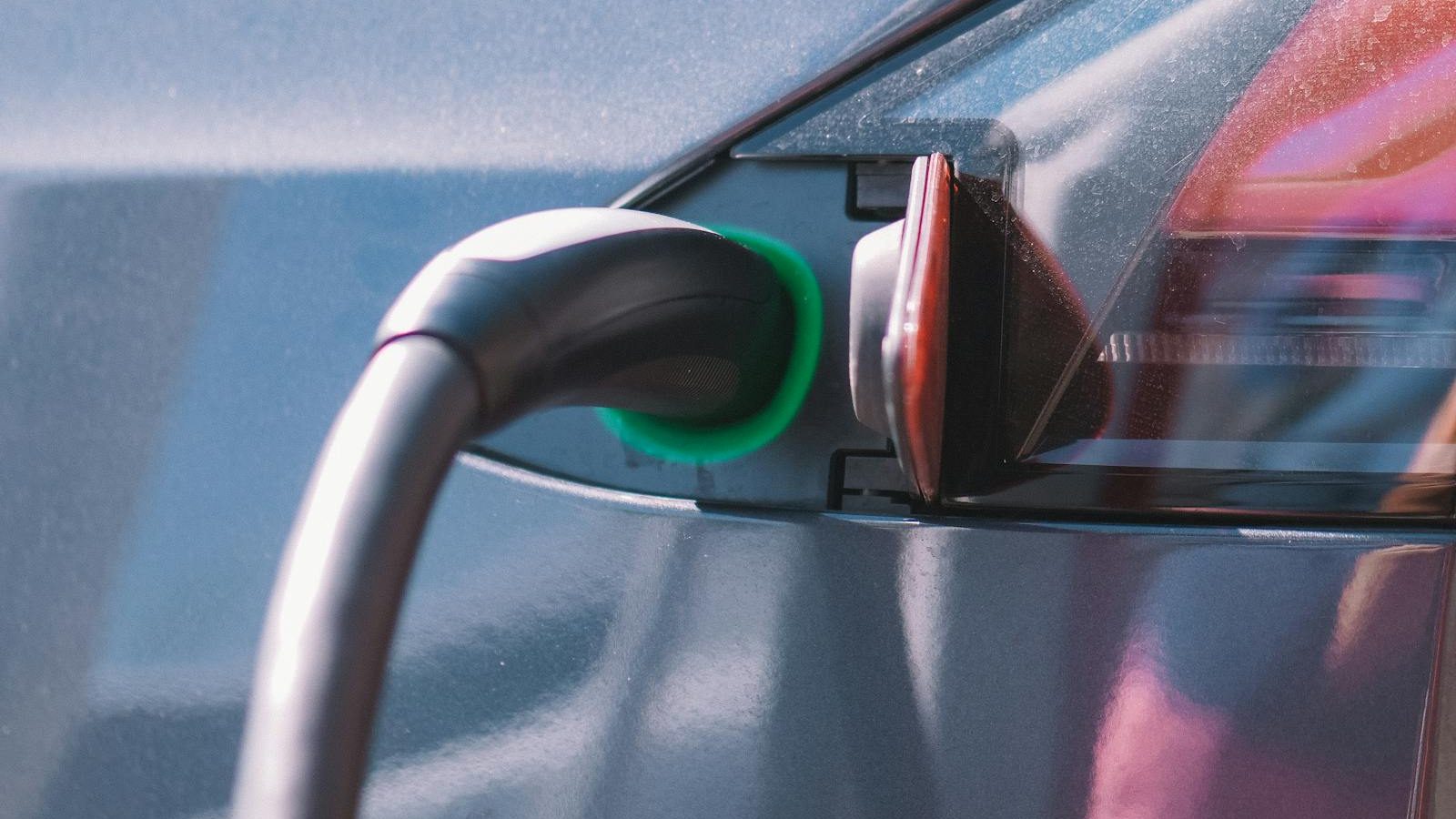
Third-party charging cables can save money or quietly create real safety problems, and the difference is rarely obvious from a product page. This guide walks through what those cables actually are, which certifications carry weight, what failure looks like in practice, and how to decide when a budget option is fine versus when paying more is genuinely worth it.
If you have spent any time looking at EV charging gear online, you have probably noticed something odd. The cable that came with your car (or the one your installer recommended) costs two or three times more than a similar-looking model from a brand you have never heard of. Same connector, same amp rating on paper, sometimes even nicer-looking packaging. So what gives?
The short answer is that the cable market is wide, lightly regulated in some regions, and the visible parts (plug shape, cable thickness, LED display) tell you very little about the parts that actually matter for safety. Let’s walk through what to look at, what to skip, and where the real risks live.
What “third-party” actually means here
When I say third-party, I mean any charging cable or portable EVSE (electric vehicle supply equipment) not made by the automaker that built your car, and not from the established charging-hardware companies your installer typically works with. These cables often come from direct-import storefronts, smaller regional brands, or rebadged factory-direct listings sold under several names at once.
That is not automatically bad. Plenty of capable manufacturers sell perfectly fine equipment this way. The challenge is that the same channel also carries products with overstated specs, missing certifications, or shortcuts in places you cannot see. Sorting one from the other is the job.
If you are still getting comfortable with how charging works in general, it helps to read how home EV charging actually works first, because the cable is only one part of the chain between your panel and your battery.
The certifications that actually matter
This is the single most useful filter when evaluating any EV charging cable. In North America, the names to look for are UL, ETL, and CSA. In Europe, look for CE plus a recognized national mark and TUV testing. These are independent labs that test the product against published safety standards, not marketing claims printed on the box.
A few things to know:
- “CE” alone is a self-declared mark in many cases. It is not the same as third-party tested.
- “UL listed” means the product itself was tested. “Components are UL recognized” usually means individual parts inside the cable were tested separately, which is weaker.
- The certification number on the label can typically be looked up directly on the testing lab’s public database. If the number does not resolve, that is a meaningful red flag.
- Marketing language like “meets UL standards” or “tested to UL specifications” is not the same as actually being listed.
If a cable will be plugged into your wall for hours at a time, carrying enough current to power a small home, this is the corner I would refuse to cut.
The amp rating reality vs the marketed claim
Here is where a lot of budget cables get loose with the truth. A listing might claim “40A fast charging” in the title, but the fine print or the actual hardware tells a different story. Common patterns include:
- A 40A rating that only applies in short bursts, not continuous draw.
- An adjustable cable that physically supports lower amps reliably but overheats at its top setting.
- A plug type (the wall side) rated for less current than the cable claims to deliver. The weakest link sets the real limit.
- A “Level 2” claim on a cable that is really an upgraded Level 1 with a different plug adapter, which can be misleading.
A useful sanity check: continuous charging current in most jurisdictions is rated at 80% of the circuit’s capacity. So a cable honestly rated for 40A continuous needs to be on a 50A circuit, with appropriate wiring and breaker. If a listing implies you can run 40A continuous on a standard household outlet, something does not add up. The piece on Level 1 vs Level 2 vs DC fast charging compared walks through these numbers in more detail.
Gauge, connectors, and the parts you can’t see
Two cables can look identical and behave very differently under load. The differences usually live in:
- Conductor gauge. Thicker copper carries current with less heat loss. A cable rated 32A on thin conductors will run hotter than a 32A cable on appropriately sized ones, even at the same draw.
- Conductor material. Pure copper conducts well. Copper-clad aluminum is cheaper, lighter, and runs hotter at the same current. It is sometimes used quietly in lower-cost cables.
- Plug body construction. The metal pins, the way they are crimped to the wire, and the plastic housing all matter. Poorly crimped connections become resistance points, and resistance becomes heat.
- Strain relief. The point where the cable enters the plug or the EVSE housing takes the most physical stress. Cheap strain relief leads to internal wire fatigue over months of coiling and uncoiling.
- Temperature monitoring. Better cables include a thermal sensor in the plug that throttles charging if the wall outlet heats up. This single feature has prevented a lot of fires.
What failure actually looks like
Charging cable failures rarely happen with a dramatic warning. The more common pattern goes something like this:
- The plug or the outlet starts running warm during charging. Most people do not notice because the cable is in the garage and they are asleep.
- Over weeks, the warmth becomes hot. The plastic around the prongs may start to discolor or smell faintly of melted plastic.
- Eventually a connection point partially melts, increasing resistance, which generates more heat. This is the classic runaway failure.
- The result ranges from a ruined outlet, to a tripped breaker, to (in worst cases) a fire that starts at the wall.
The cables most prone to this are the ones marketed at the highest amps for the lowest prices, used at their maximum rating on older household wiring, often without certified protection. The cables least prone are properly certified models used a step below their maximum rating, on a circuit sized for the job.
How to evaluate before buying
A short checklist that filters out most of the questionable options:
- Is the safety certification real and verifiable, not just claimed?
- Does the seller publish a clear continuous amp rating, not just a peak?
- Does the wall plug type match the circuit you actually have, with appropriate breaker and wire size?
- Does the cable include thermal monitoring in the plug?
- Is there a clear warranty, with a company that can actually be contacted if something goes wrong?
- Do user reports over six to twelve months mention heat, smell, or melting? Recent five-star reviews mean less than long-term ones.
If a product clears all six, it is probably reasonable regardless of price. If it fails two or more, the savings are not worth it.
When third-party is fine, and when to spend more
Third-party gear is genuinely fine for:
- Occasional travel cables used at Level 1 speeds from a standard outlet, where the current draw is low.
- Backup cables kept in the trunk for emergencies, used infrequently.
- Adapter sets for switching between regional plug types, as long as they are properly rated and certified.
It is worth spending more (or sticking with established brands) for:
- The primary cable you use at home every night at Level 2 speeds.
- Any installation that will be hardwired into your electrical panel.
- Higher-amp setups (40A and above), where the consequences of a bad connection scale up.
- Outdoor installations exposed to weather, where sealing and materials matter more.
One of the patterns I see in the article on five mistakes new EV owners make in year one is people saving a few hundred dollars on the cable, then spending much more replacing a damaged outlet or, worse, dealing with insurance after an incident. The math rarely favors the cheapest option for daily-driver hardware.
None of this means you need to buy the most expensive cable on the market. It means the questions worth asking are about certification, honest specs, and build quality, not about the brand name on the box. A modest, certified, properly sized cable from a smaller maker can serve you well for years. A flashy, uncertified, overrated cable from anywhere can quietly become a problem the first time it is used near its limits.
Frequently asked questions
Can I use the cable that came with my car as my main home charger?
For many owners, yes, especially if your daily mileage is modest. The included cable is usually a Level 1 model designed for a standard household outlet, which adds roughly three to five miles of range per hour depending on the vehicle. If you drive longer distances daily or want faster overnight charging, a Level 2 setup will save time, but the included cable is a safe and tested starting point.
How can I tell if my charging cable is running too hot?
Touch the wall plug and the connector that goes into the car about an hour into a charging session. Warm is normal, especially in summer. Hot enough that you cannot hold your hand on it comfortably is not. Any discoloration around the prongs, melted plastic smell, or visible scorch marks means stop charging immediately and have the outlet, breaker, and cable inspected before using it again.
Are adjustable amp cables safe?
Adjustable cables can be very useful, since they let you match the draw to whatever outlet you have available. The safety question is whether the cable is honestly rated at its highest setting and whether the outlet you plug into is genuinely capable of supplying that current continuously. A well-built adjustable cable on an appropriate circuit is fine. The same cable maxed out on an undersized outlet is the most common failure setup.
Is a hardwired charger really safer than a plug-in one?
In general, yes. Plug-in connections introduce two more contact points (the plug pins and the outlet receptacle) that can loosen, corrode, or overheat over years of use. A hardwired install removes those points and connects the charger directly to your circuit. For high-amp daily charging, this is the more durable choice. For occasional or travel use, a plug-in cable on a quality outlet is reasonable.
What does a missing safety certification actually mean in practice?
It means no independent lab has tested the product against published safety standards. The cable may still be fine, or it may have shortcuts in materials, construction, or protection circuits that you cannot see from outside. Insurance policies sometimes exclude damage caused by uncertified electrical equipment, which is worth checking before betting your garage on a savings of fifty or a hundred dollars.
How long should a good charging cable last?
A properly certified cable used within its ratings should last roughly five to ten years of daily use, sometimes longer. The most common wear points are the strain relief where the cable enters the connector, and the plug pins themselves. Inspect both occasionally for cracks, looseness, or discoloration. If anything looks off, replace the cable rather than waiting to see if it gets worse.
Read next in EV & Battery Basics
If this guide was useful, these two neighbouring pieces will fill in the surrounding context:
Sources and further reading
For the underlying data behind the numbers in this guide, and for the standards, incentive programs, and safety rules referenced throughout, see:
Related guides

A Realistic Budget for a Home Battery Backup System
A reader in Georgia recently asked me what a "real" home battery budget looks like once you stop reading press releases and start reading quotes. The short version is somewhere between $8,000…
Electric Vehicles Explained for First-Time Buyers
A friend asked me last fall if she should "finally get one of those electric cars," and then admitted she was not totally sure what made a car electric in the first…

The EV Tax Credit Explained in Plain English (2026 Rules)
A friend texted me a screenshot of a Chevy Equinox EV window sticker last month with one question: "Do I actually get the $7,500 off this, or is that just a headline?"…